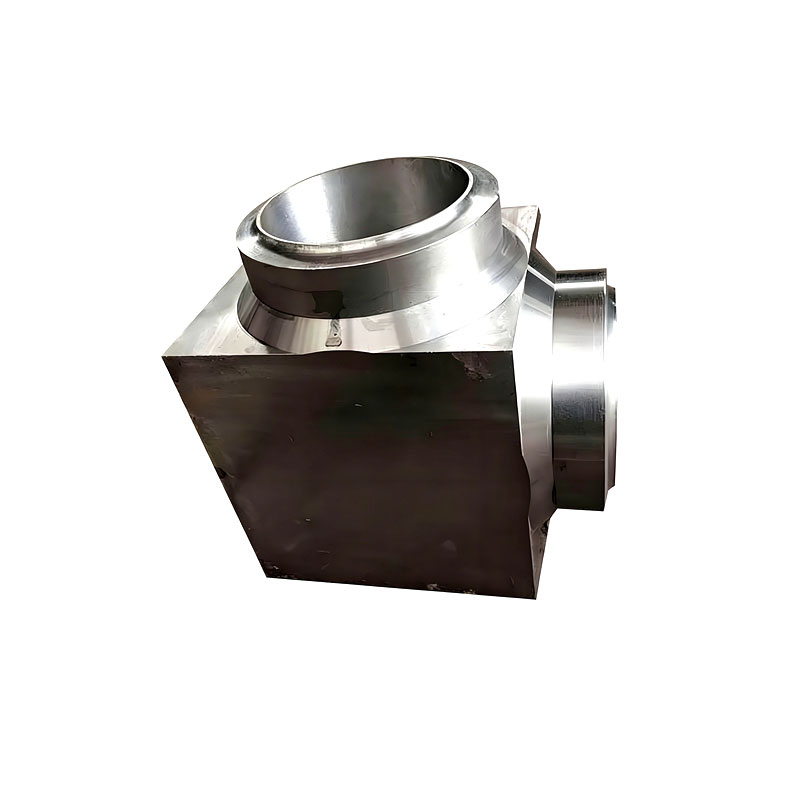
1、 Product Features
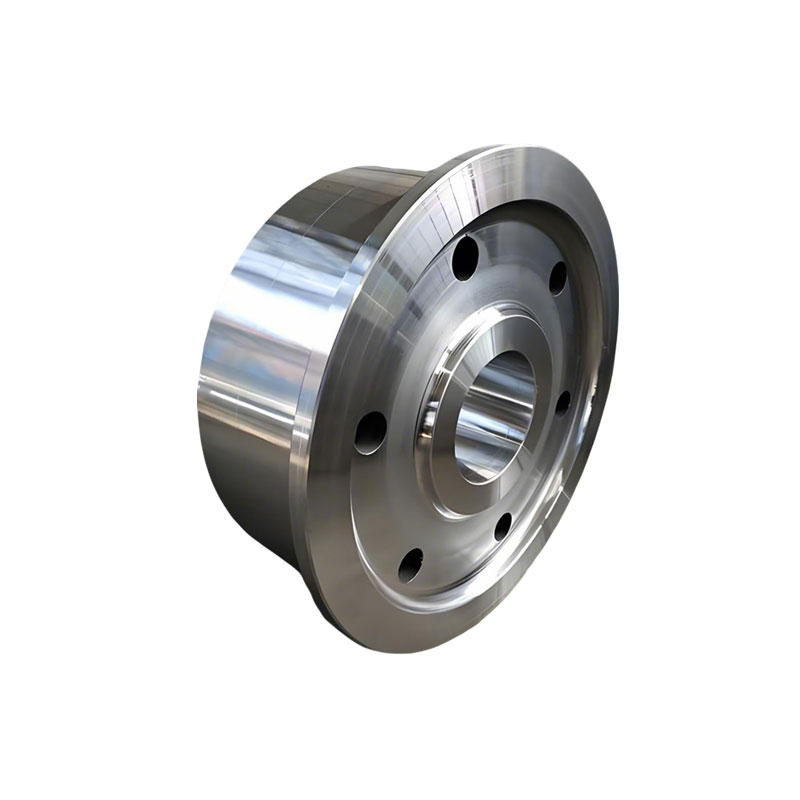
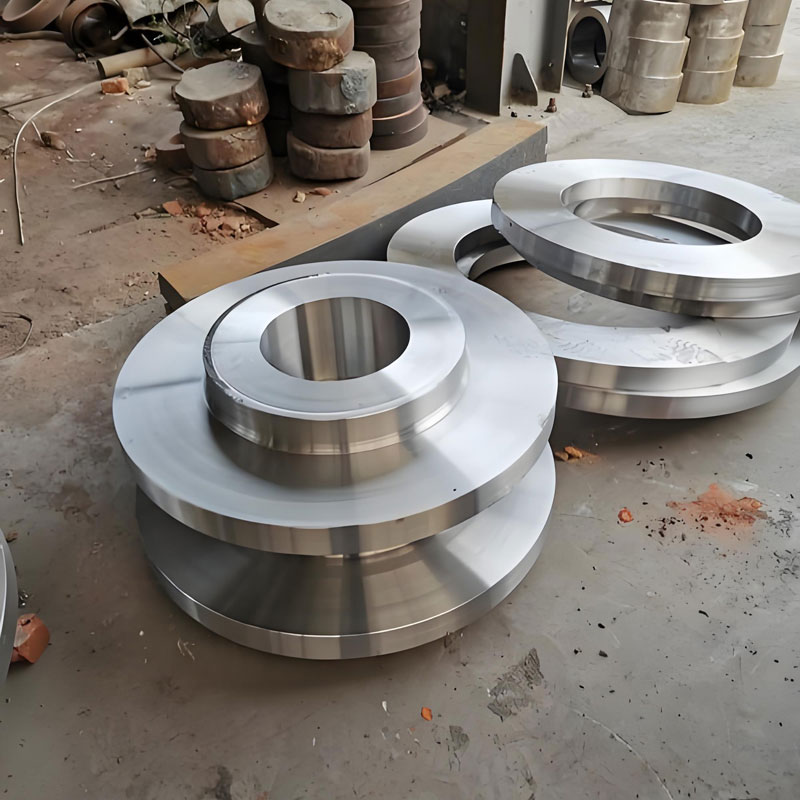
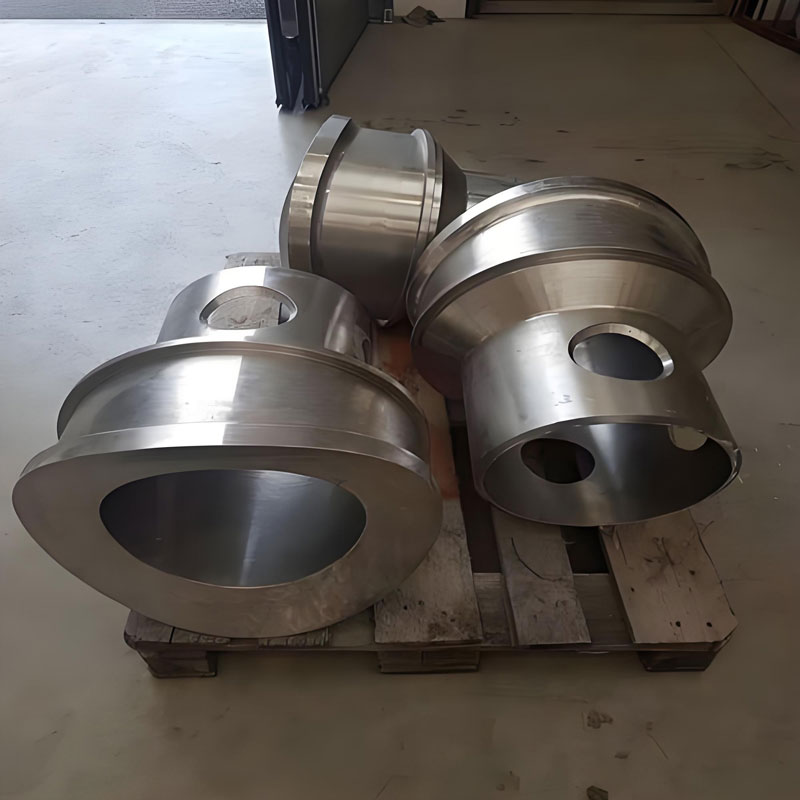
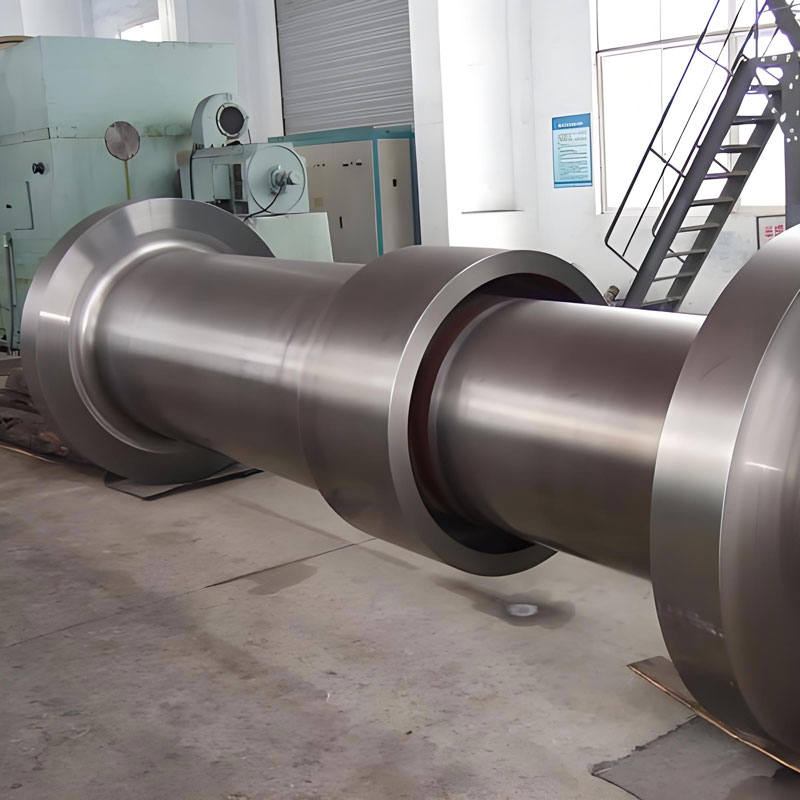
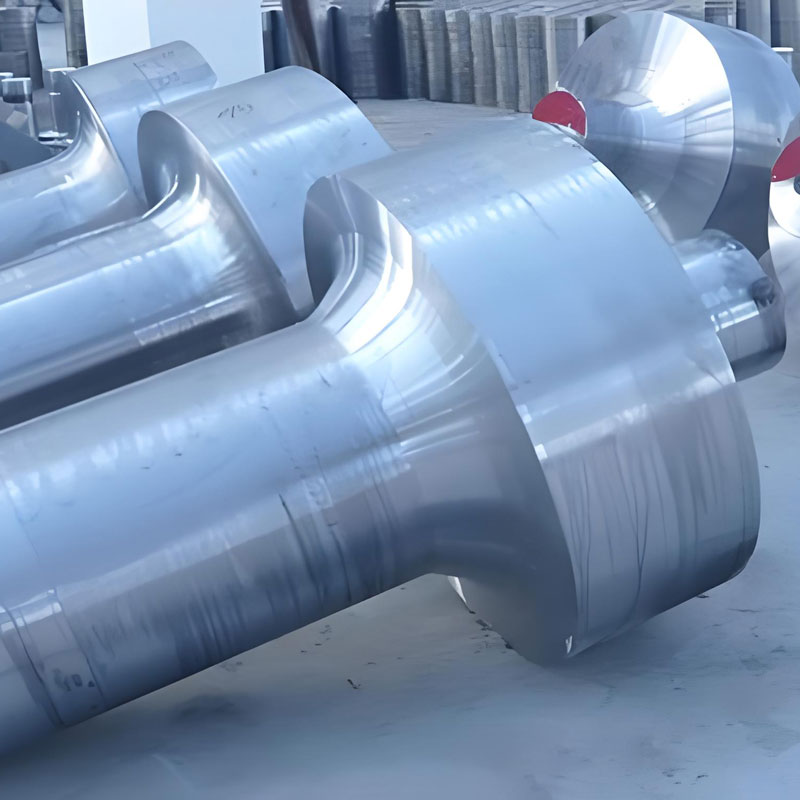
Customized shaped forgings are non-standard shaped forgings designed and manufactured according to specific customer needs. Compared to standard forgings, they have significant personalized and performance advantages:
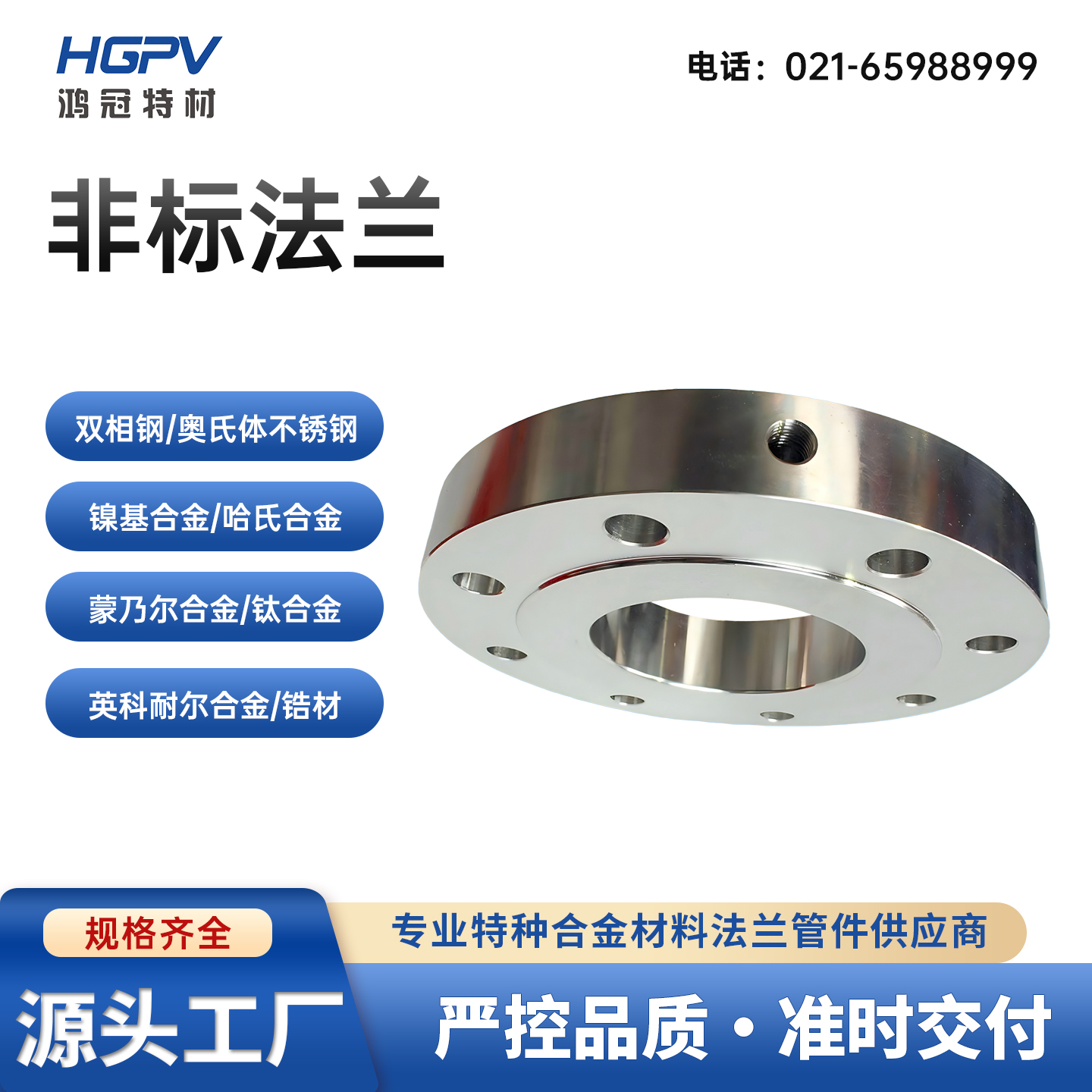
Strong structural adaptability: completely customized according to the assembly requirements of downstream products, it can achieve special forms such as complex surfaces, multi-dimensional bending, irregular hole positions, thin-walled structures, etc., such as irregular support parts of aircraft fuselage skeleton, irregular transmission components of engines, etc. It can accurately match the spatial layout and functional requirements of equipment, avoiding secondary processing waste during standard part adaptation.
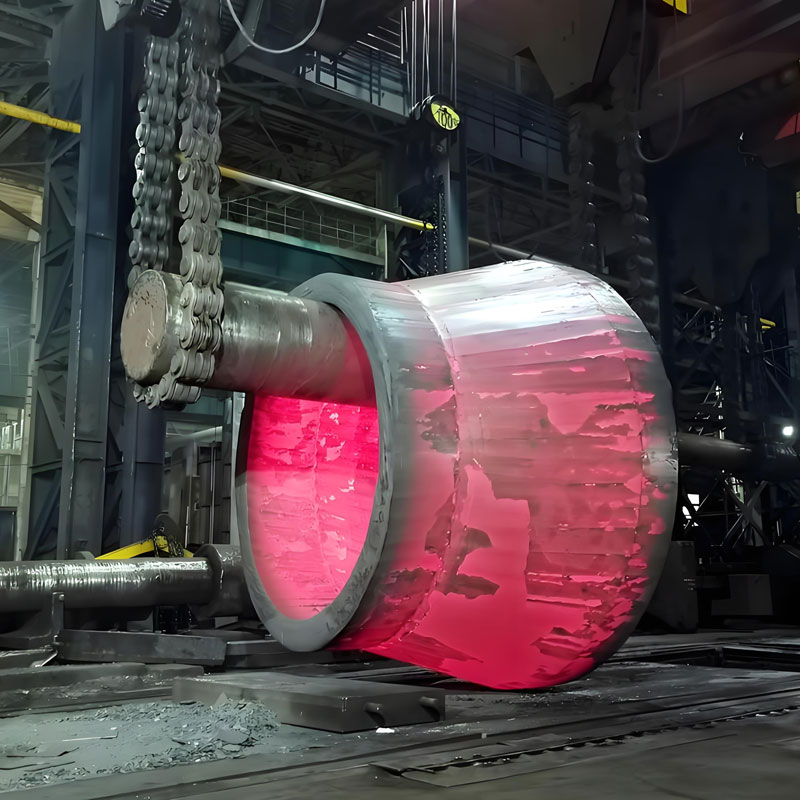
Better mechanical properties: Through fast forging or die forging processes with a forging ratio of ≥ 4:1, the metal grains are refined, the streamline is complete and continuous, and defects such as porosity and slag inclusion in the as cast structure are completely eliminated. The grain size can reach level 6 or above. Taking 42CrMo material irregular forgings as an example, the tensile strength is ≥ 1080 MPa, the yield strength is ≥ 930 MPa, and the impact toughness is increased by more than 30% compared to castings. It performs better in terms of load-bearing and fatigue resistance.
Function oriented and precise: The design and processing are focused on specific functions throughout the entire process. For example, for corrosion-resistant special-shaped parts in marine environments, duplex stainless steel materials will be selected and surface treatment processes will be optimized; For components under high-temperature conditions, nickel based high-temperature alloys will be used and their high-temperature strength will be enhanced through isothermal forging to ensure stable performance under extreme conditions.
Customized full process coverage: supports full chain customization from raw material selection, process design to finished product delivery. The raw materials can be selected from various materials such as carbon steel, alloy steel, stainless steel, titanium alloy, etc. The forging process can be freely forged, die forged, isothermal forging, etc. according to the complexity, and one-stop services such as heat treatment, surface treatment, and precision machining can be provided to meet customers' "turnkey" needs.
High quality controllability: Multiple quality inspection methods are used in the production process, including ultrasonic testing, magnetic particle testing, penetrant testing, etc., to strictly control internal defects; The dimensional accuracy is guaranteed by CNC machining equipment, and the form and position tolerances can be controlled at the micrometer level to ensure that each product meets the design requirements.
2、 Execution standards
The standard system for customized shaped forgings is both universal and targeted, mainly divided into the following categories:
Basic general standards: The dimensional and external tolerances refer to GB/T 908-2019 "Dimensions, Shape, Weight and Allowable Deviation of Forged Steel Bars", and non-destructive testing follows national standards such as GB/T 6402 "Ultrasonic Testing Method and Quality Rating for Forged Steel Parts" and GB/T 9443 "Penetrant Testing for Cast Steel Parts" to ensure the basic quality baseline.
Material specific standards: Different materials follow corresponding industry standards, such as GB/T 3077 "Alloy Structural Steel" for carbon steel forgings, ASTM A182, JB4728-2000 and other standards for stainless steel forgings, and YS/T 1532-2022 "Metal Injection Molding of Titanium and Titanium Alloy Irregular Parts" for titanium alloy forgings, which provide clear regulations on chemical composition and mechanical properties.
Industry specific standards: There are stricter regulations for specific application areas, such as the requirement for irregular forgings in the aerospace industry to comply with national military standards (GJB), with the strictest controls implemented on smelting purity, forging ratio, and heat treatment system; In the field of nuclear power, international standards such as RCC-M and ASME are followed to ensure high reliability and traceability of products.
Enterprise customized standards: For special requirements without universal standards, enterprises can jointly develop technical agreements with customers to clarify personalized requirements such as product size tolerances, mechanical properties, testing methods, etc., as the basis for production and acceptance.
3、 Size specifications
The size range of customized shaped forgings is flexible and can cover various needs from micro to giant:
Micro shaped forgings: The minimum size can reach several millimeters, such as shaped transmission pins in precision instruments and implanted components in medical devices. These products require extremely high precision, with dimensional tolerances controlled within ± 0.01mm. They are usually manufactured using forging or metal injection molding (MIM) processes.
Small and medium-sized special-shaped forgings: with side lengths or diameters ranging from 50mm to 500mm, they are widely used in fields such as automobiles and engineering machinery, such as special-shaped gears, connecting rods, brackets, etc. They can be produced through free forging or die forging processes, and the length can be customized according to demand, with a maximum length of up to 6 meters.
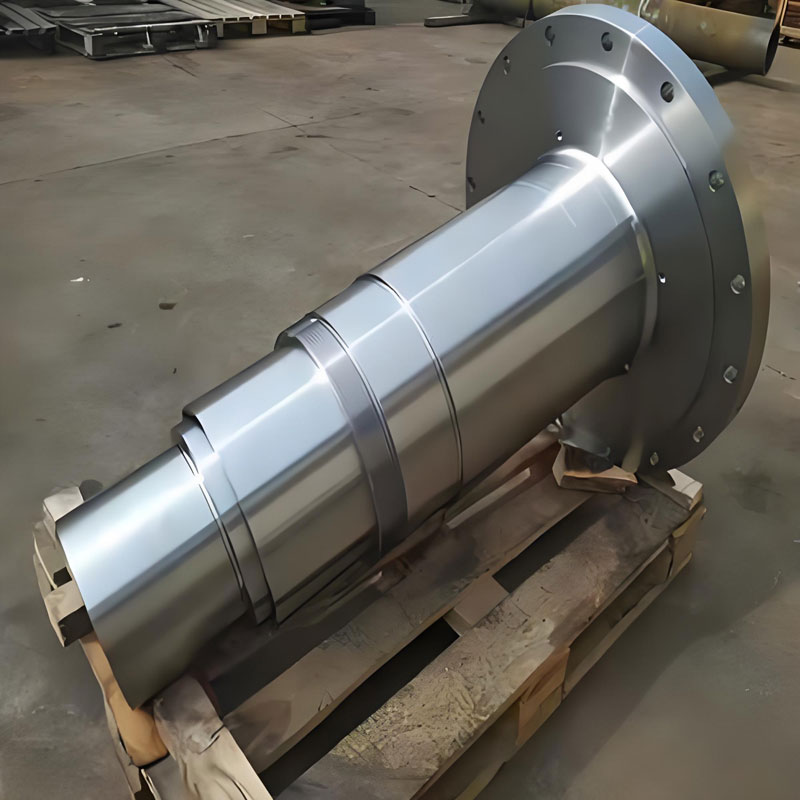
Large shaped forgings: The maximum size can reach several meters, such as the shaped main shaft of wind power equipment and the propulsion motor shaft forgings of ships, weighing up to hundreds of tons. These products need to be manufactured using large fast forging equipment, with dimensional tolerances controlled within ± 5mm, and some key parts require subsequent precision machining to improve accuracy.
Special structural specifications: structures with complex hole systems, steps, and curved surfaces can be customized. For example, the wall thickness of thin-walled shaped parts can be as thin as 3mm, and the positional tolerance of shaped holes is controlled within ± 0.1mm, meeting the precision assembly requirements of high-end equipment.
Customized shaped forgings, with their highly personalized design, excellent mechanical properties, and wide adaptability, have become core components in high-end fields such as aerospace, automotive manufacturing, energy and power, and ocean engineering, providing key support for innovative design of complex equipment.