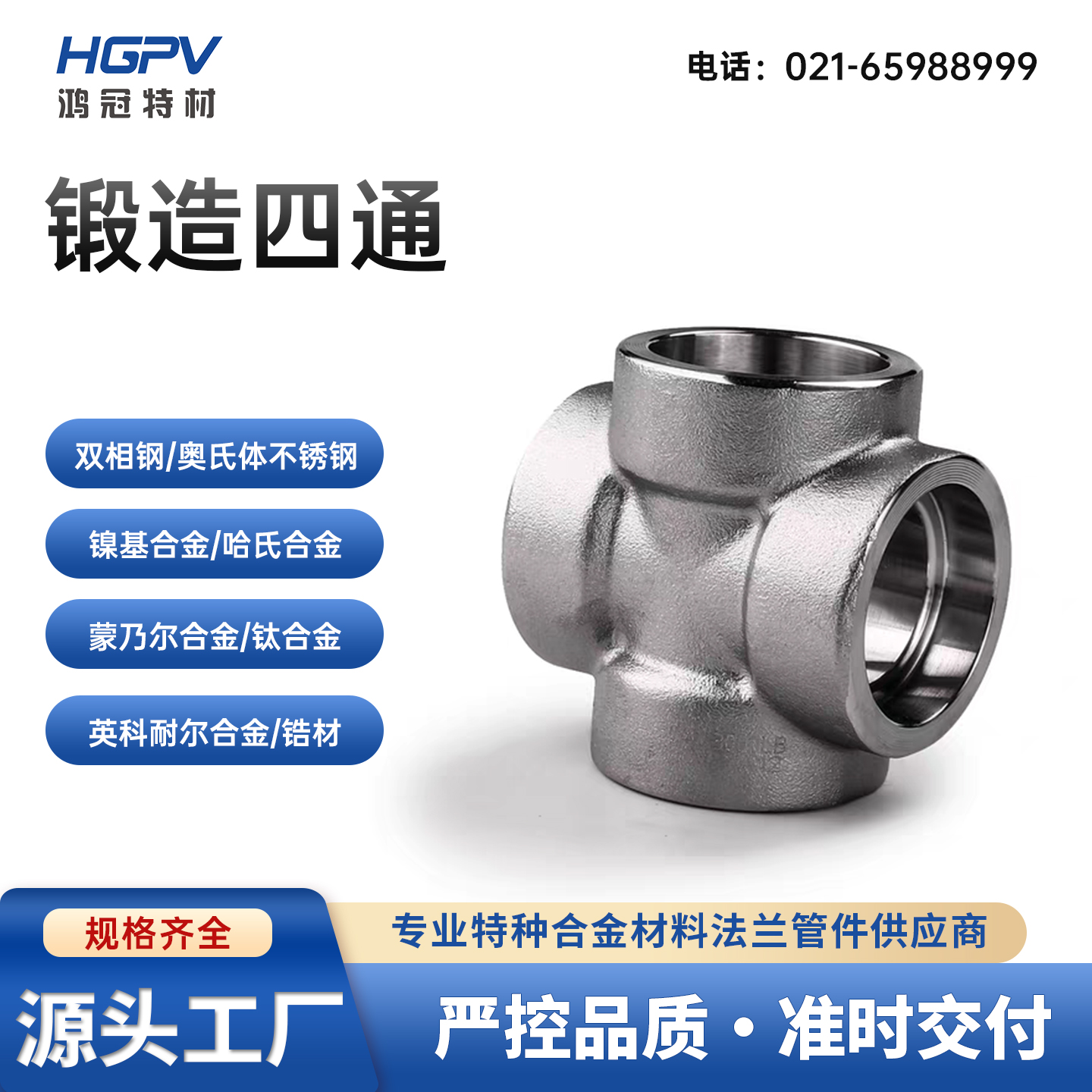
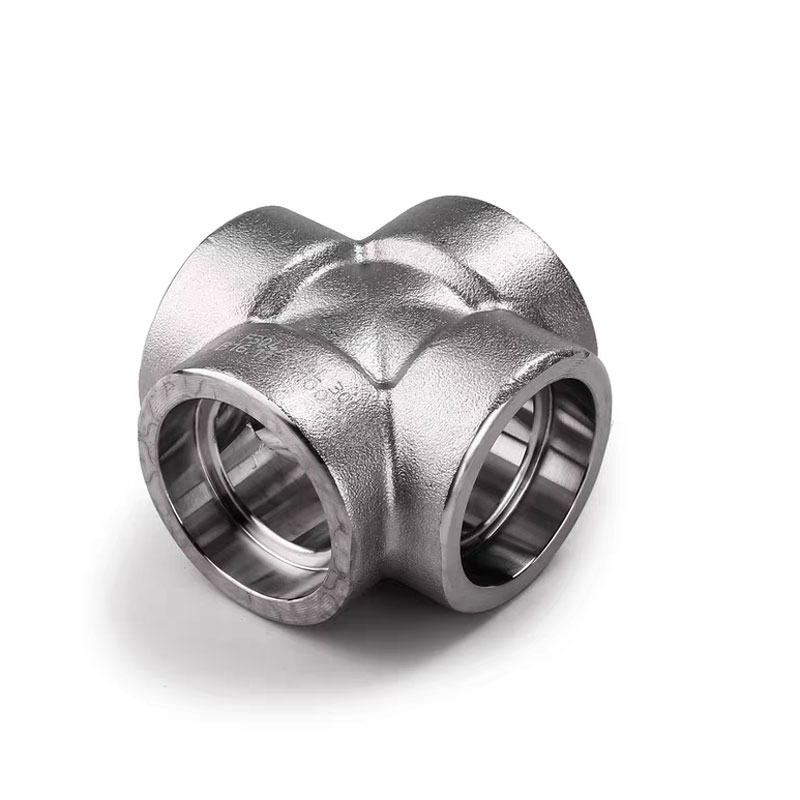
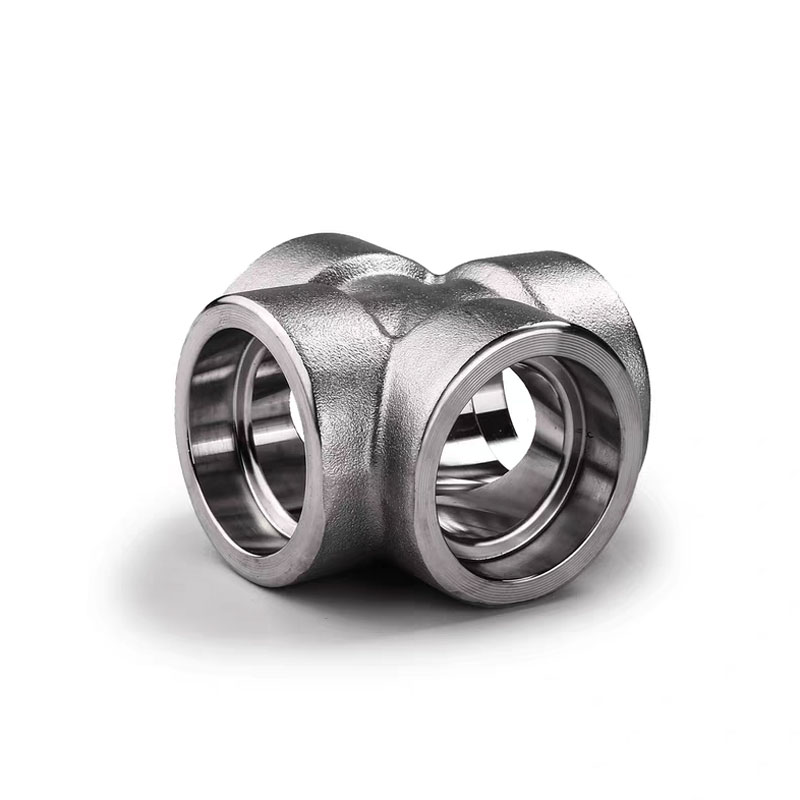
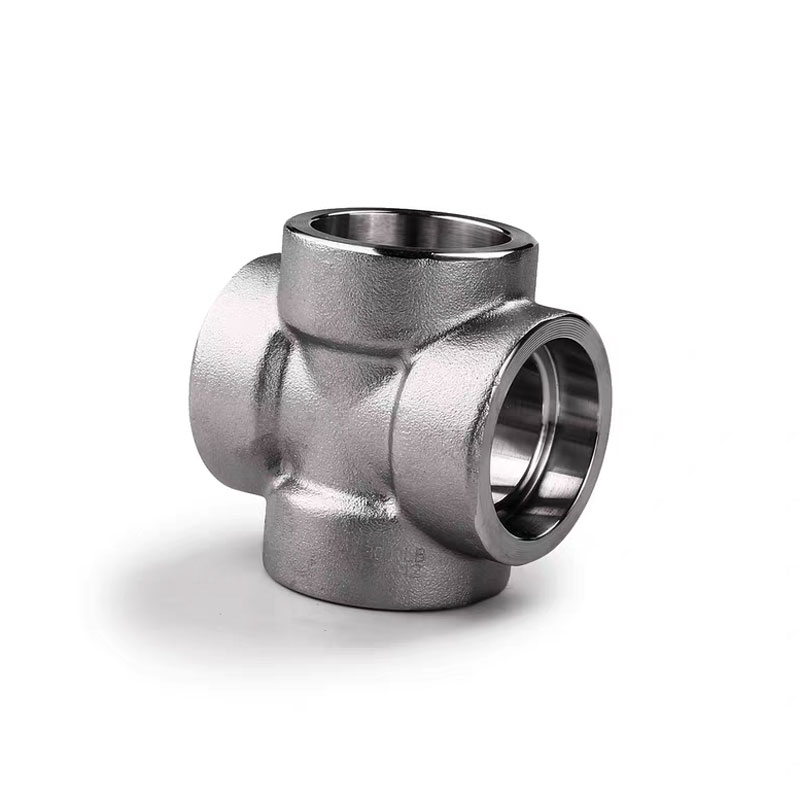
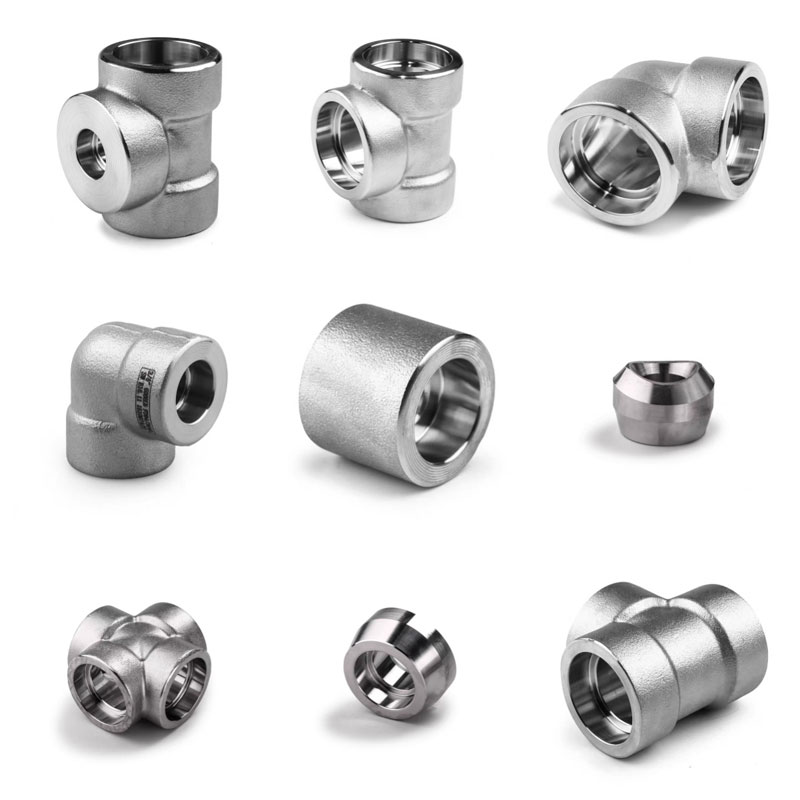
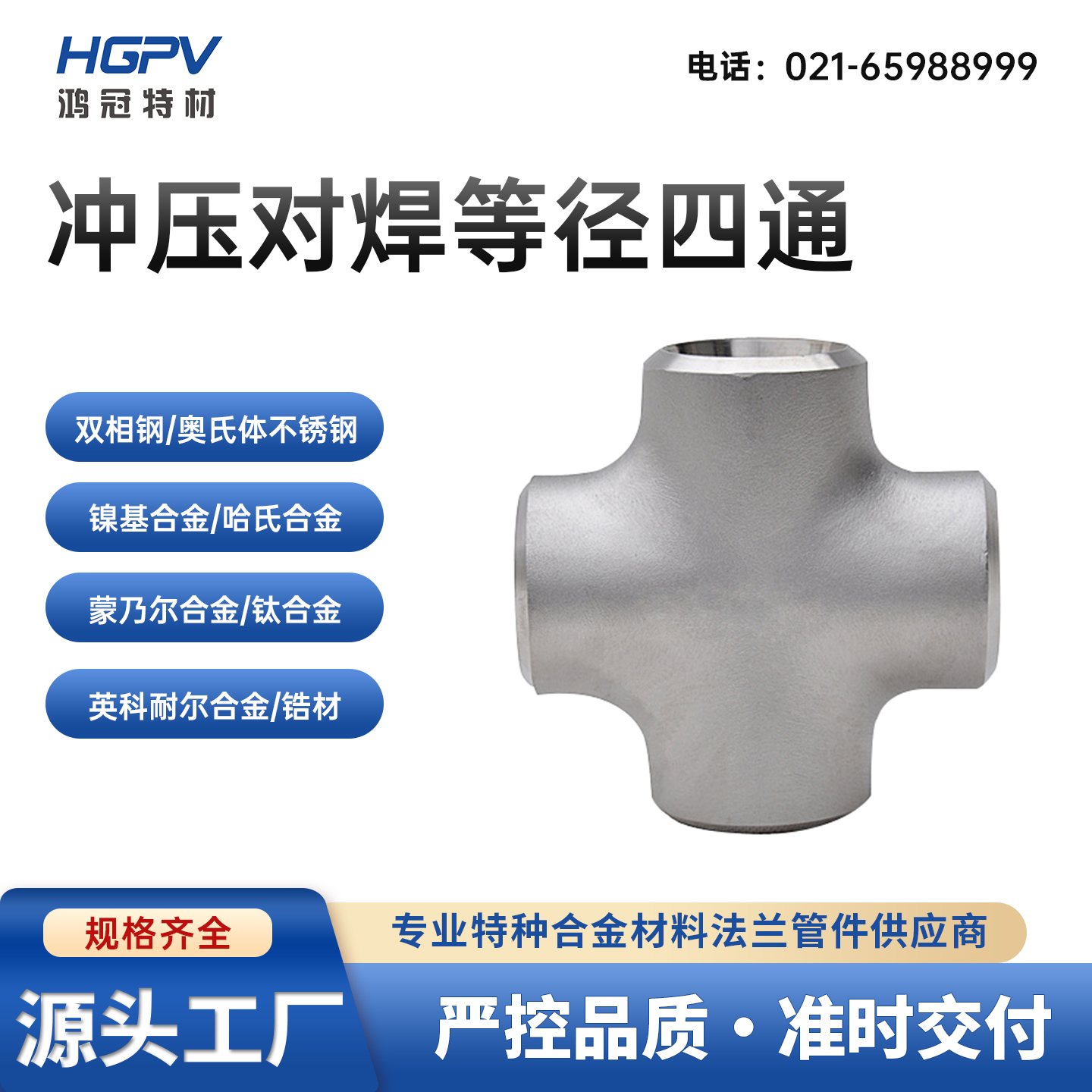
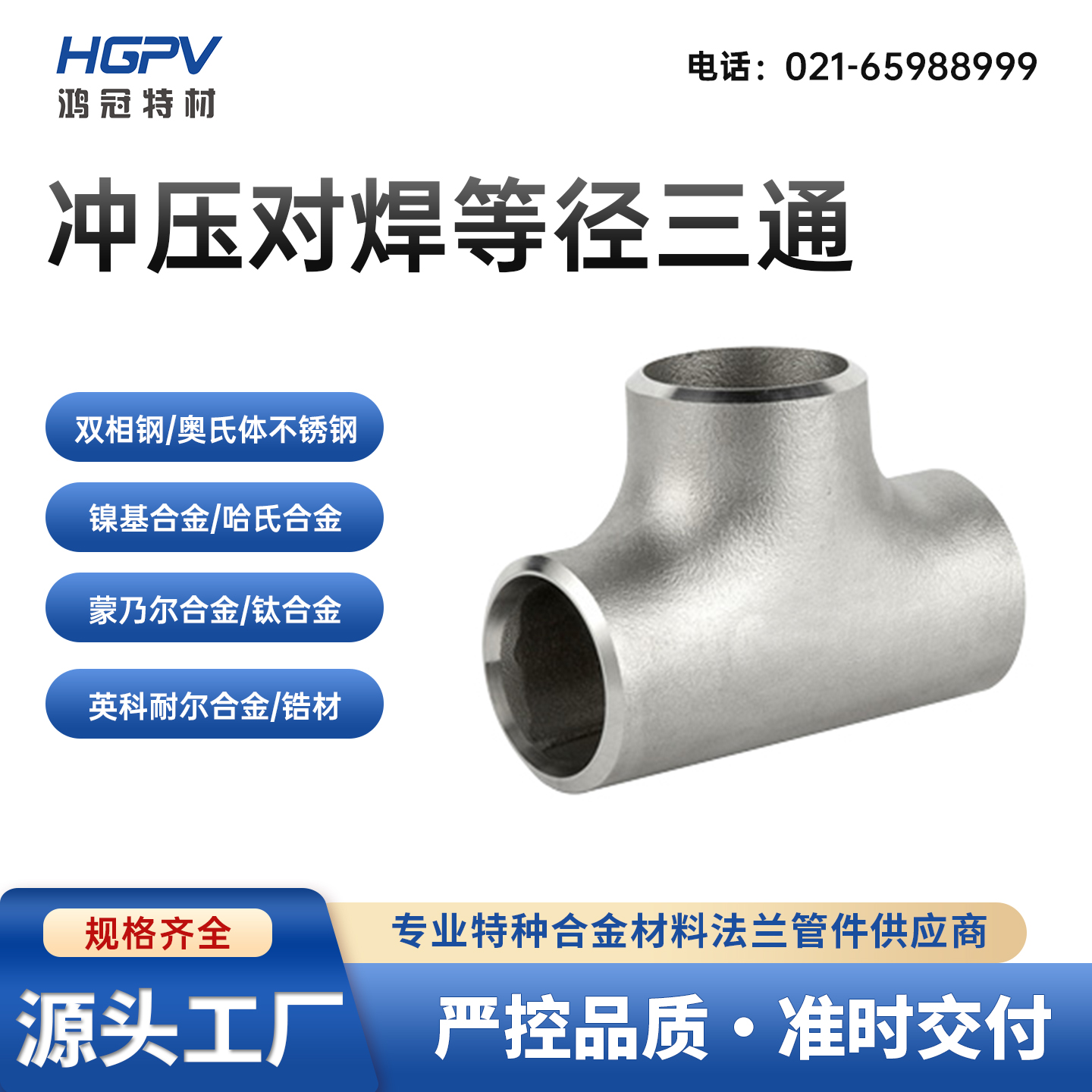
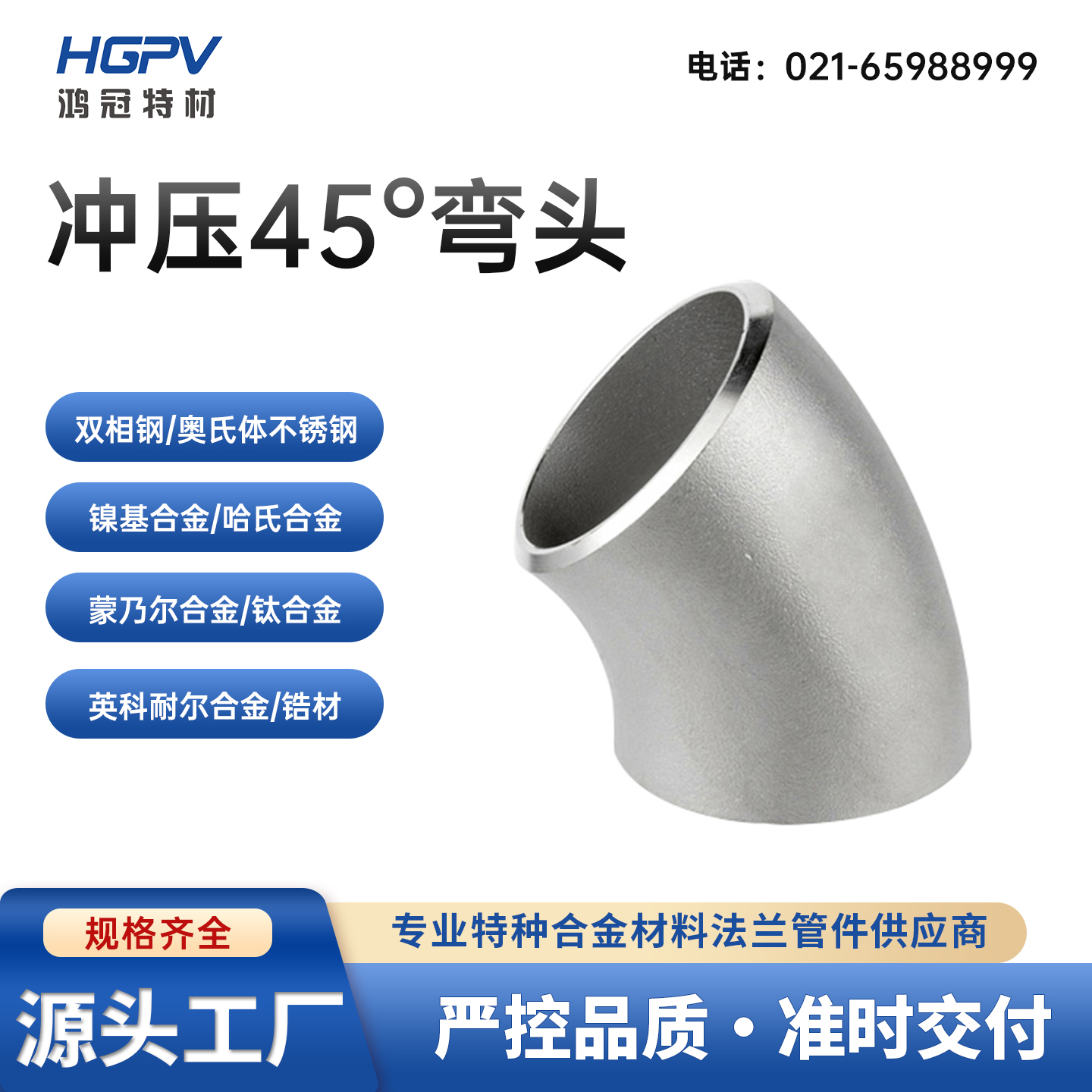
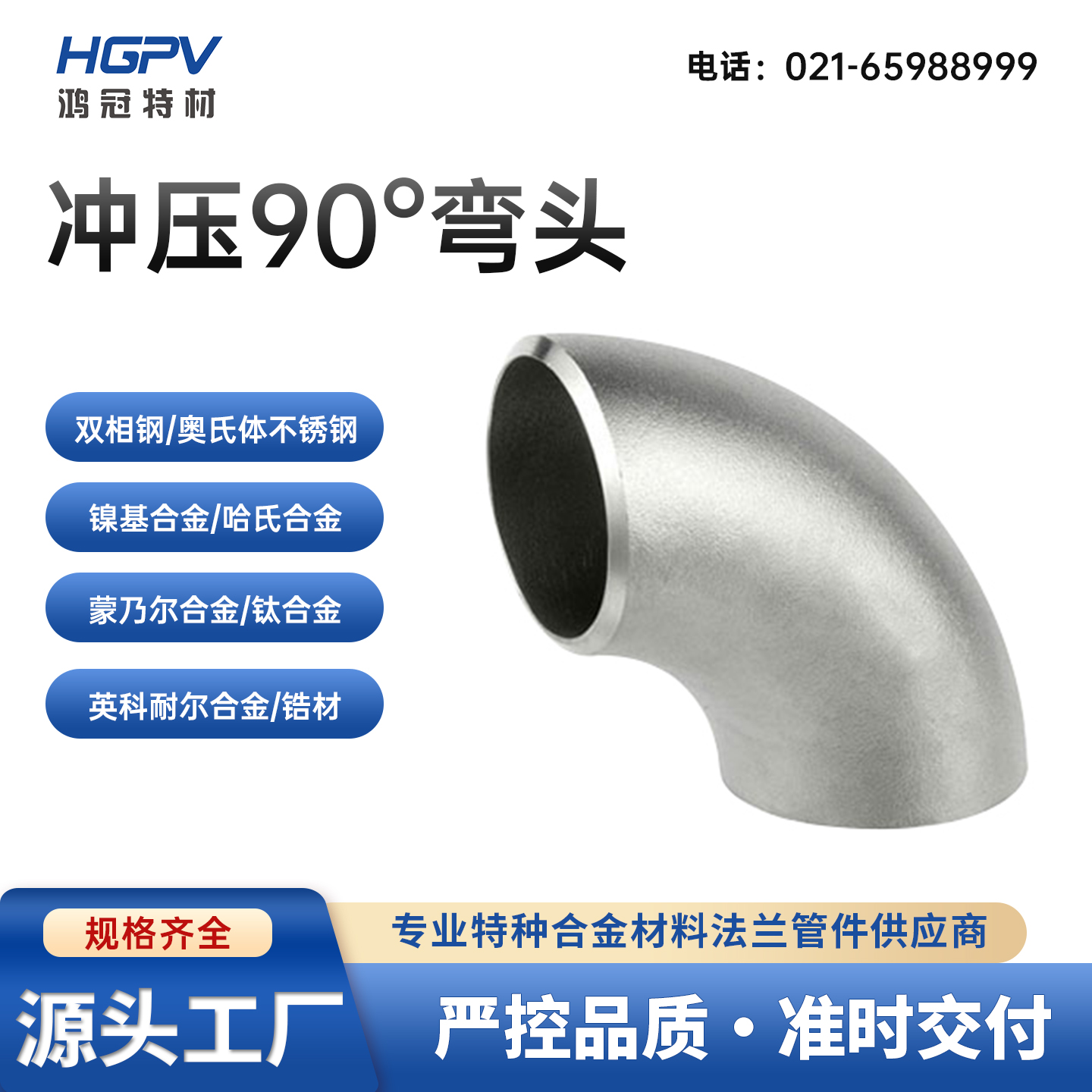
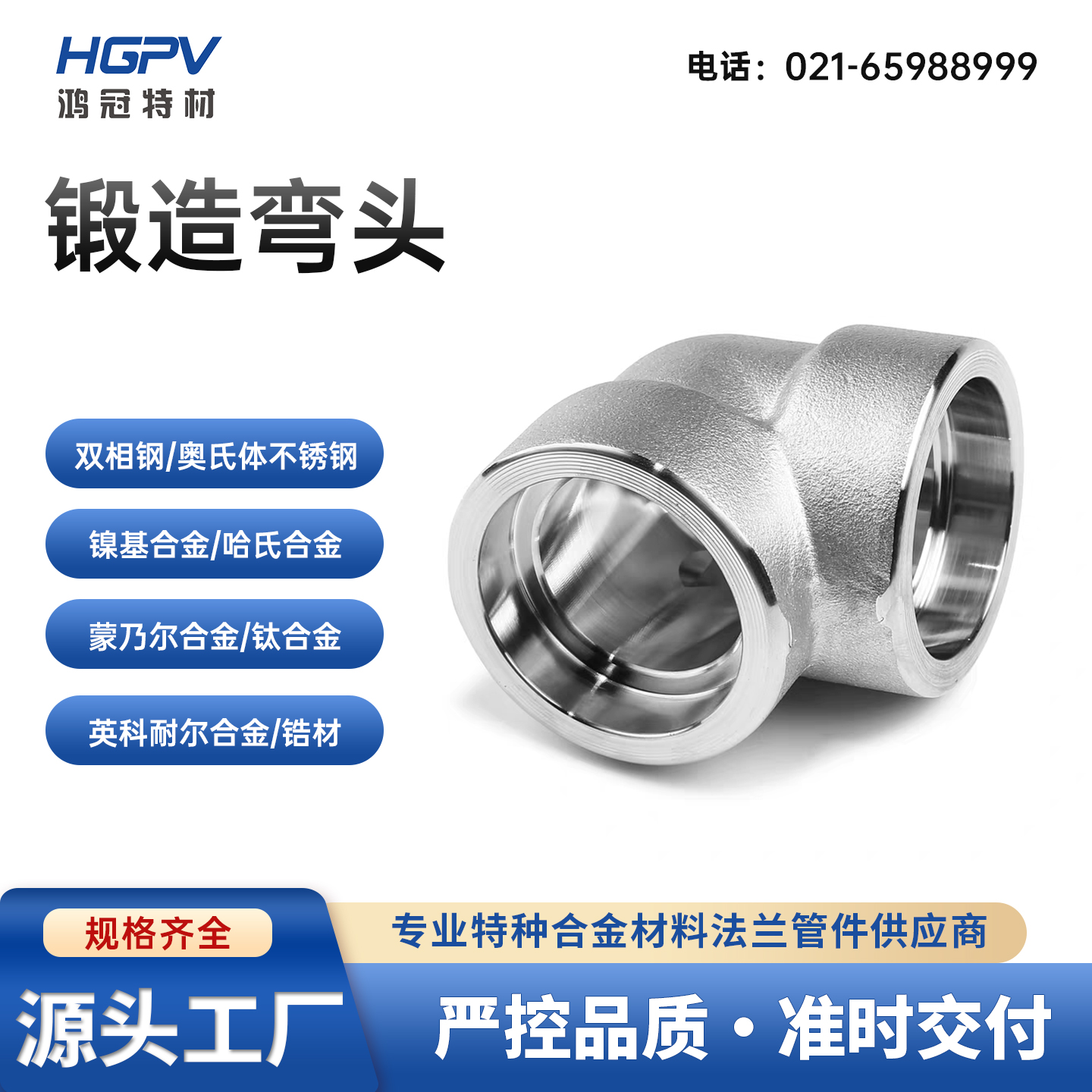
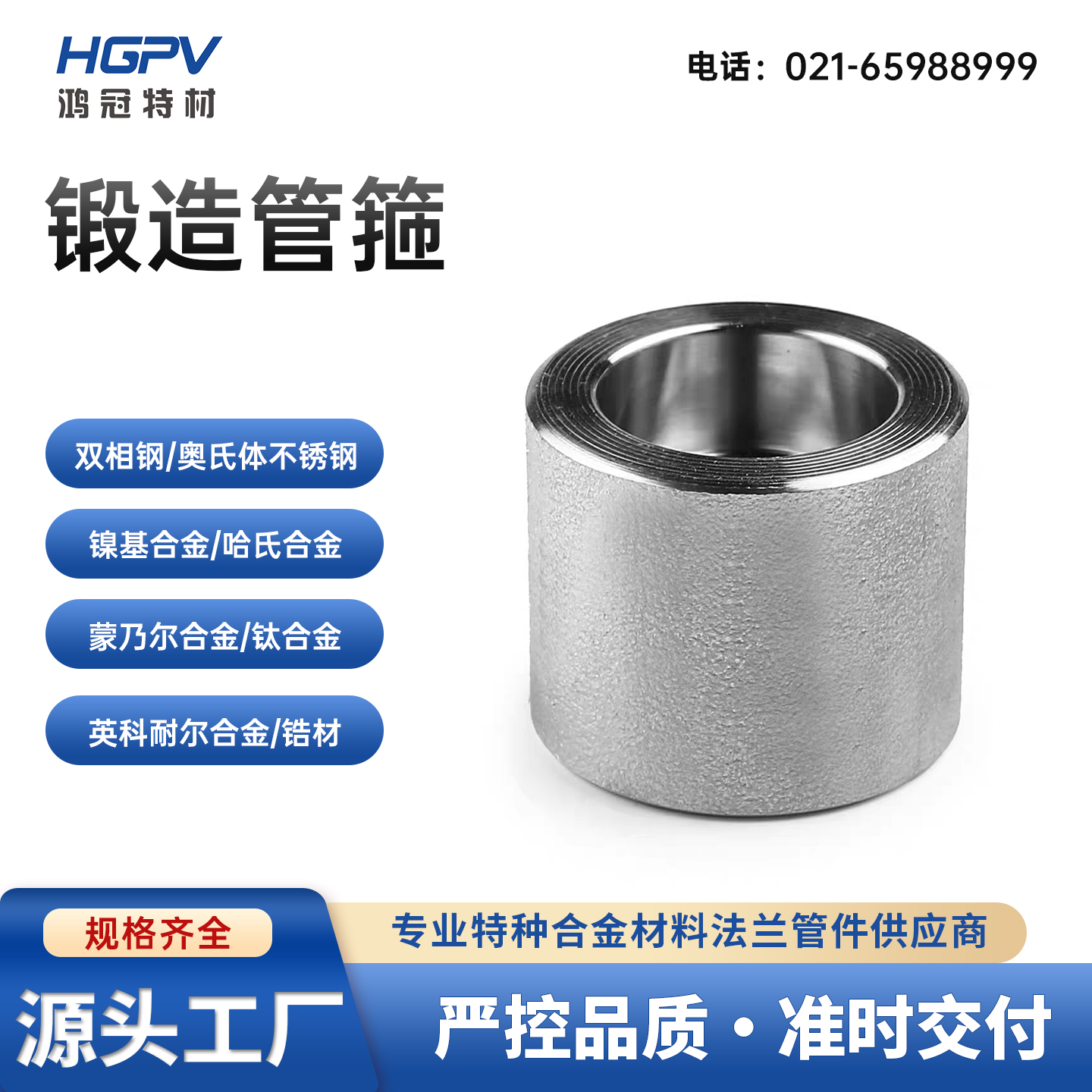
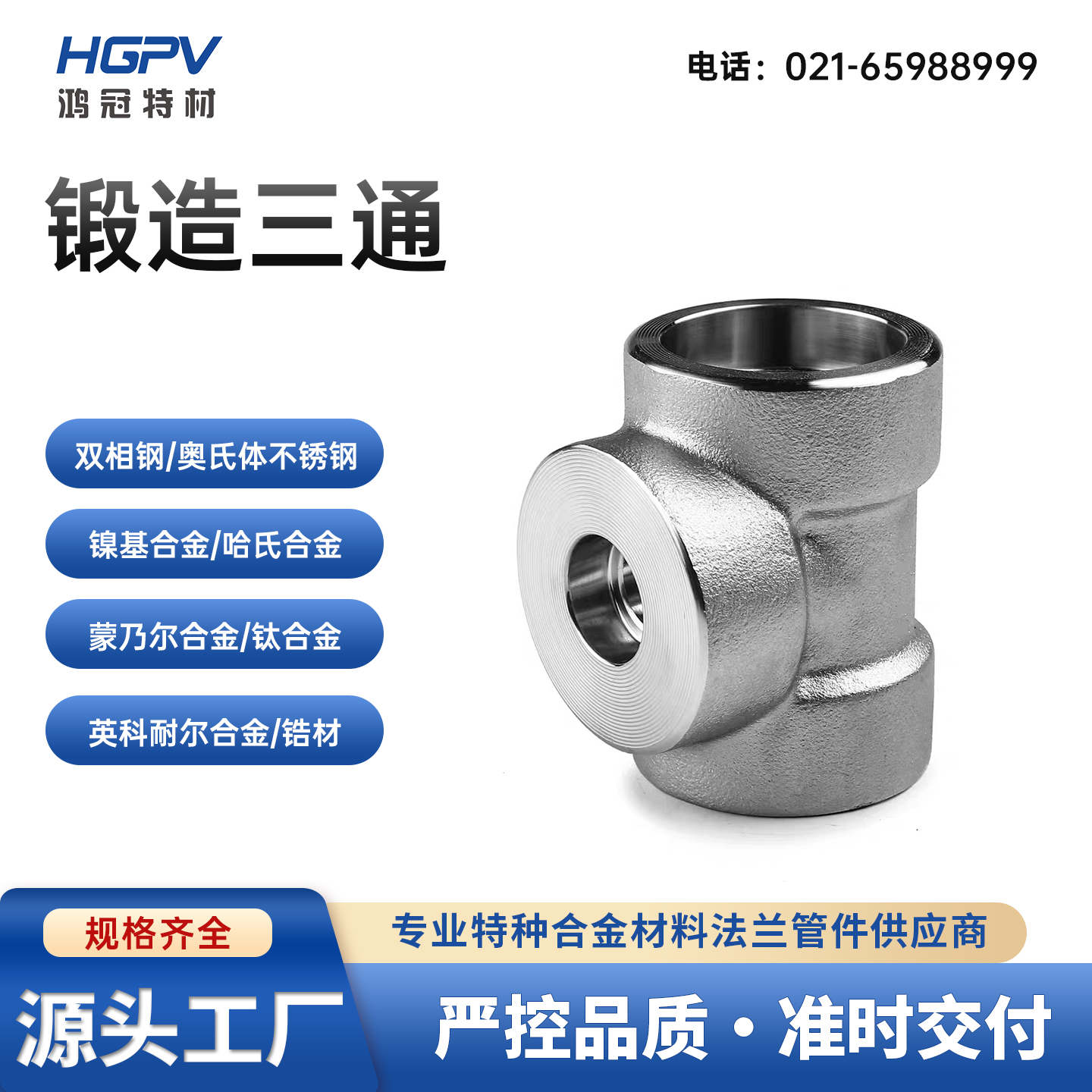
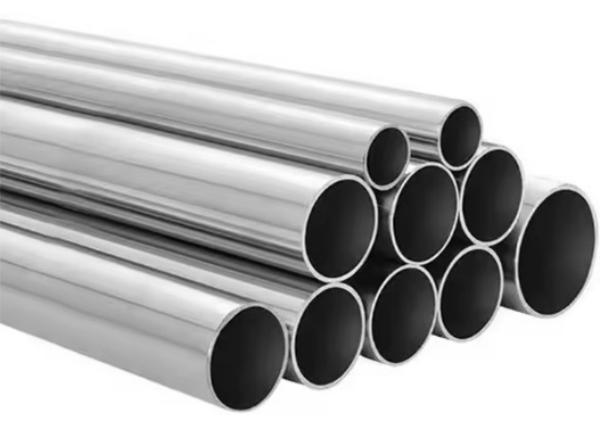
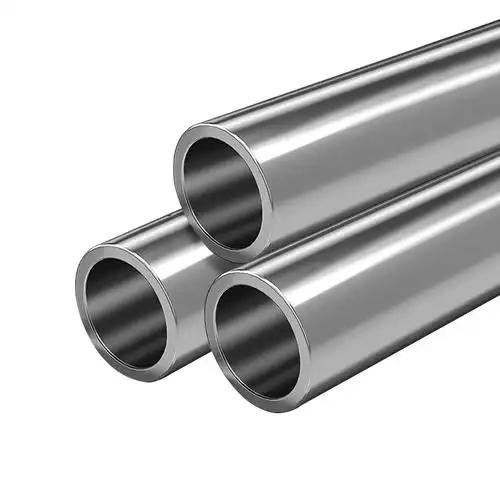
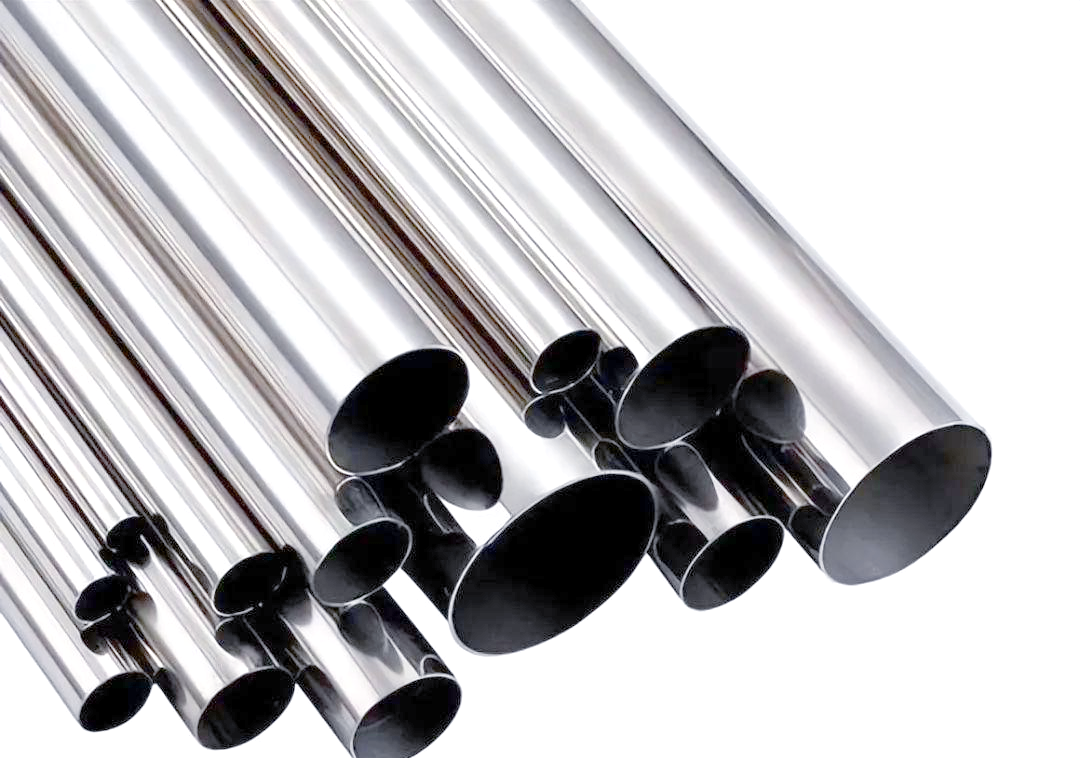
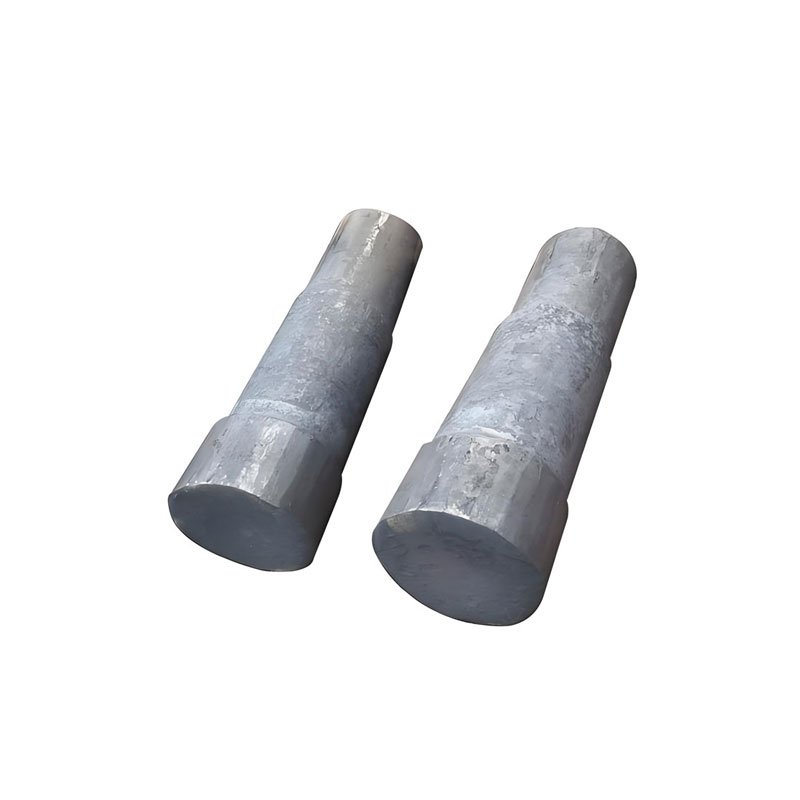
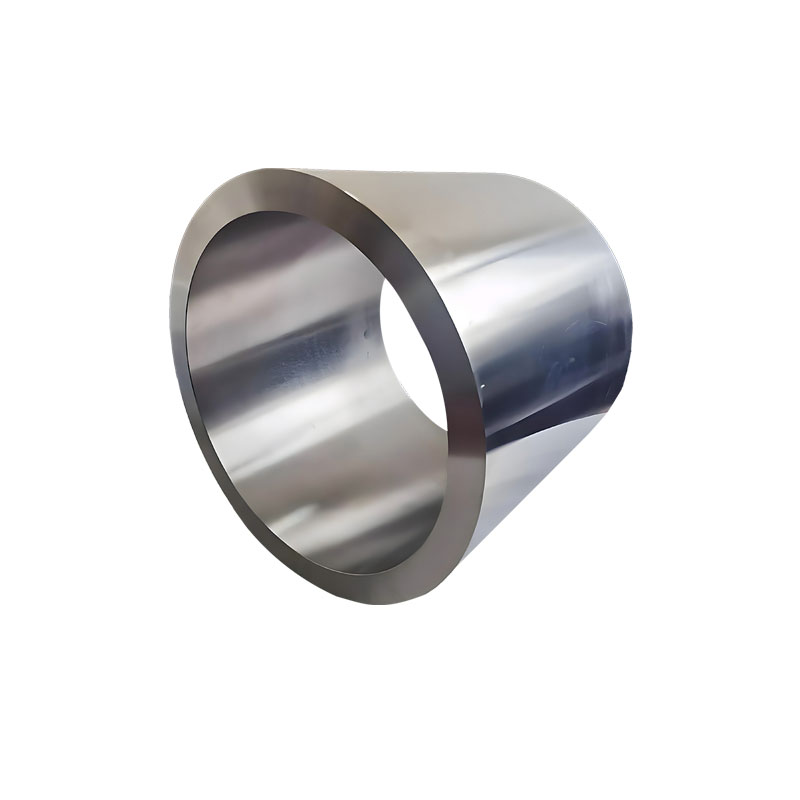
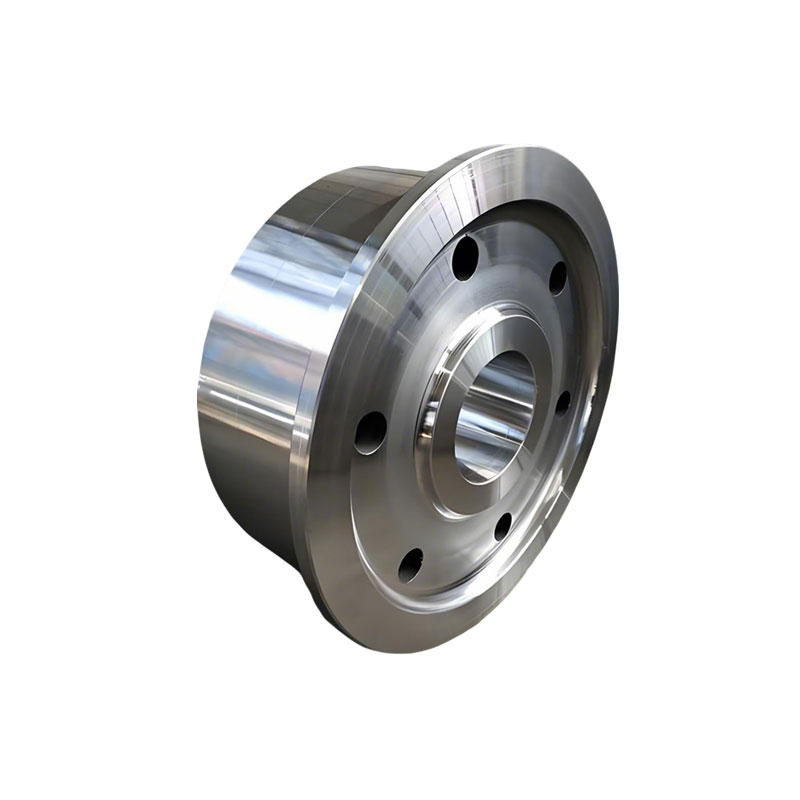
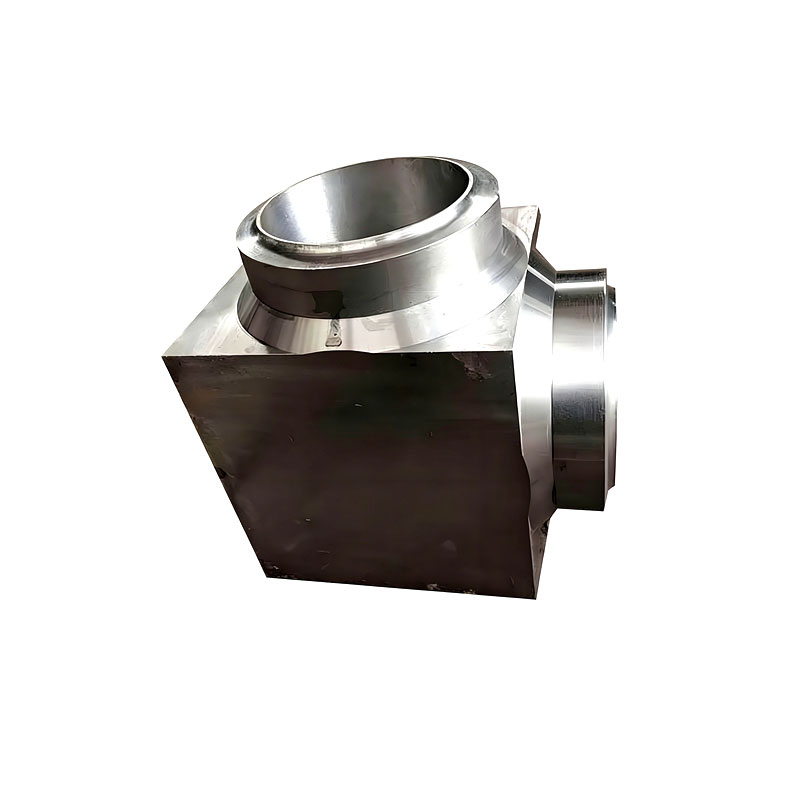
Forged four-way is a high-strength pipe fitting formed by high-temperature integral forging, which has the characteristics of dense structure, high pressure resistance, and strong impact resistance. It is widely used in industrial pipeline systems with extremely high safety requirements such as petroleum, chemical, power, and deep-sea oil and gas.
Product Features
High strength and high reliability: Adopting integral forging process, continuous distribution of metal fibers, dense structure, no casting defects such as porosity and shrinkage porosity, significantly improving pressure bearing capacity and fatigue life.
High temperature and high pressure resistance: It can work for a long time in environments with high temperature, high pressure, and highly corrosive media, and is suitable for Class 900 and above level systems.
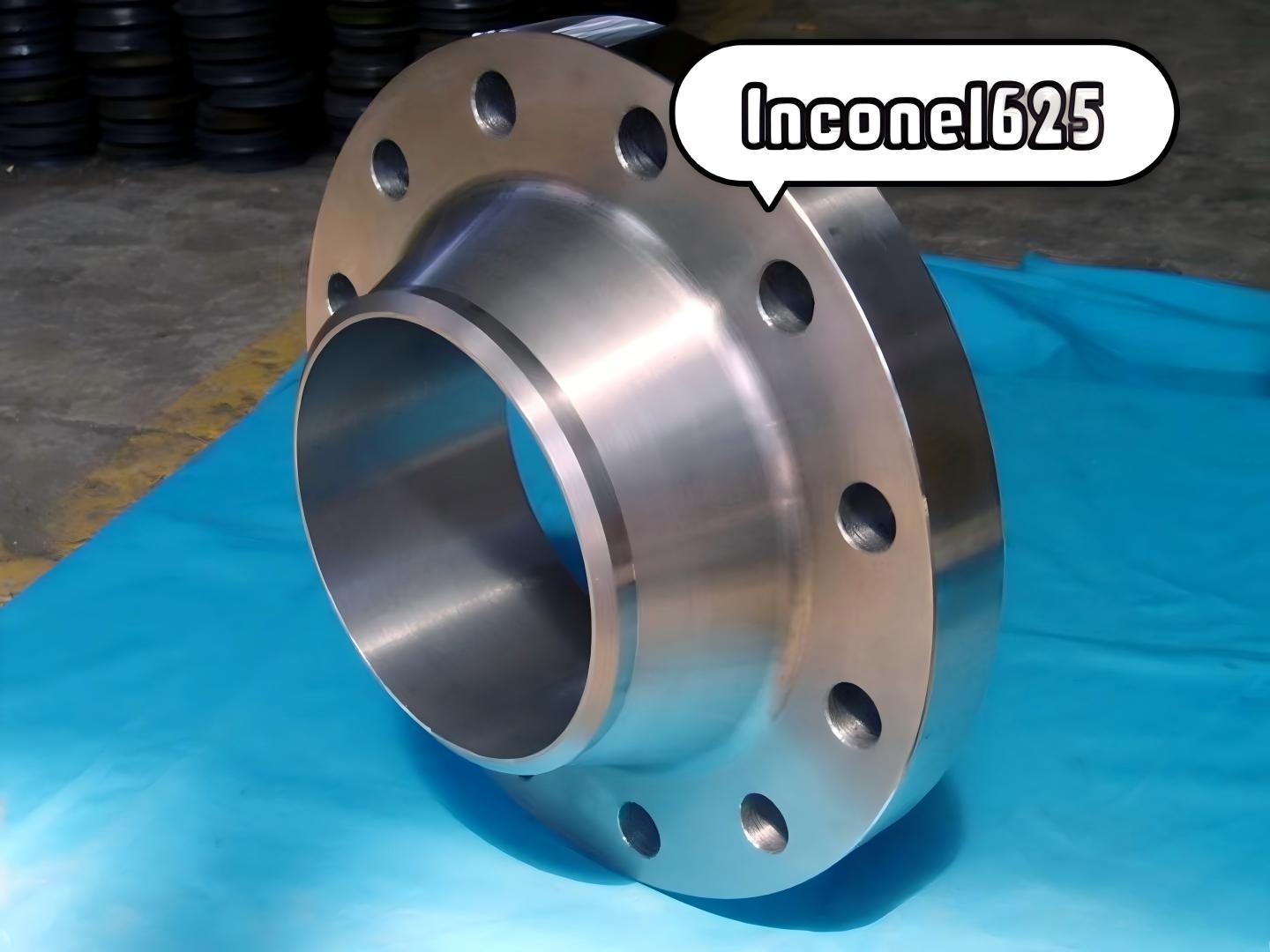
Diverse materials: Supports carbon steel (such as 20 #, Q355B), alloy steel (15CrMo, F22), austenitic stainless steel, duplex steel, titanium alloy, Hastelloy, Monel, Inconel, and customized special metals.
Flexible connection methods: commonly used are socket welding (SW) and threaded connection (Thd), and some high-pressure or large-diameter scenarios adopt butt welding design, which is easy to install and has reliable sealing.
Strong customization capability: supports non-standard sizes, reducing four-way joints, special angles, and drawing processing, and adapts to complex pipeline layouts.
execution standard
The design and manufacturing of forged four-way follow multiple international and industry authoritative standards to ensure interchangeability and safety:
Chinese standards:
GB/T 14383 "Forged steel socket welded pipe fittings"
SH/T 3410 "Forged Steel Socket Welding and Threaded Pipe Fittings for Petrochemical Industry"
American Standard
ASME B16.11 "Socket welded and threaded forged fittings"
MSS SP-97 "Reducers, Elbows, Trips, and Crosses for Whole Factory Manufacturing"
Japanese standard:
JIS B2316 "Steel socket welded pipe fittings"
German standards:
DIN 2605/2615 "Forged elbows and tees"
Note: High performance forged tees may also comply with special operating conditions standards such as API 6A (oil and gas wellhead equipment) and NACE MR0175 (sulfide stress corrosion resistance).
Dimensions
Nominal diameter (DN): The standard range is DN6 – DN100, and can be expanded to DN15 – DN200 according to demand.
Type classification
Equal diameter four-way: All ports have the same diameter (such as DN50 × 50 × 50 × 50)
Reducing four-way: The diameter of the branch pipe is smaller than that of the main pipe (such as DN50 × 40 × 50 × 40)
connection type
Socket welding (SW): suitable for small and medium-sized high-pressure pipelines (DN ≤ 100)
Threaded connection (Thd): easy to install on site, no need for hot work
Pressure level adaptation
Common levels: 3000LB, 6000LB, 9000LB
Corresponding pipe wall thickness: Sch80 (XS), Sch60, XXS
pressure rating
Pressure level (LB) | Applicable wall thickness grade | Typical application scenarios |
3000LB | Sch80 / XS | Medium and high pressure chemical and thermal systems |
6000LB | Sch60 | Petroleum refining and high-pressure steam pipelines |
9000LB | XXS | Deep sea oil and gas, nuclear power critical circuits |
Attention: In high chloride ion or reducing acidic environments, nickel based alloy forged tees (such as Hastelloy B-3 or C-276) should be preferred and clearly labeled with UNS numbers to ensure material consistency.