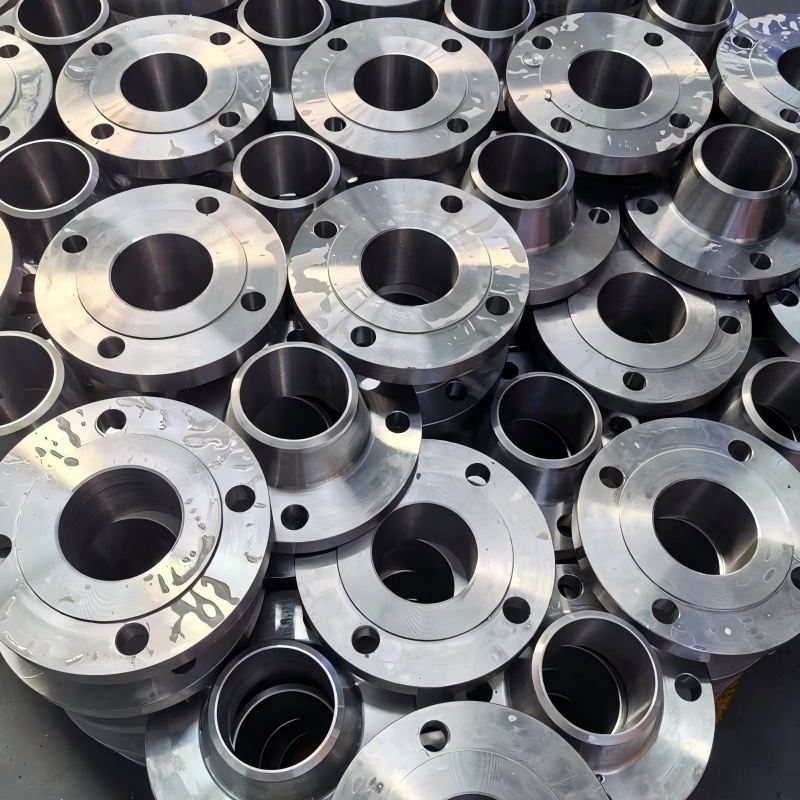
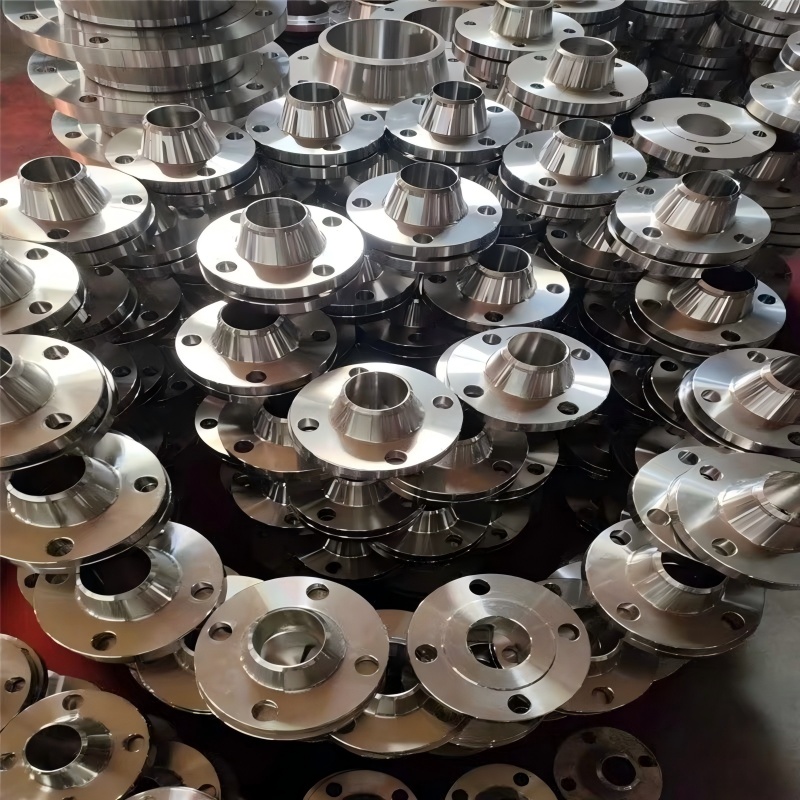
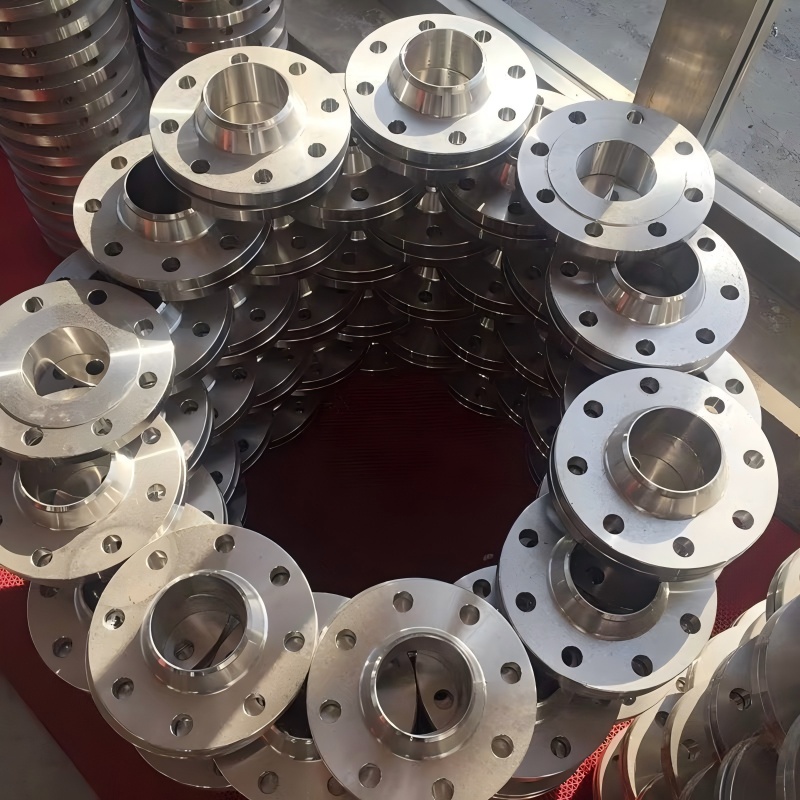
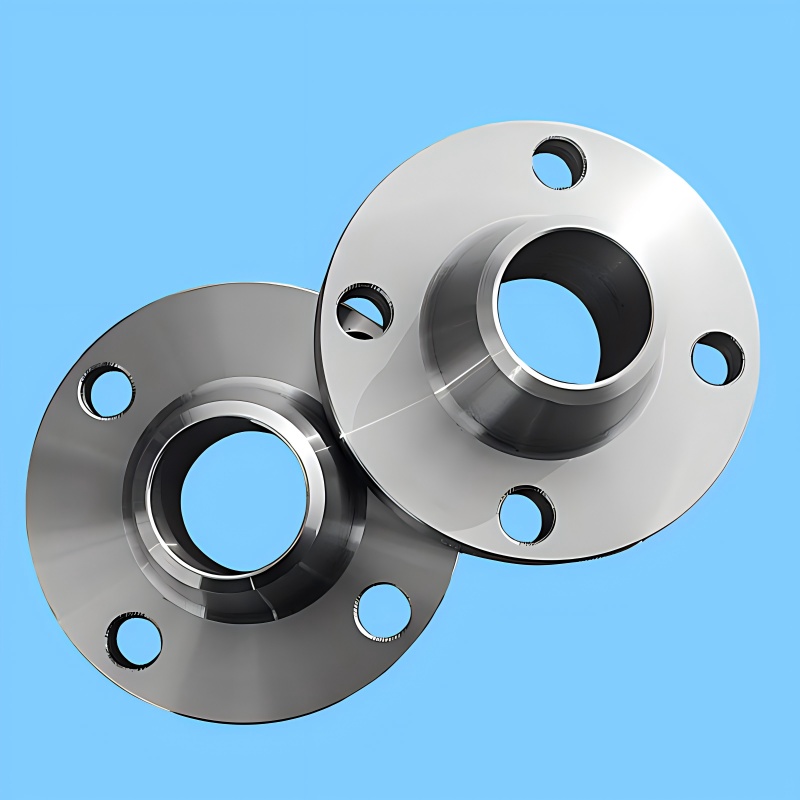
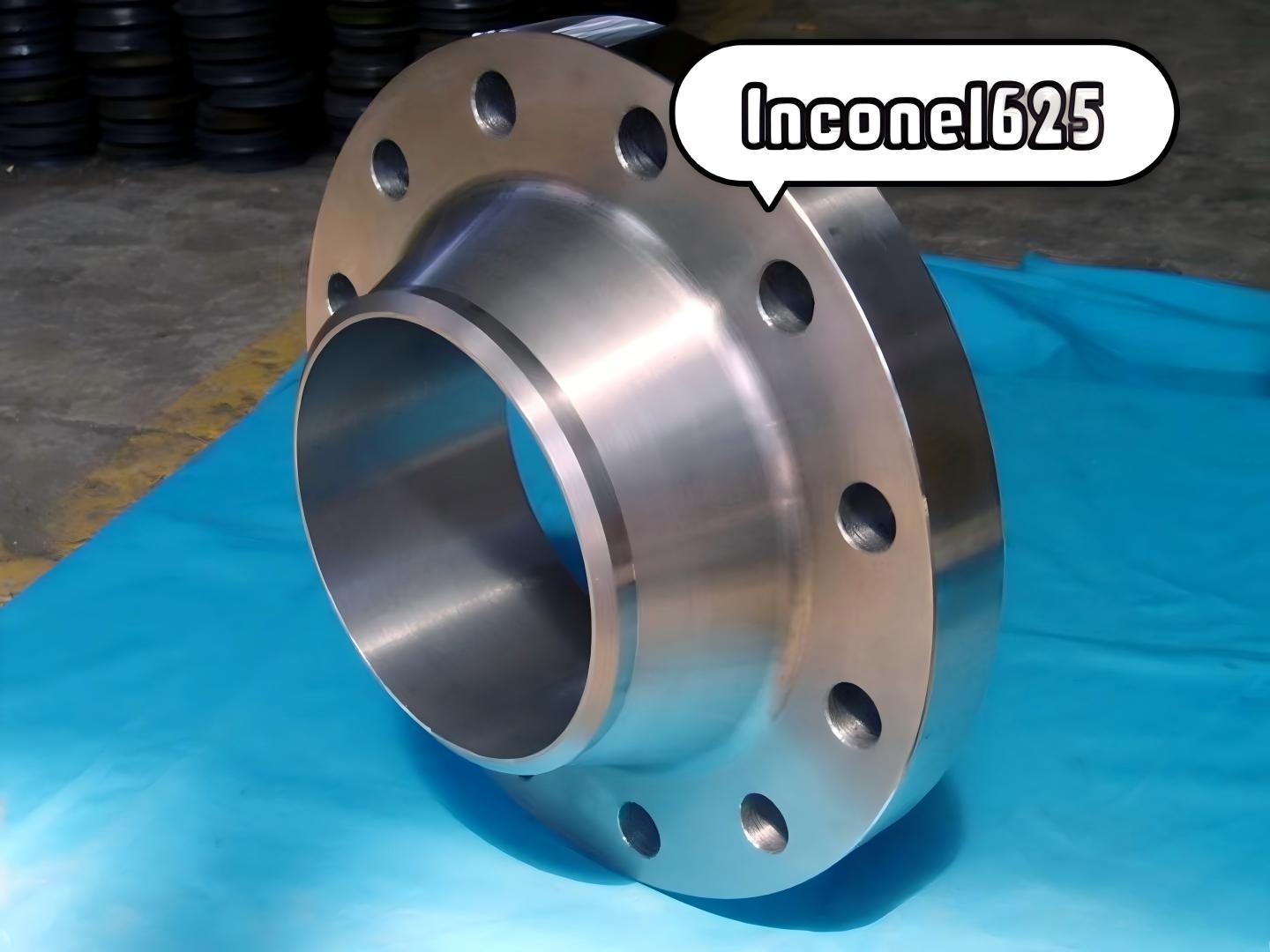
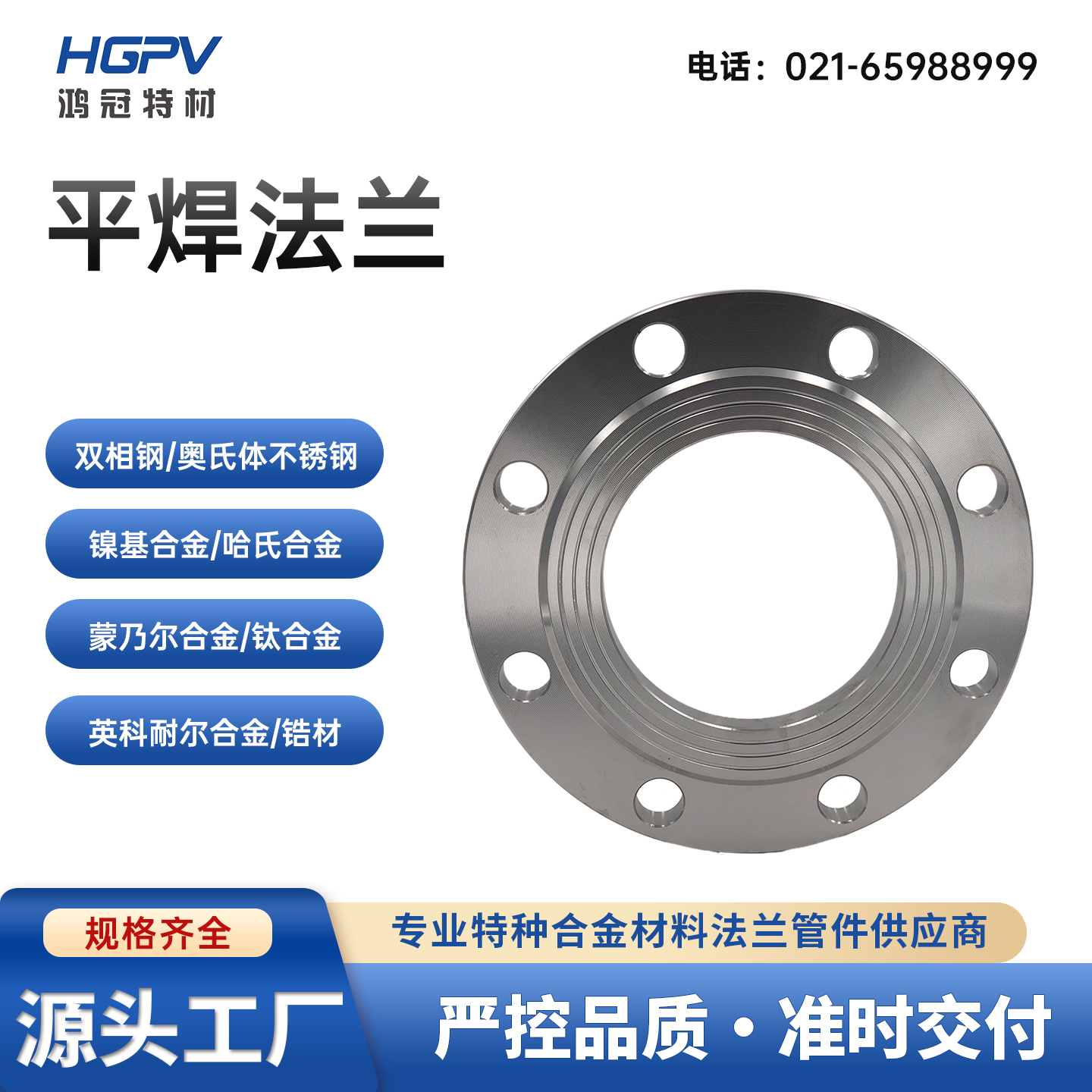
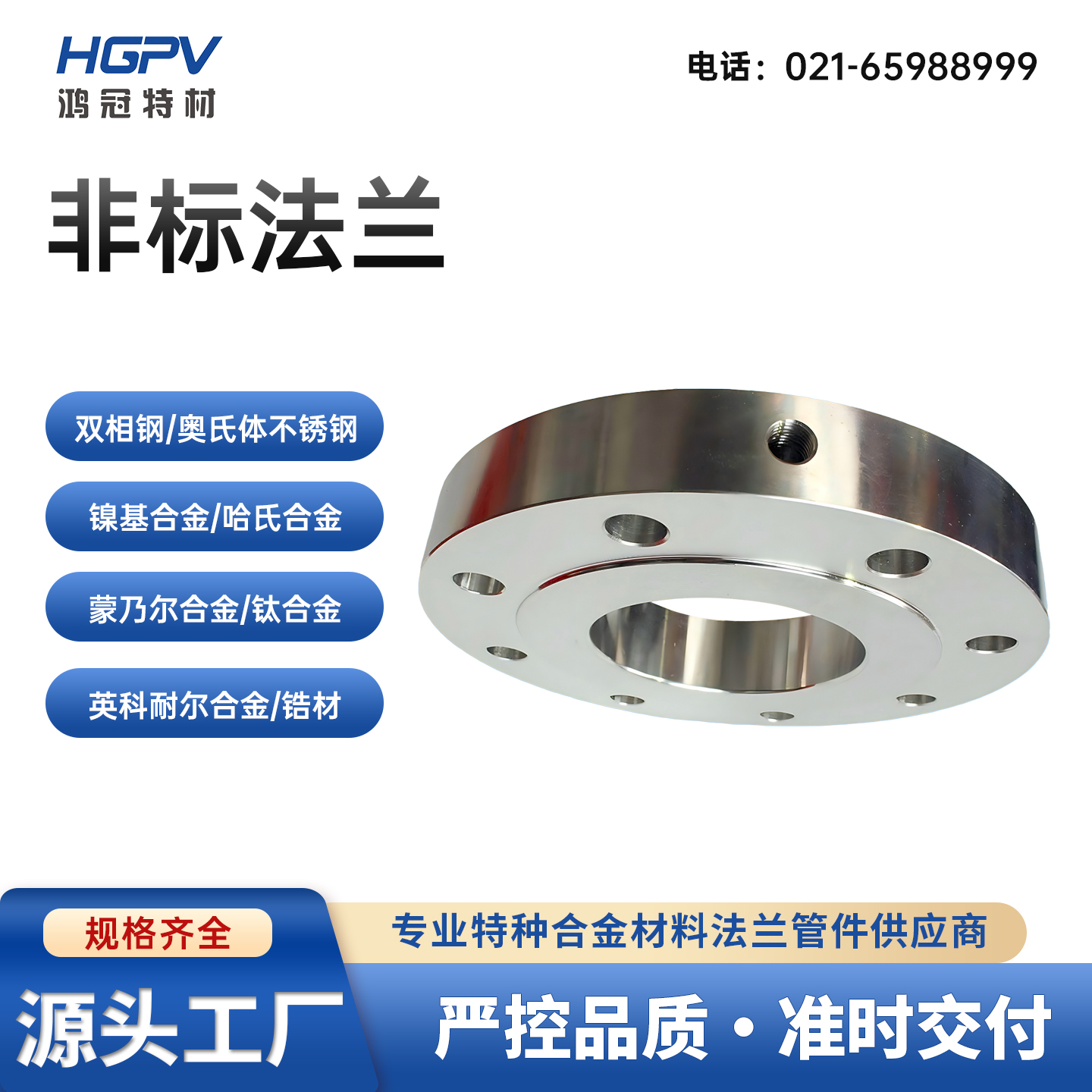
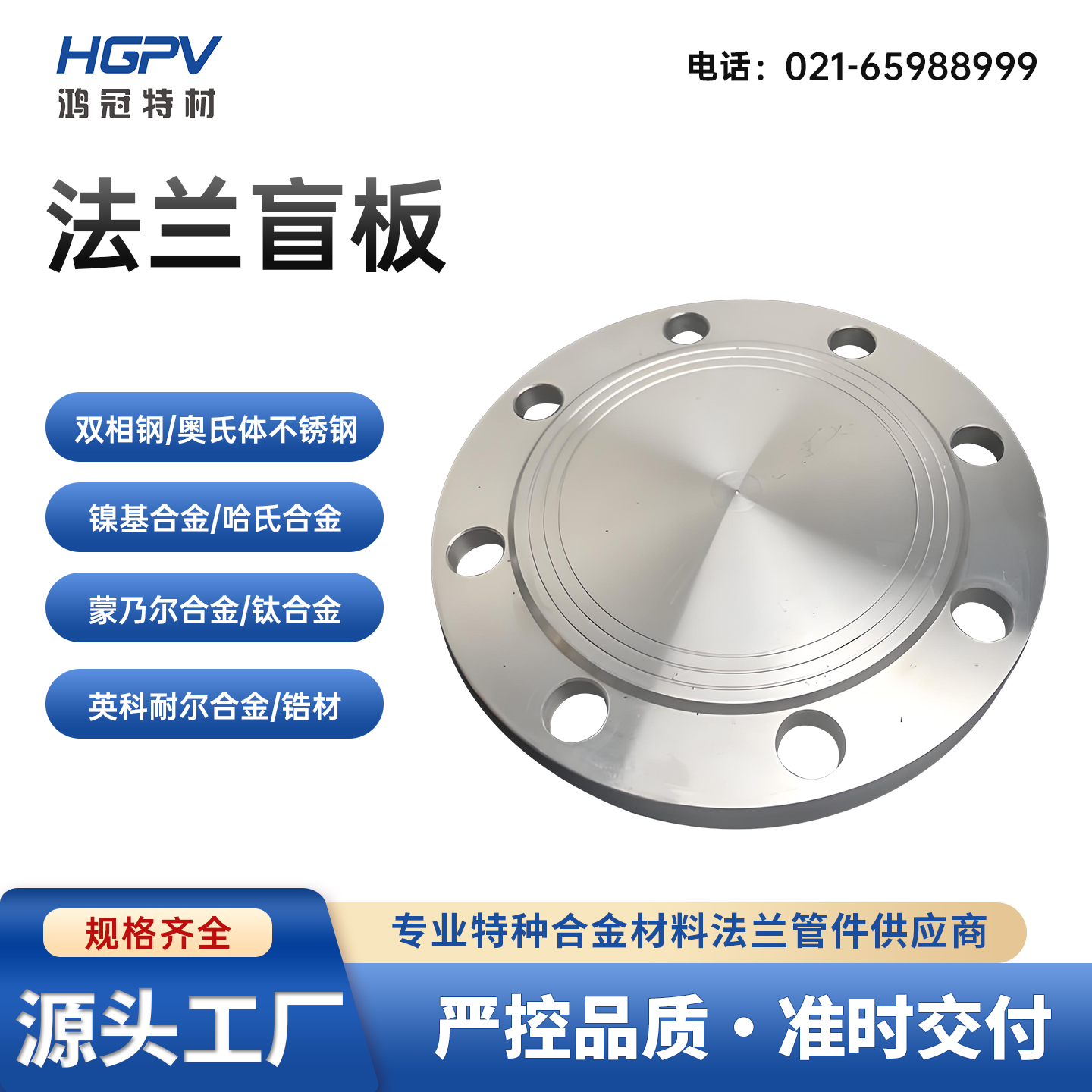
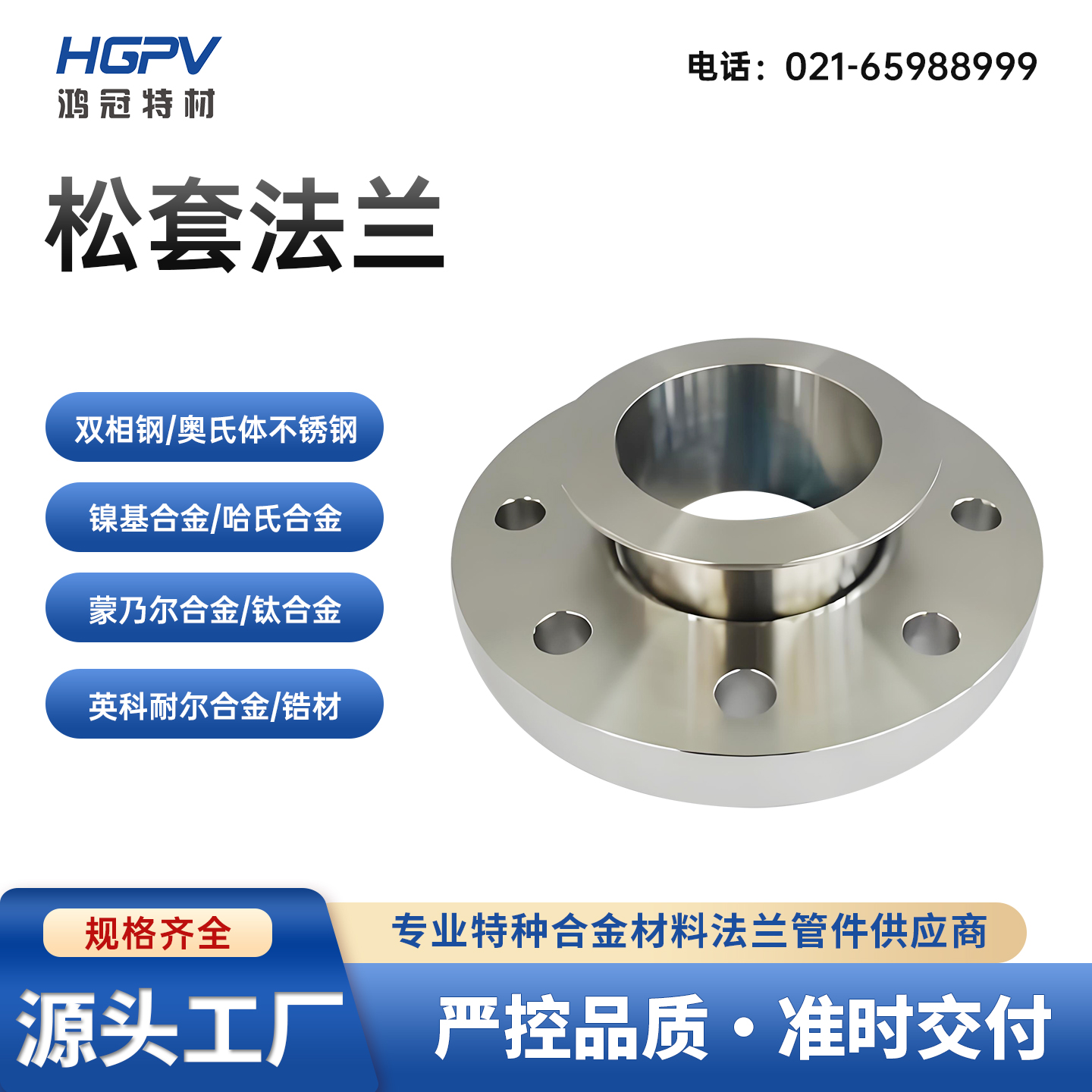
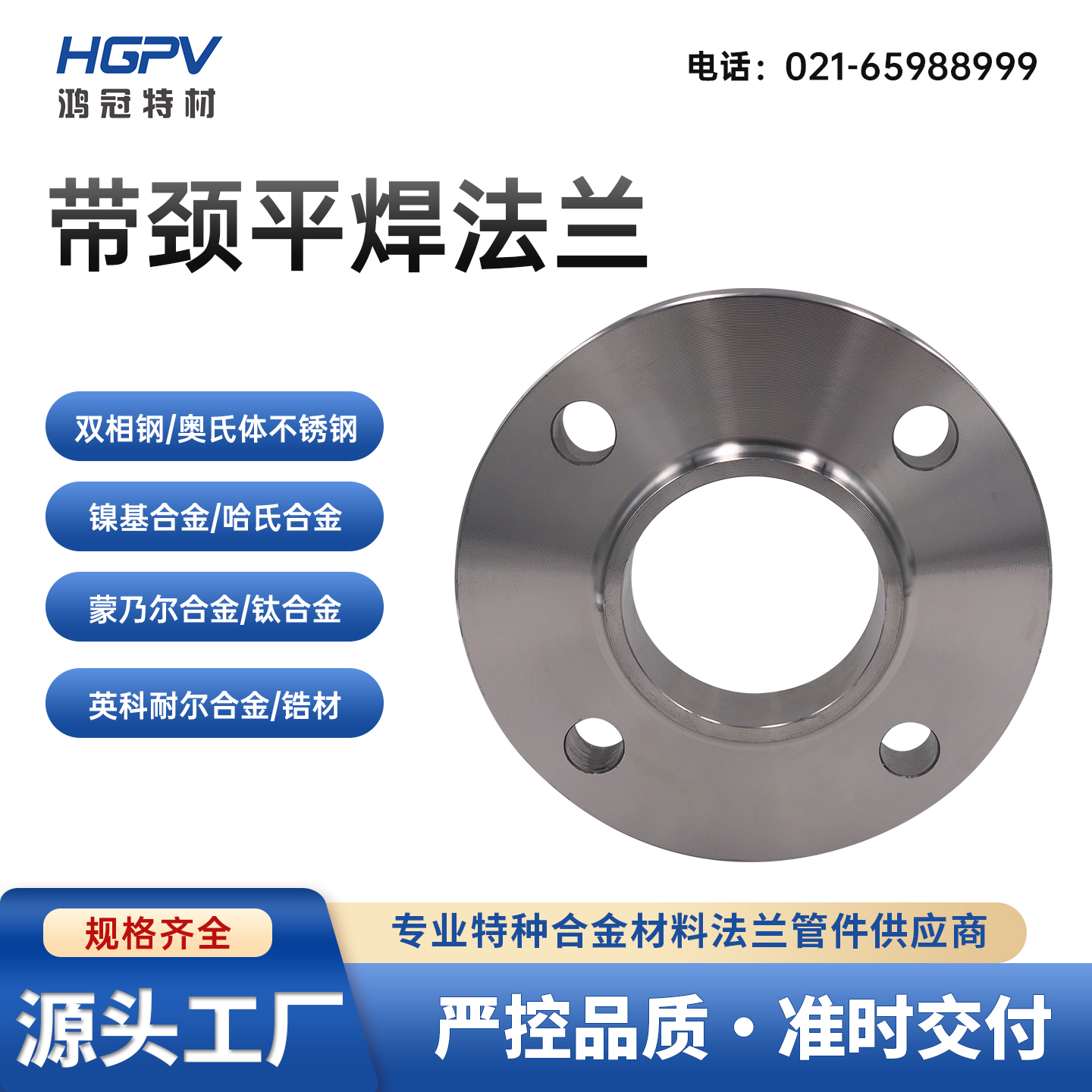
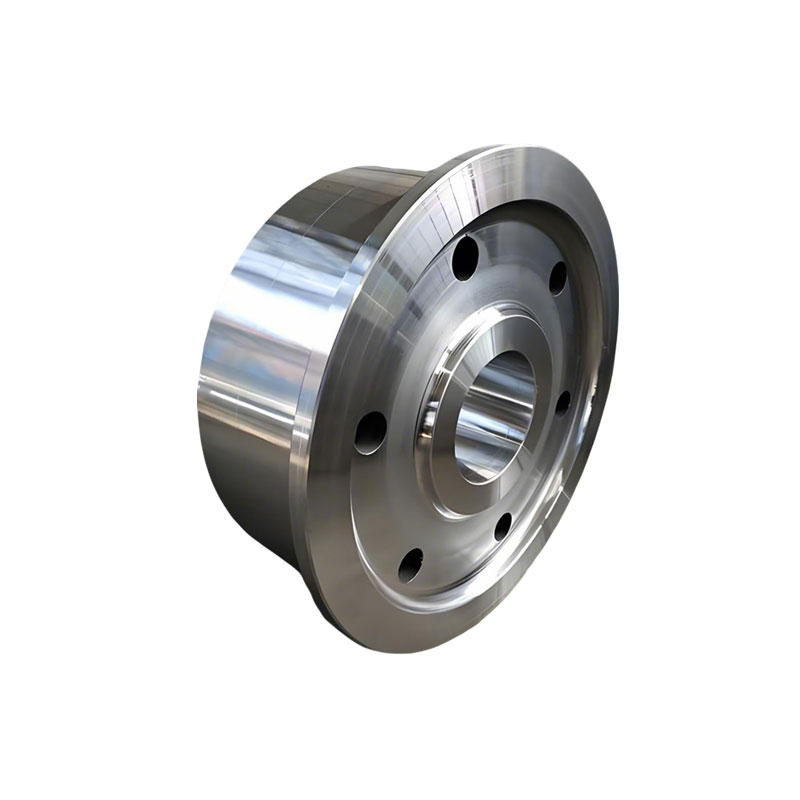
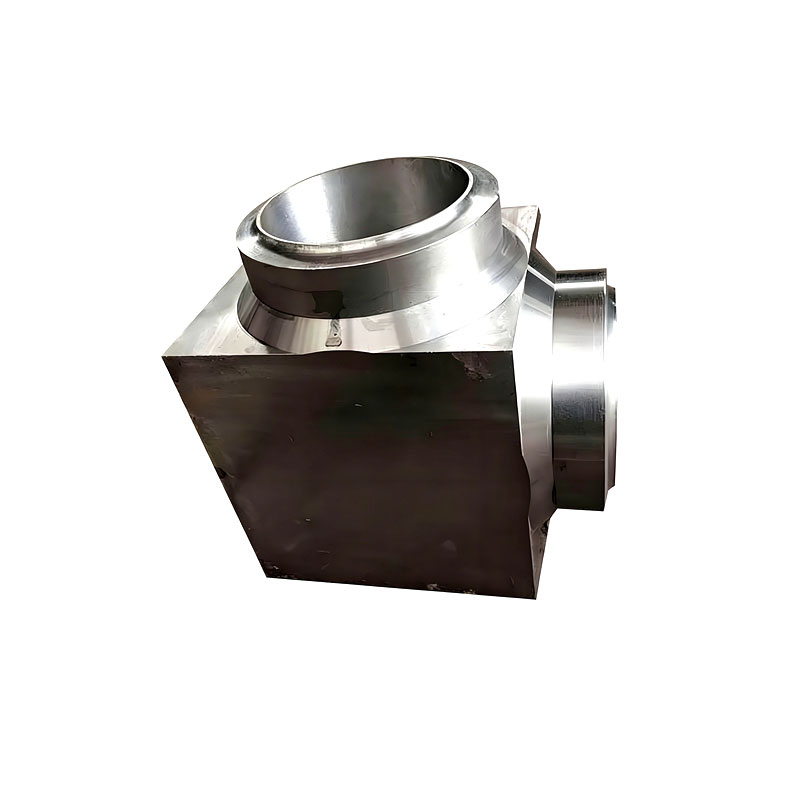
Neck welding flange is a type of flange, abbreviated as WN, which refers to a flange with a neck and a circular pipe transition, and is welded to the pipe. Here is a detailed introduction about it:
Neck design: The neck with neck welding flange is higher, and the neck is connected to the pipeline by butt welding. This structure is conducive to stress dispersion and can effectively enhance the strength and stiffness of the flange.
Main material
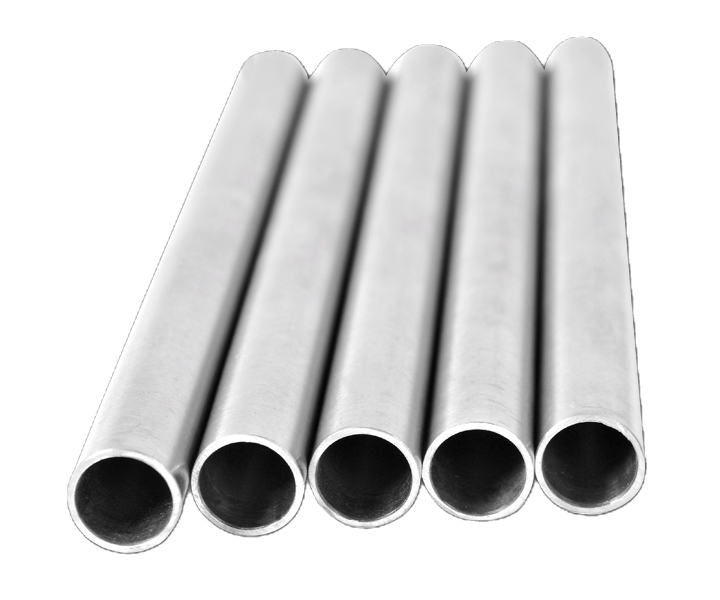
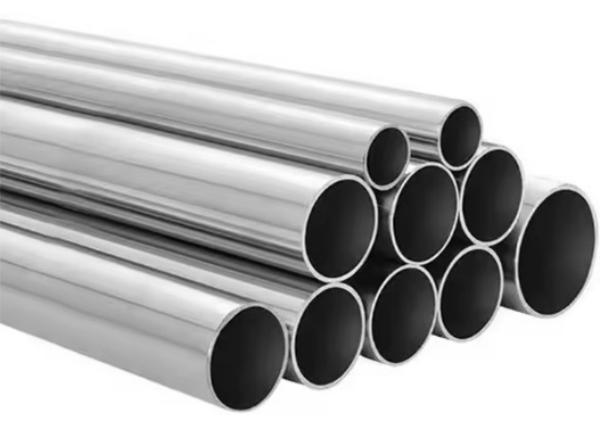
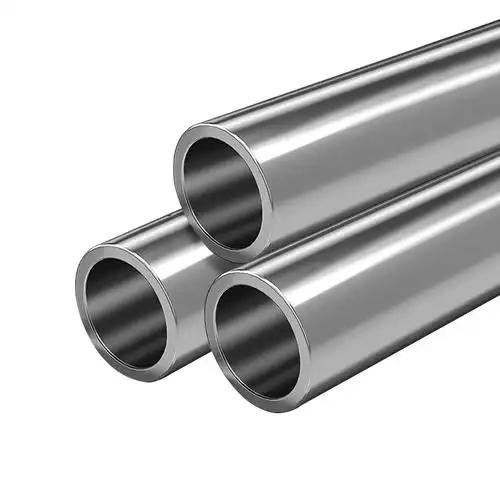
materialmainIncluding austenitestainless steel、Dual phase steel, titanium alloyHastelloy, Monel, Inconel, and customized special metals.
Sealing surface forms: There are various forms such as convex surface (RF), full plane (FF), concave convex surface (MFM), concave surface (FM), convex surface (M), tenon groove surface (TG), etc., which can be selected according to different working conditions and sealing requirements.
execution standard
Ministry of Chemical Industry standards: HG/T20592-2009, HG/T20615-2009, etc.
National standard: GB/T 43079.1-202 ,Mechanical department standard: JB/T86.2-94.
Marine standard: CB/T47-1999,American standard: ANSI B16.5, ASME B16.47, etc.
Specifications and Dimensions
Usually ranging from DN15 to DN4000, it can meet the connection requirements of pipes with different diameters.
pressure rating
Covering PN2.5-PN400, common ones include PN10, PN16, PN25, PN40, PN63, PN100, etc., suitable for pipeline systems with different pressures.
production process
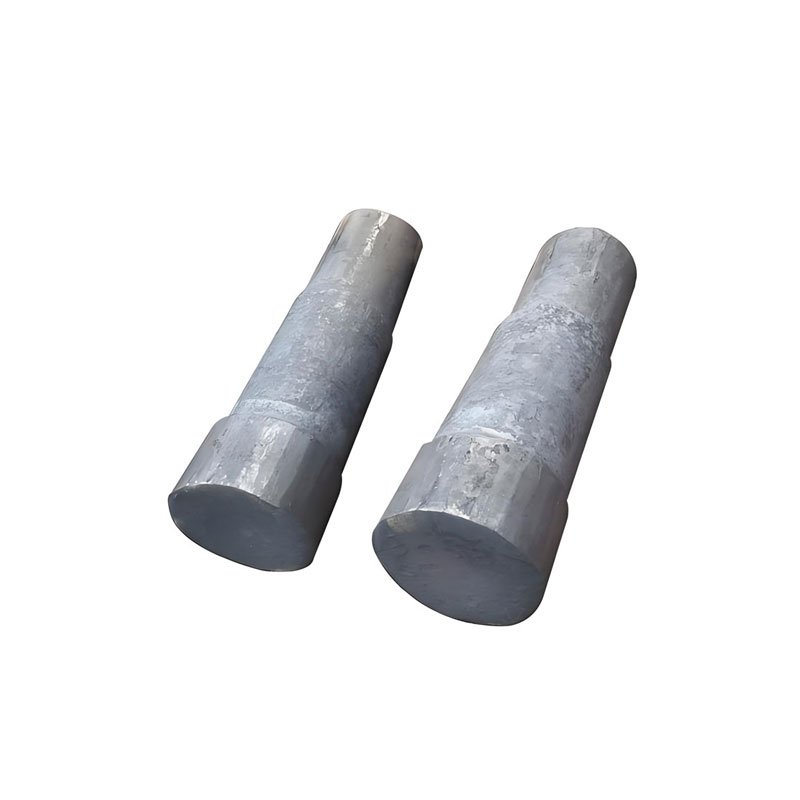
Neck welded flanges are usually produced using forging processes, such as die forging. The heated billet is placed in a forging die fixed to the forging equipment and forged into shape. After cutting, heating, pre forging, final forging, punching, trimming, quenching and tempering, shot blasting and other processes, the forged flange has a fine crystal structure and high strength.
Application
Neck welded flanges have the characteristics of high pressure resistance, good sealing performance, and resistance to deformation. They are widely used in the fields of petrochemicals, pharmaceutical production, shipbuilding, pipeline connection, etc., especially suitable for pipelines with significant pressure or temperature fluctuations, as well as high temperature, high pressure, and low temperature pipelines. They can also be used in pipelines that transport expensive, flammable, and explosive media.
connection method
One end of the neck welding flange is connected to the steel pipe by butt welding through the neck, and the other end is fastened to the other flange by bolts and nuts, achieving sealing and connection of the pipeline or equipment.