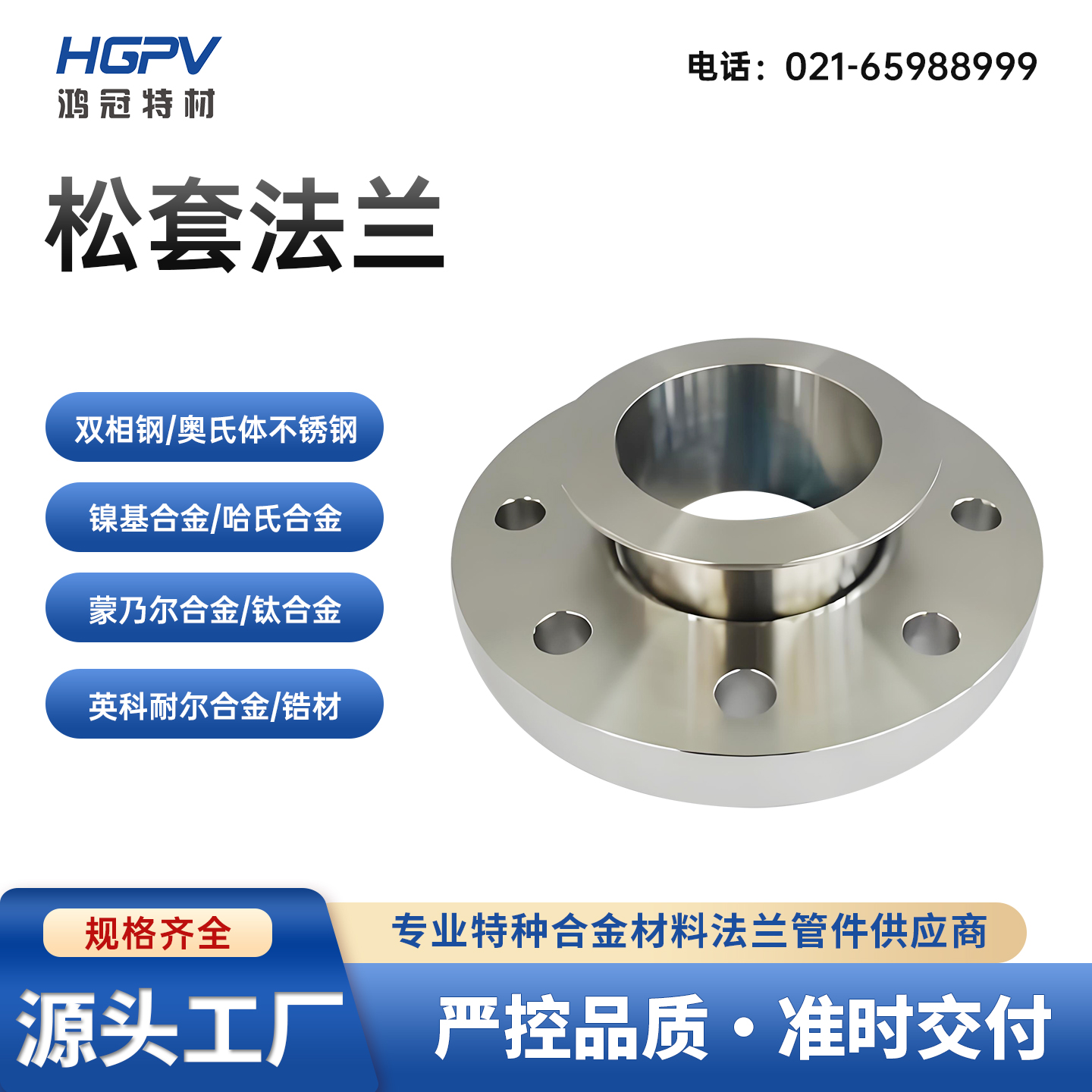
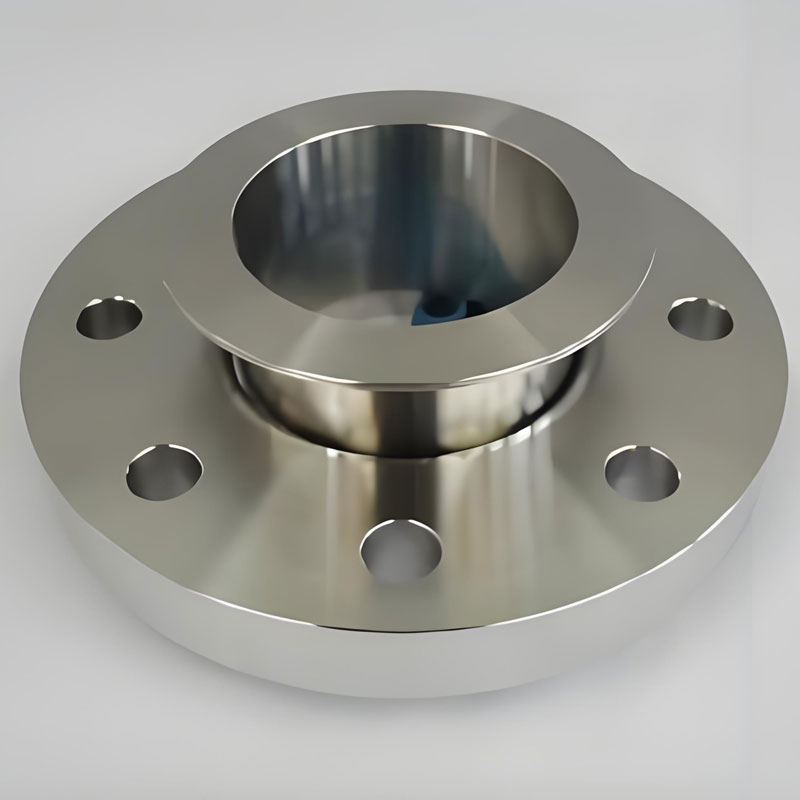
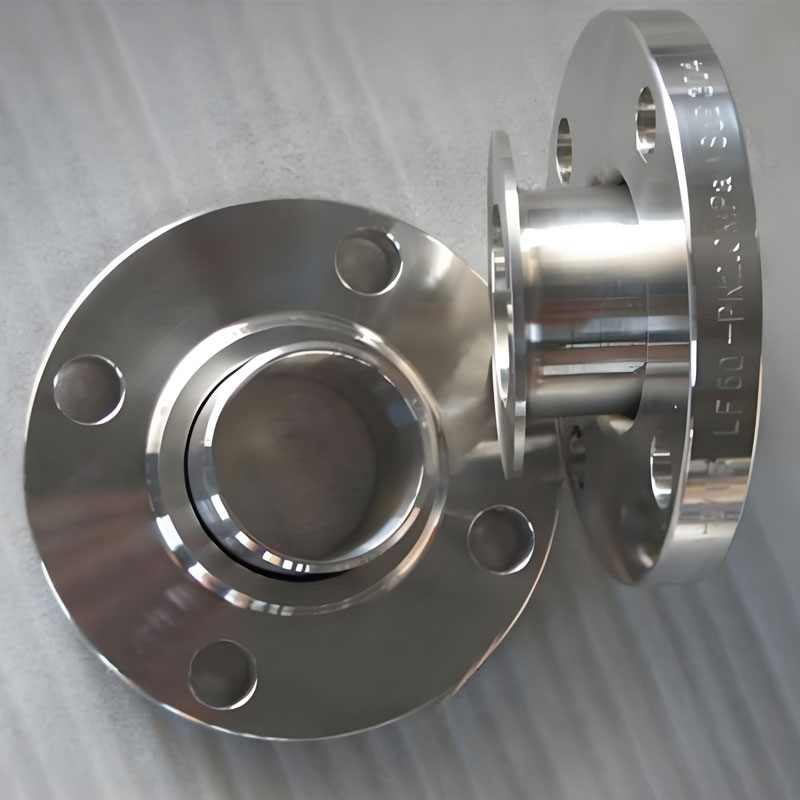
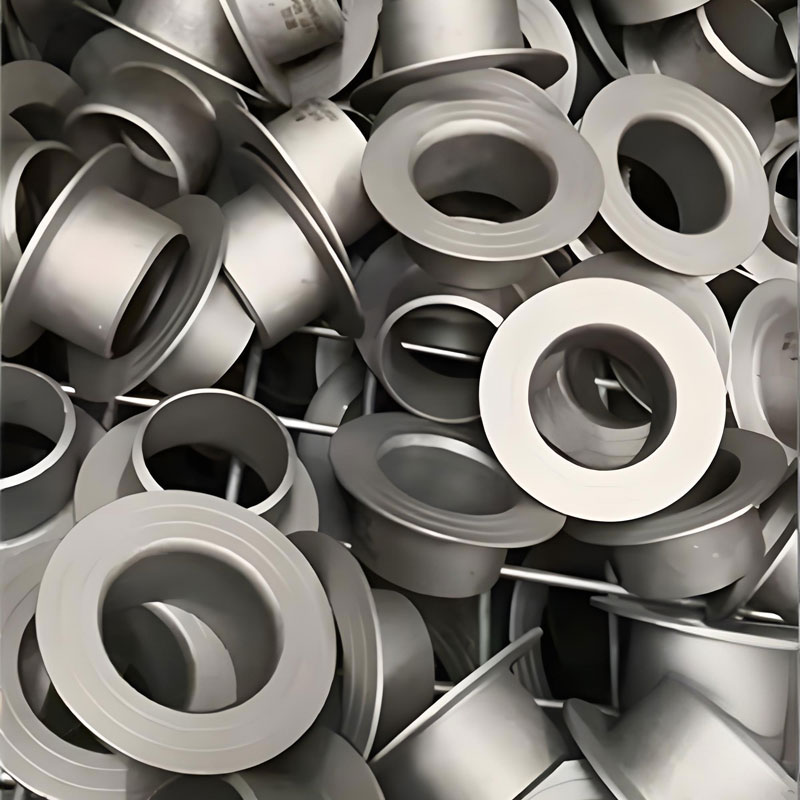
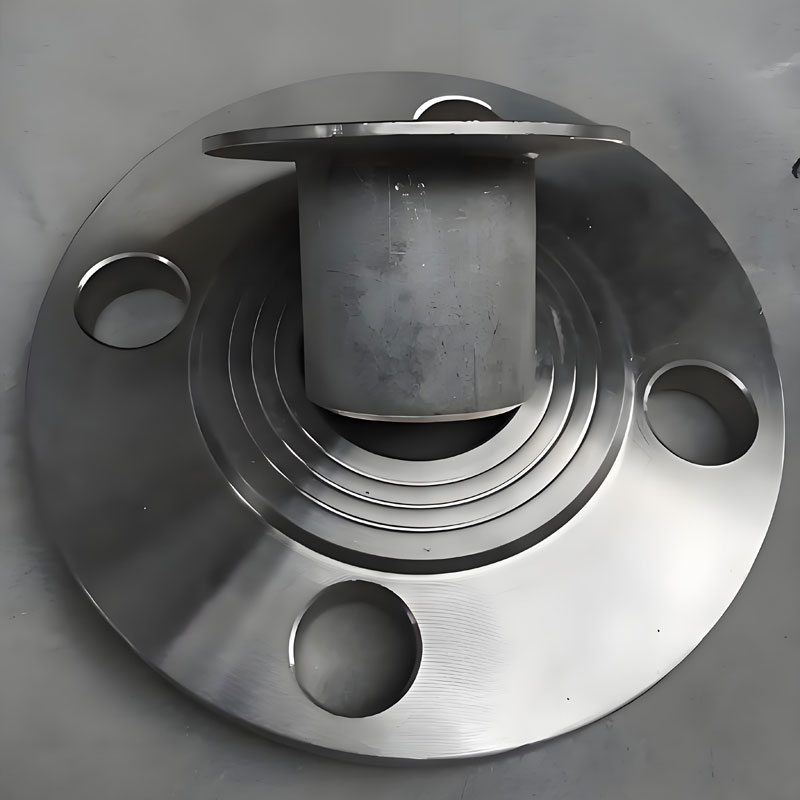
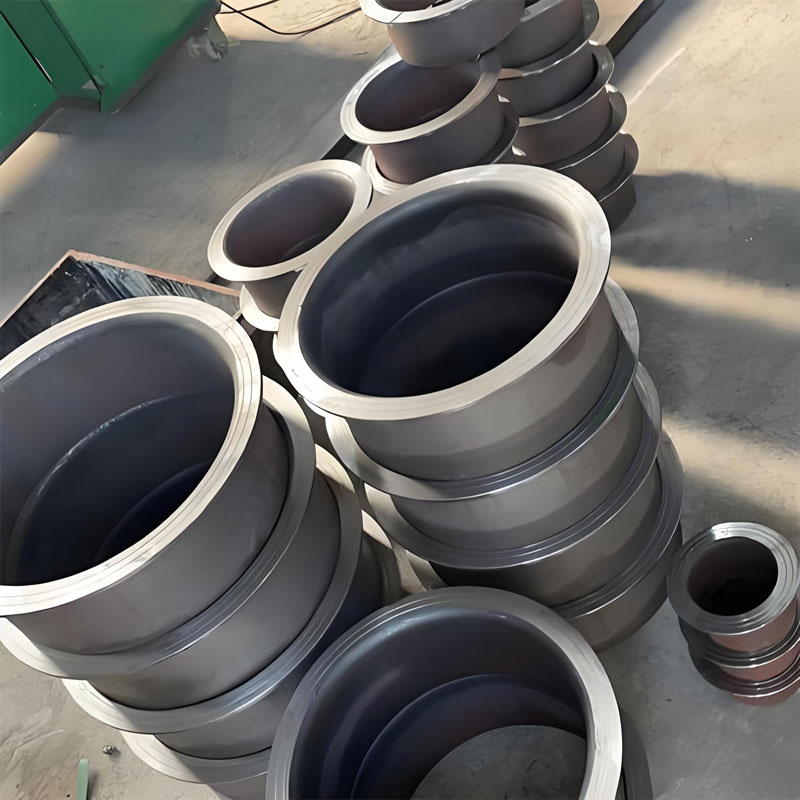
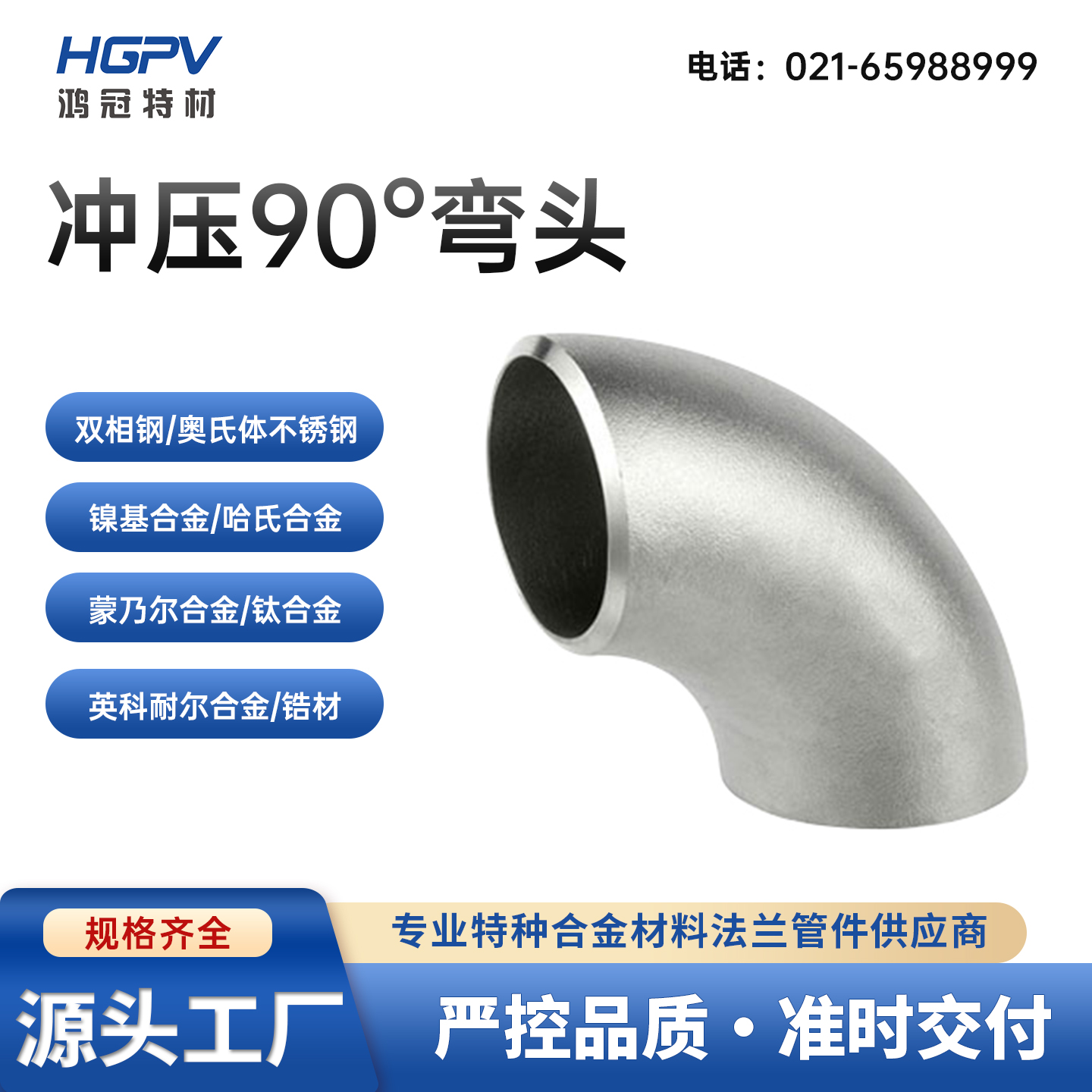
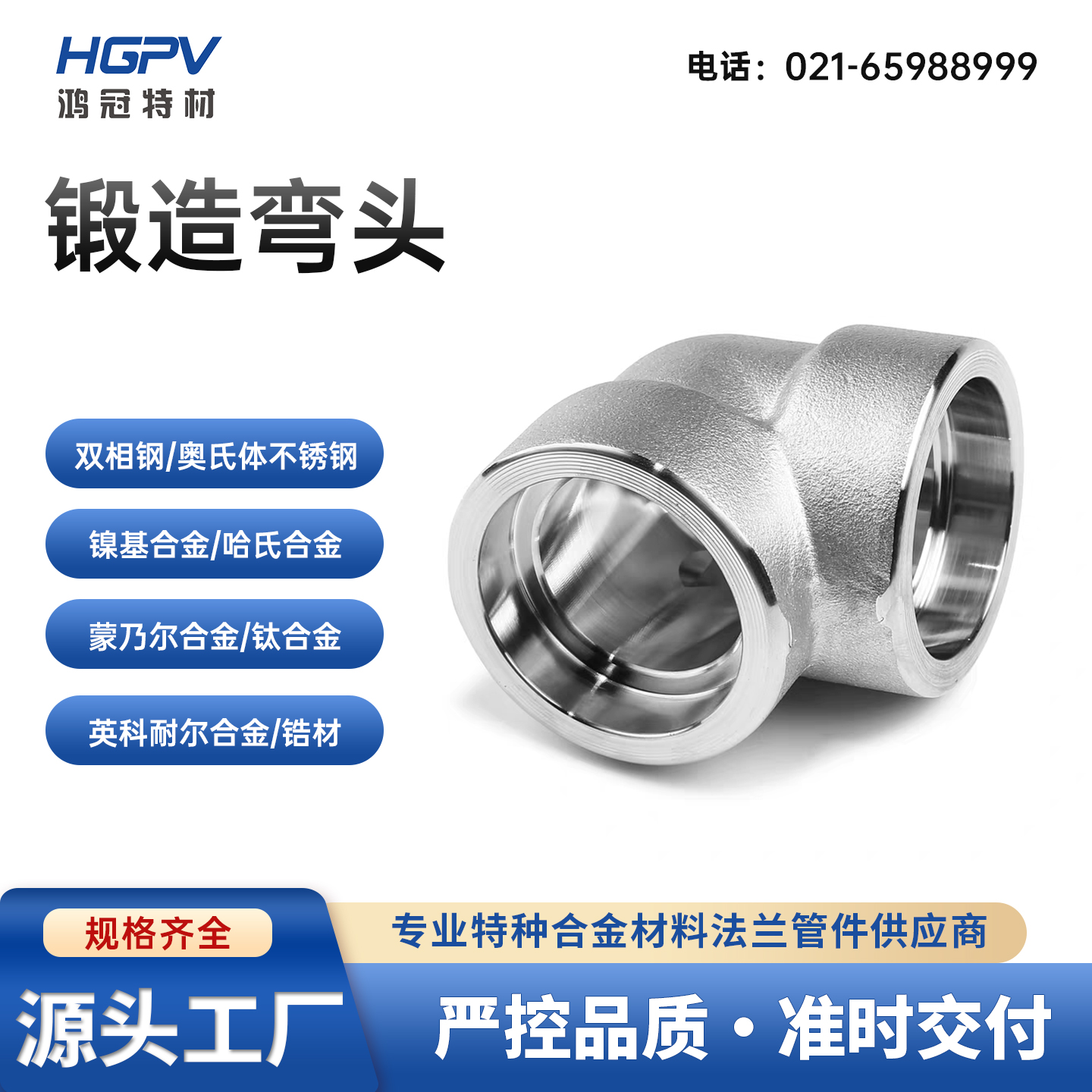
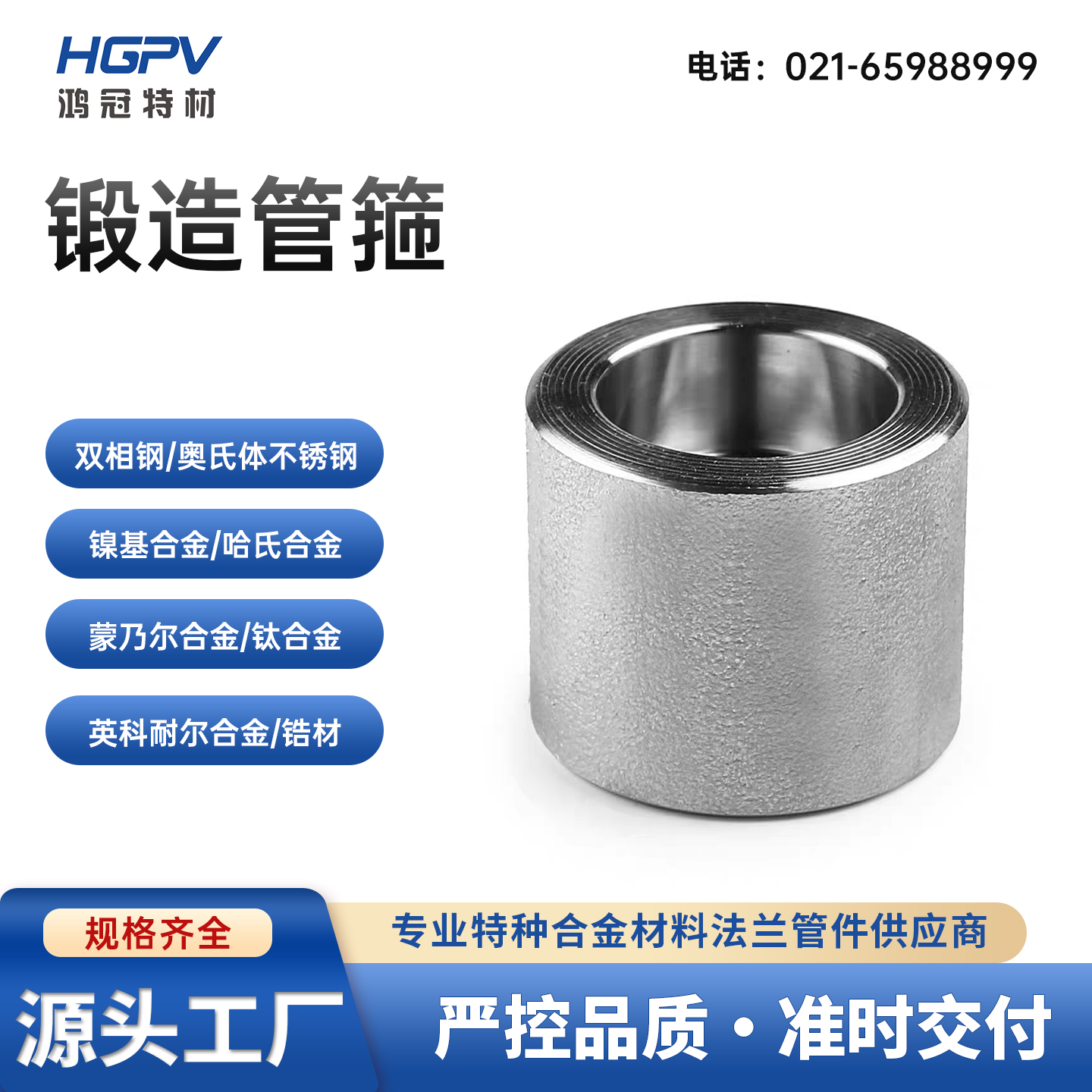
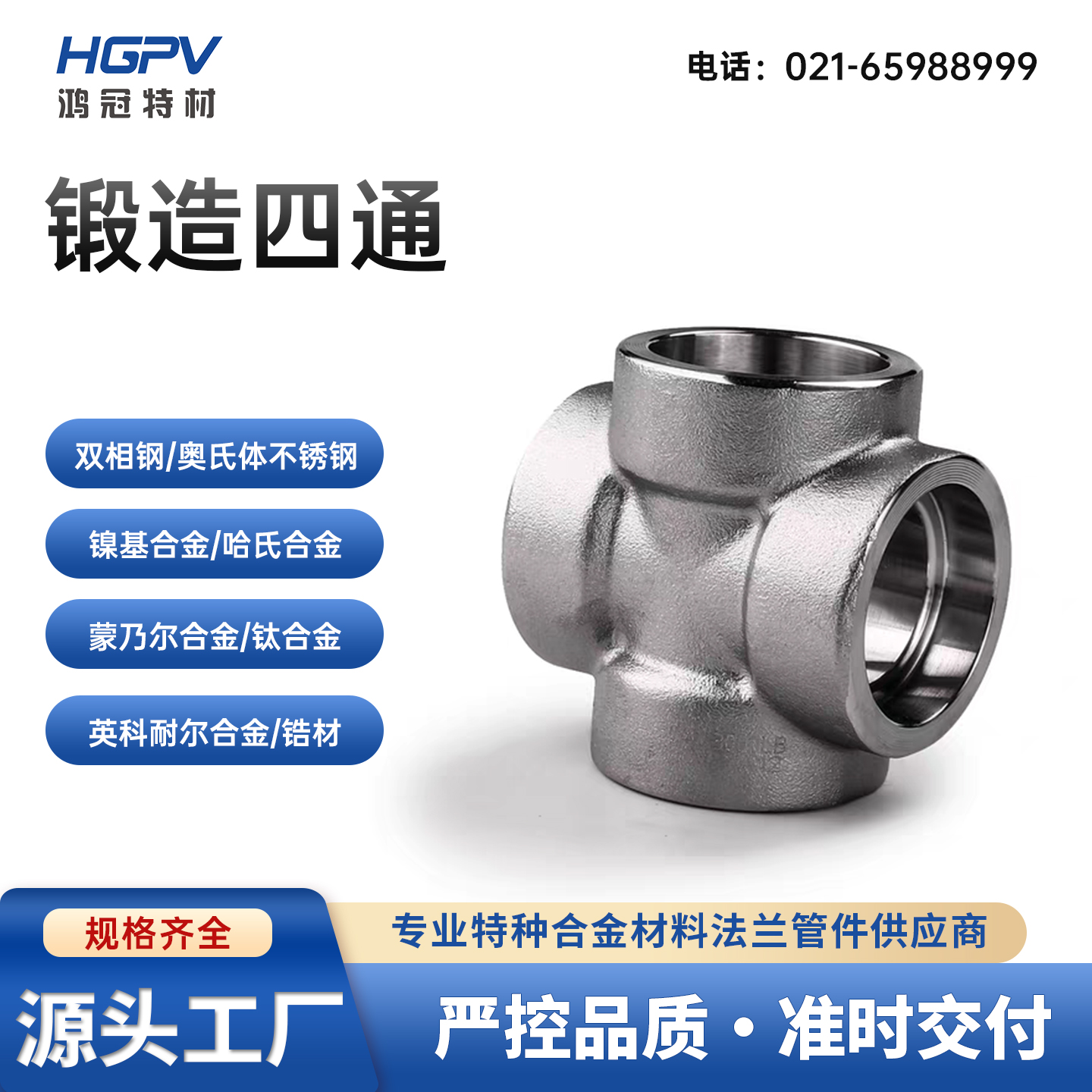
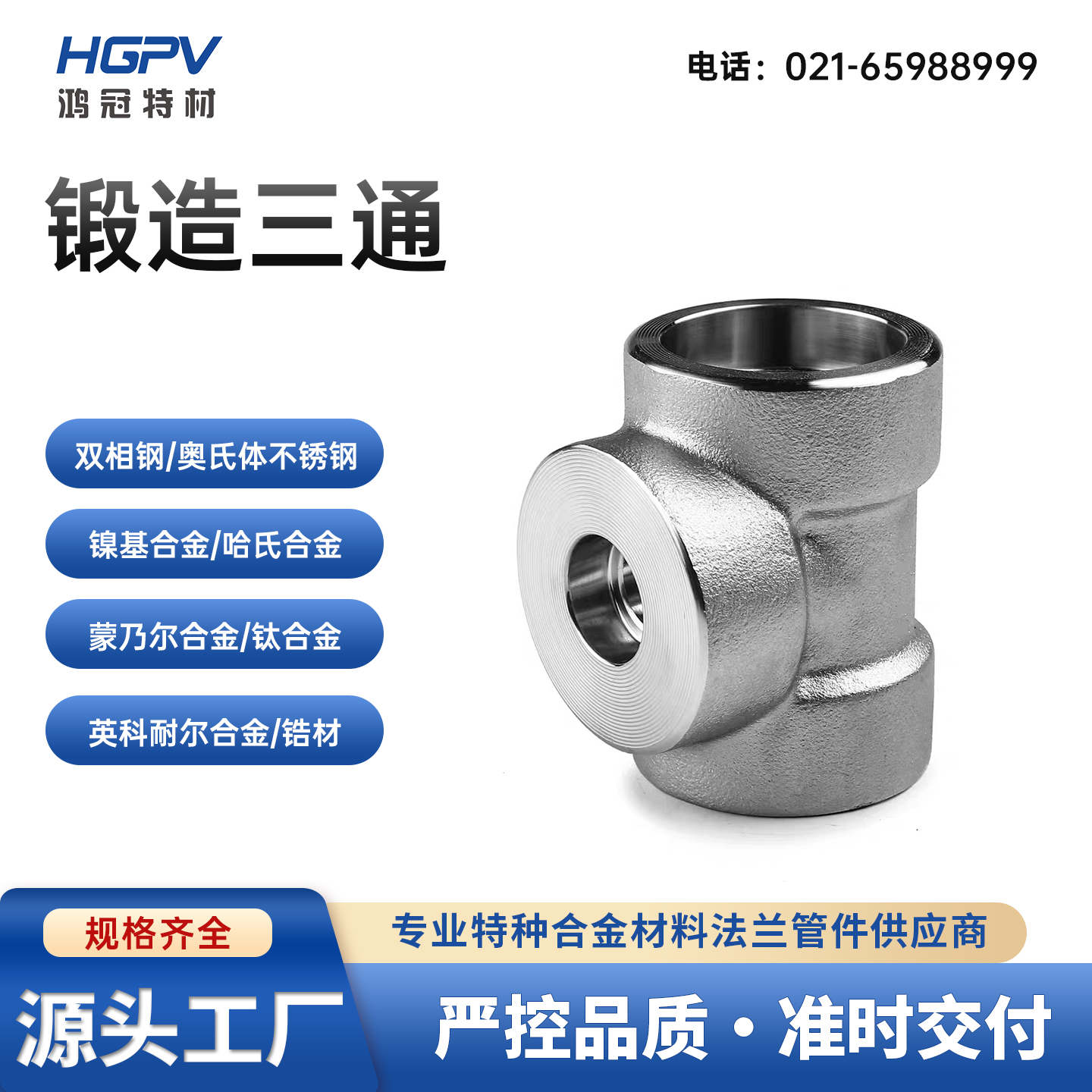
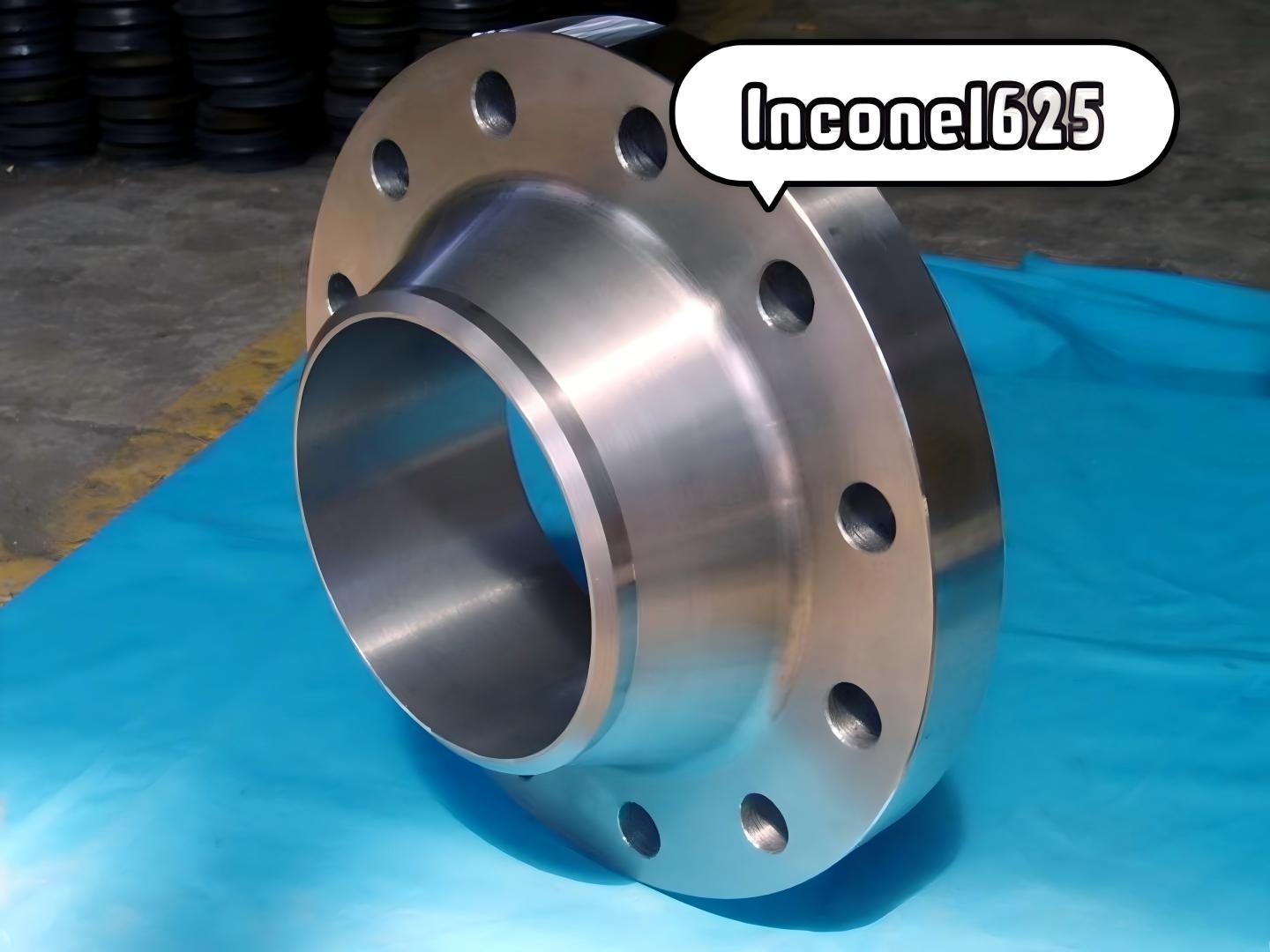
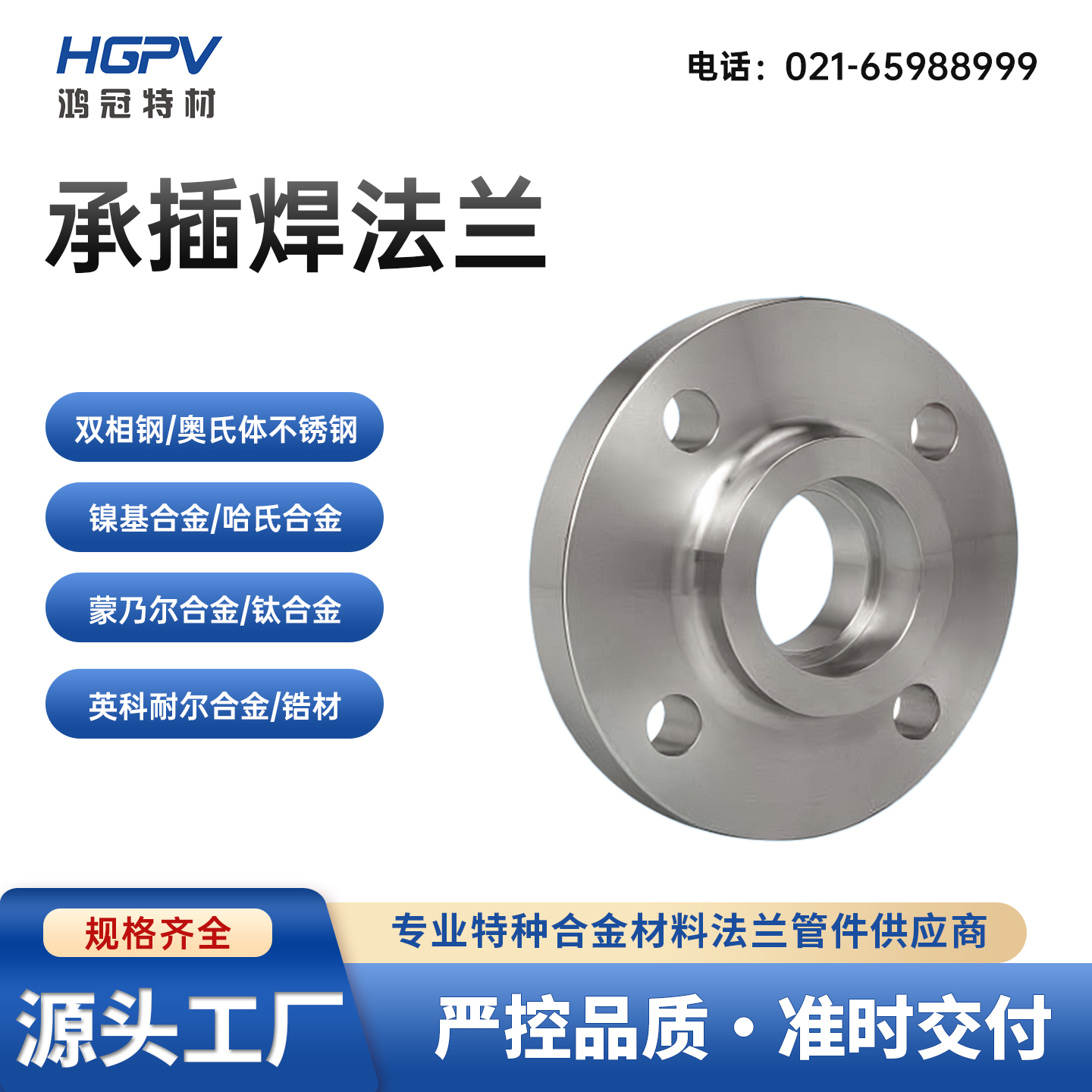
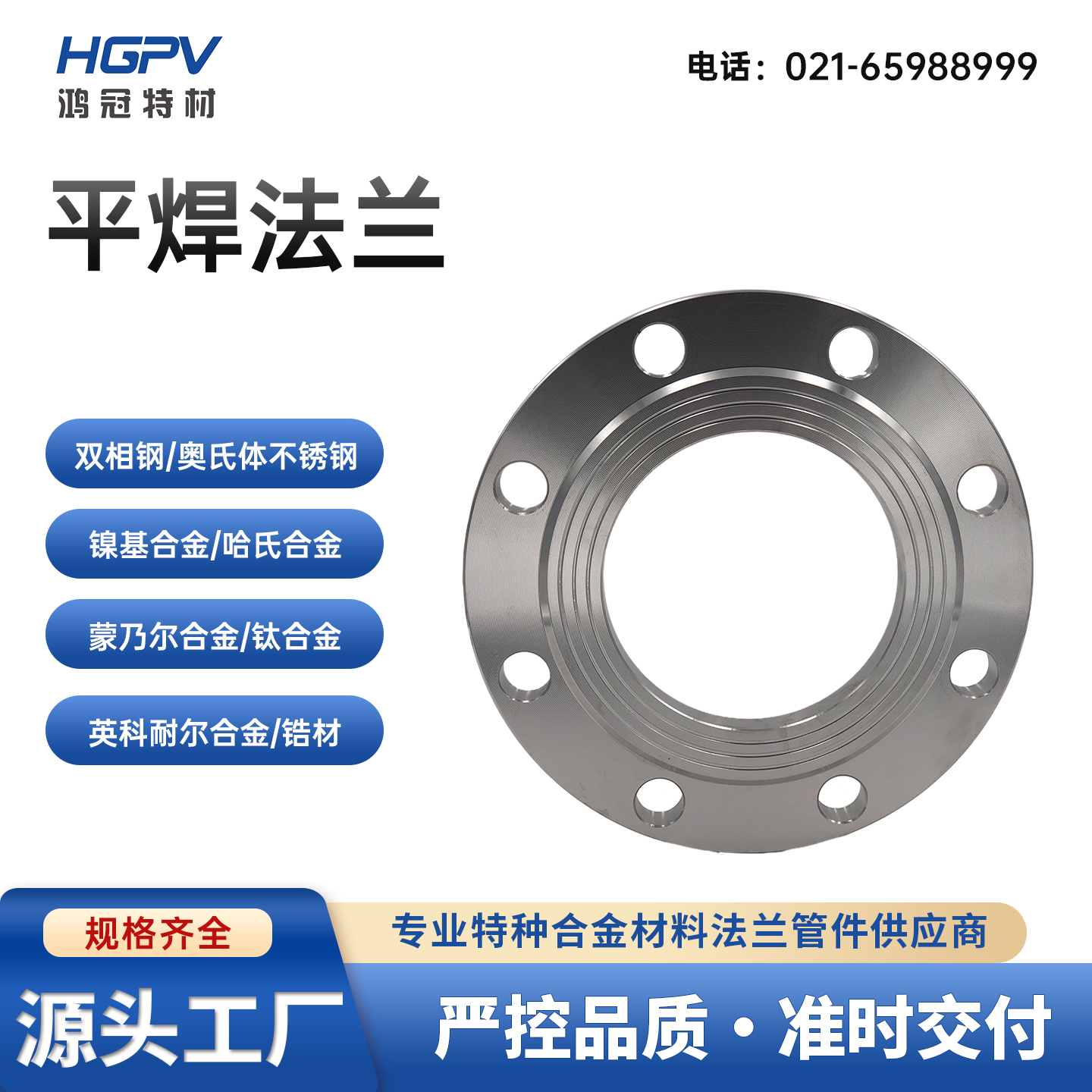
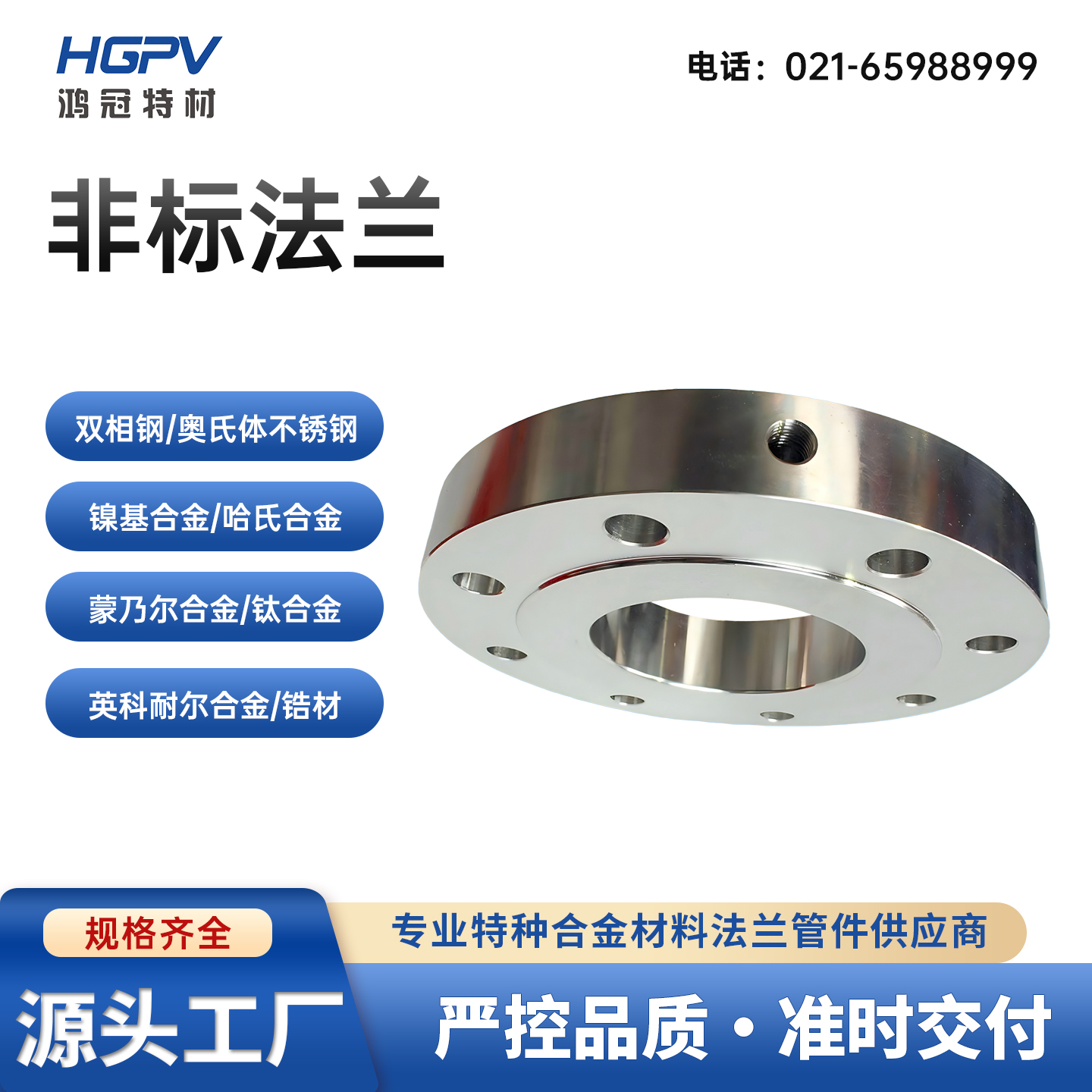
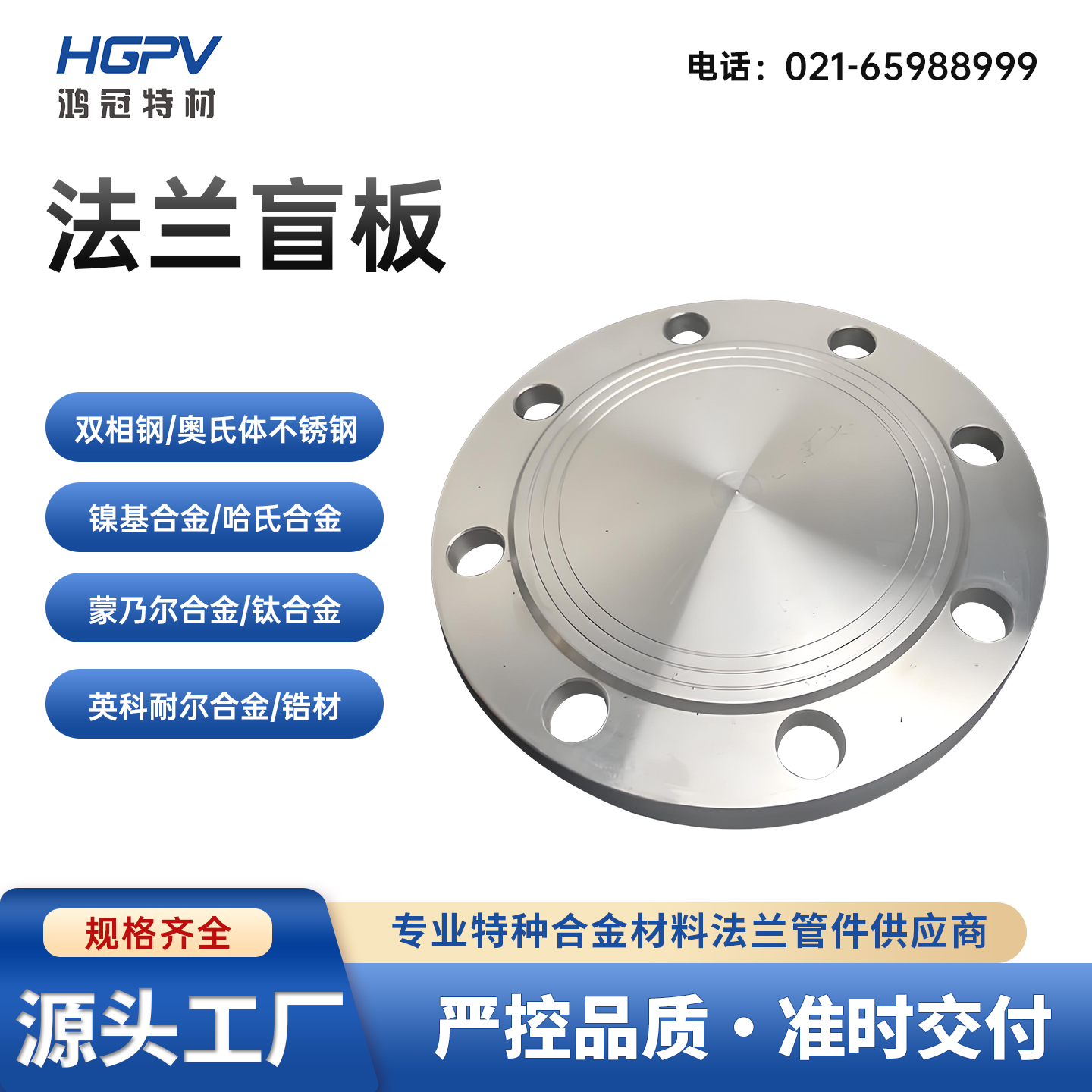
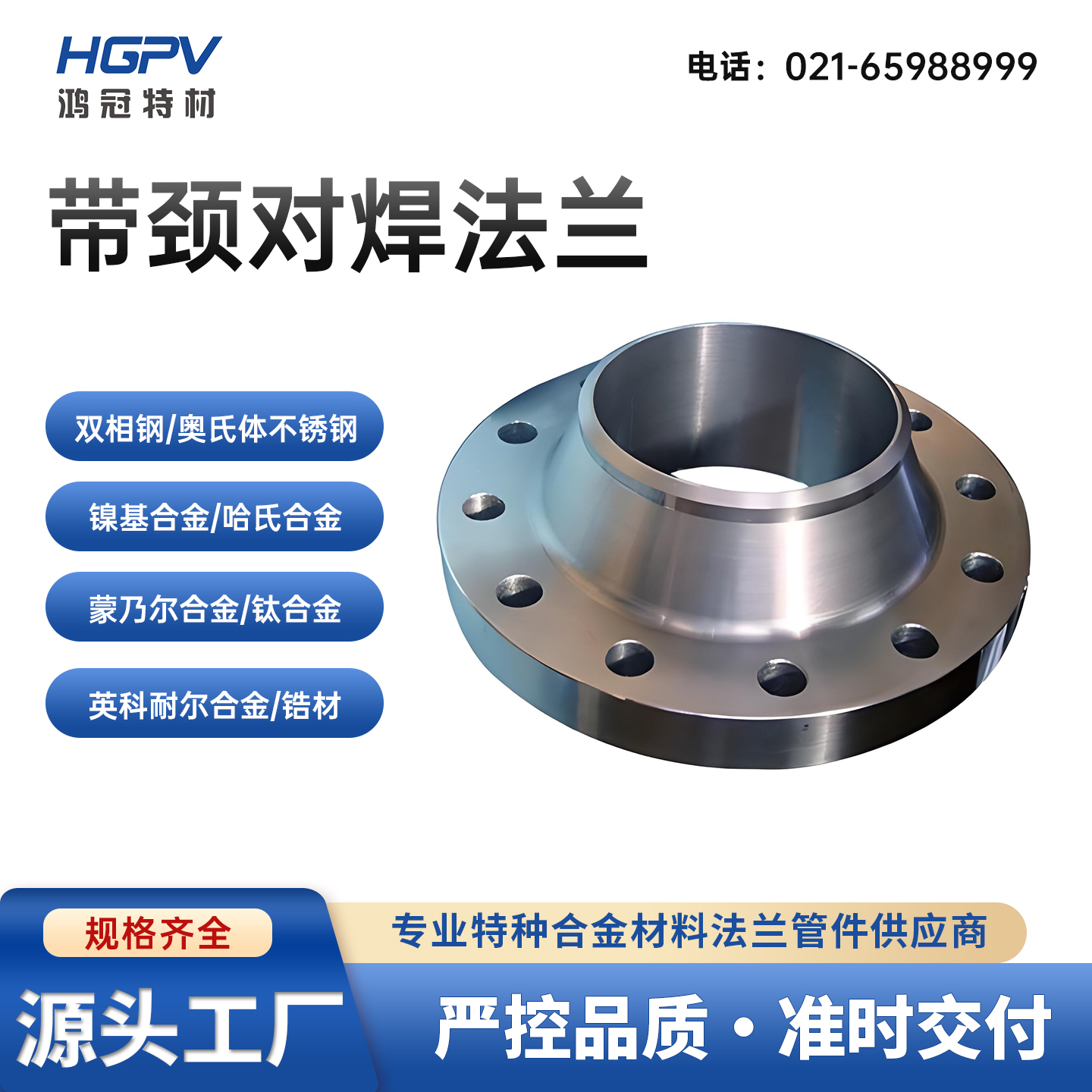
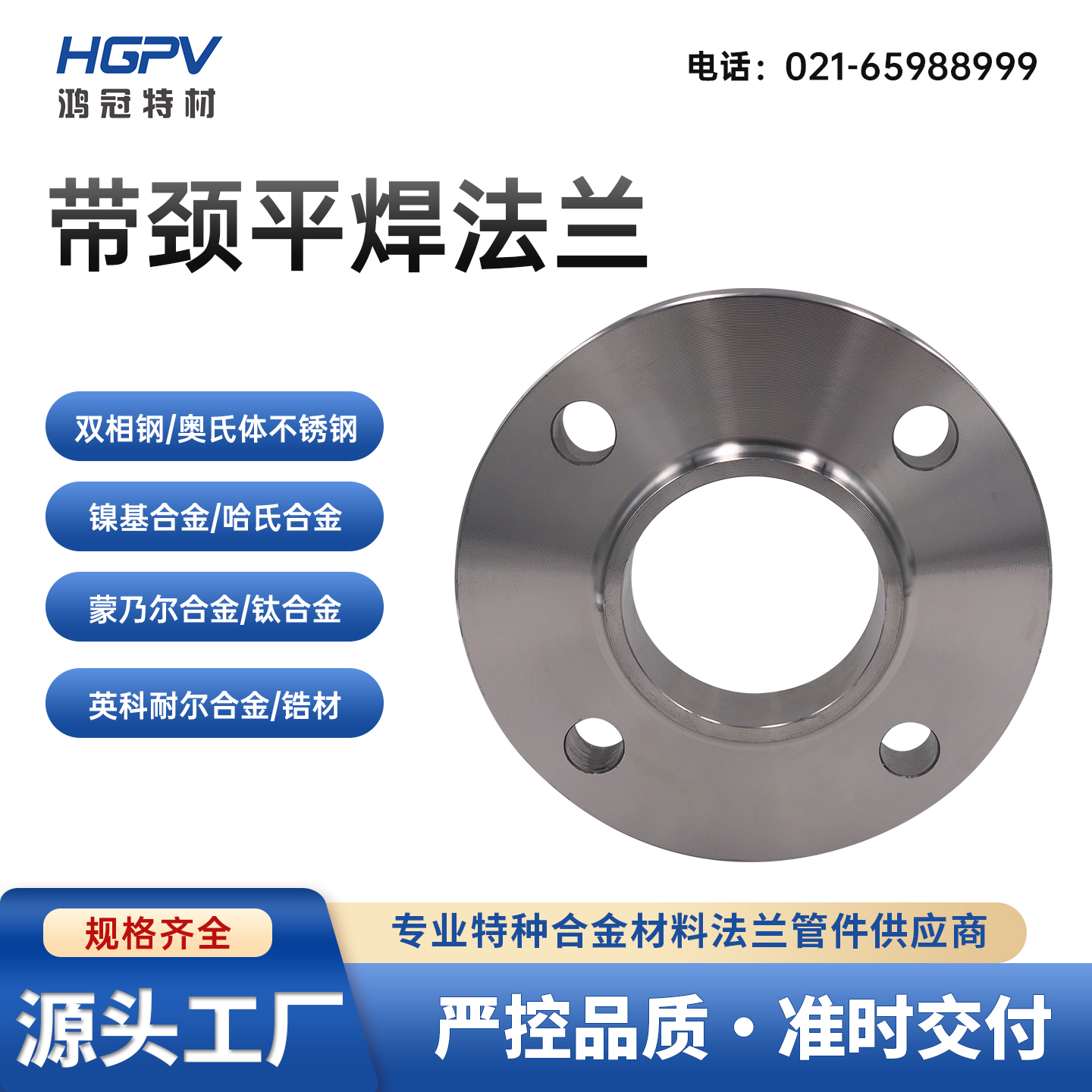
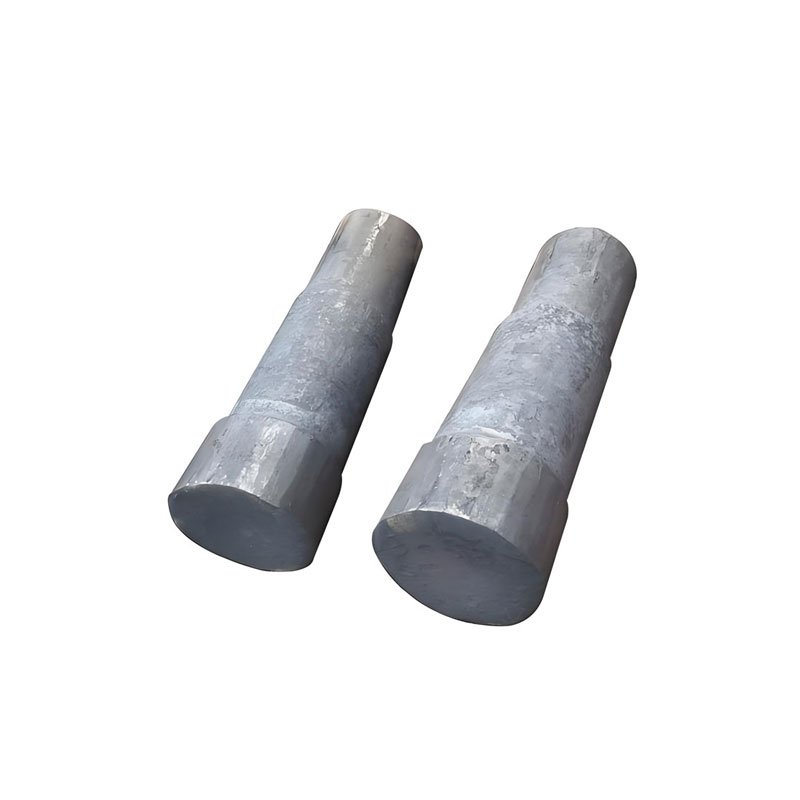
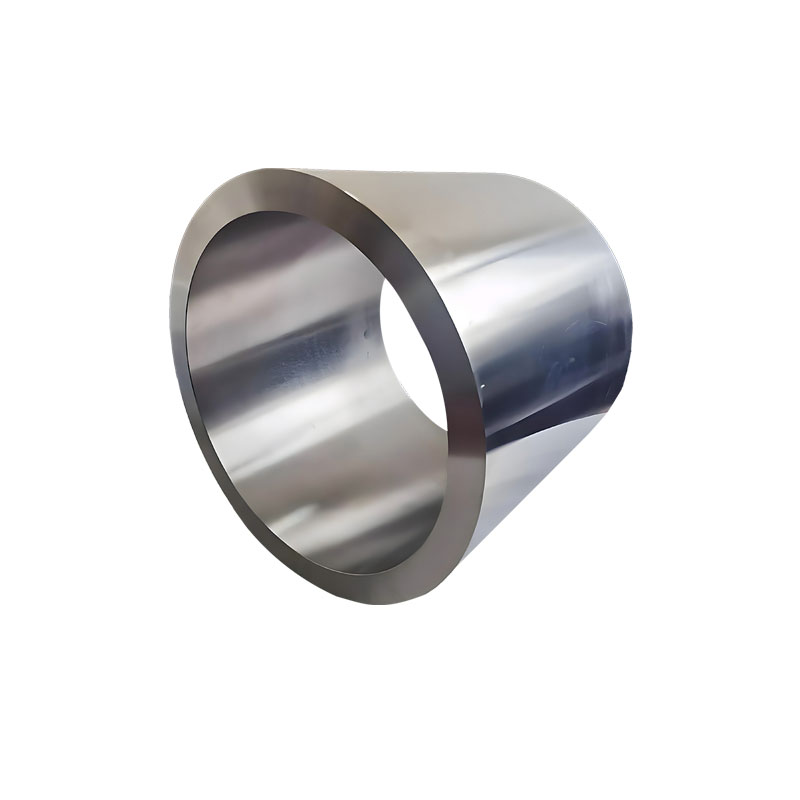
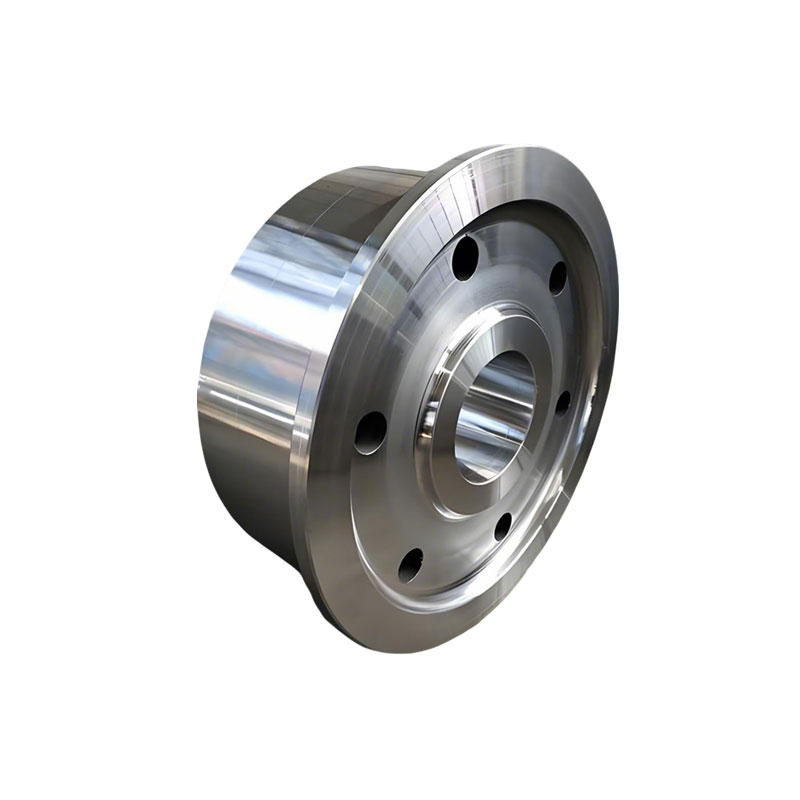
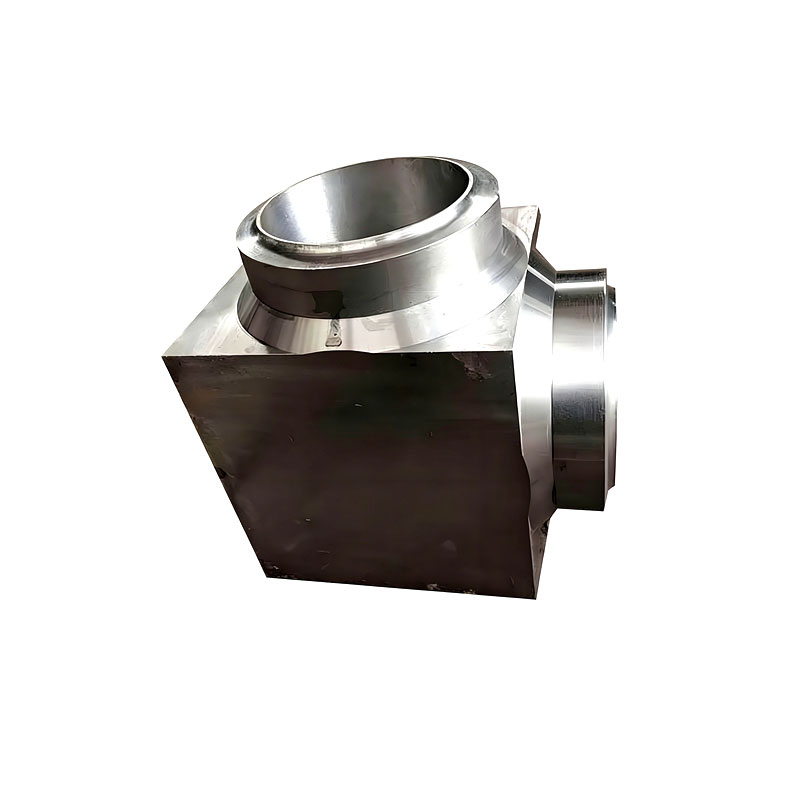
Loose sleeve flange (also known as loose sleeve flange or flanged movable flange) is a type of pipeline accessory that achieves flexible connection through a "loose sleeve" structure. Its core feature is that the flange can rotate, is easy to install and disassemble, and is widely used in pipeline systems that require frequent maintenance or thermal expansion compensation.
Product Features
Rotating design: The flange body is not directly welded to the pipeline, but is fitted onto the flange or steel ring that has already been welded to the pipe, allowing the flange to rotate freely and greatly facilitating bolt hole alignment, reducing installation difficulty.
Easy to disassemble and maintain: During equipment maintenance, cleaning, or replacement, simply loosen the bolts to slide and separate without cutting the pipeline, improving operation and maintenance efficiency.
Save material costs: Flanges can be made of materials different from pipelines (such as carbon steel flanges with stainless steel pipes), especially suitable for precious metal pipeline systems, effectively controlling costs.
Adaptive thermal expansion: capable of absorbing deformation caused by temperature changes in pipelines, reducing stress concentration, and protecting key equipment such as pumps and valves.
Reliable sealing: Although it is a "loose sleeve", static sealing is achieved by tightening the gasket or sealing ring with bolts, and matched with trapezoidal rubber rings or polytetrafluoroethylene sealing rings to ensure no leakage.
Loose flange can be customized with multiple sealing surfaces to match different working conditions:
RF (Raised Face): The most common type that enhances the compression force of gaskets and is suitable for medium voltage systems.
Flat Face (FF): Used for low-pressure, non hazardous media, often paired with cast iron flanges.
Male Female Face (MFM): prevents the gasket from being squeezed out, suitable for high pressure and easily leaking media.
TG (Tongue and Groove): Excellent sealing performance, used for flammable, explosive or toxic media.
Ring Joint (RJ): Metal ring pads are used to achieve line contact sealing, suitable for high temperature and high pressure scenarios.
Loose flange standard
Adhere to multiple international and industry standards to ensure interchangeability and security:
national standard:
GB/T 9112-2000, GB/T 9122-2010: General flange standards in China, covering dimensions, pressure ratings, and sealing surface definitions.
Chemical industry standards:
HG20592-97/HG20615-97: Widely used in chemical plants, supporting American Class and National PN series.
Mechanical industry standards:
JB/T 79-94~JB/T 86-94: Suitable for medium and low pressure industrial pipeline systems.
International standards:
ANSI B16.5/ASME B16.5 (American System): Class 150 to Class 2500, suitable for high pressure conditions.
DIN2573/DIN2576 (German standard): a commonly used European standard that supports PN series pressure ratings.
JIS 5K/10K/16K (Japanese standard): Suitable for the Japanese and Asian markets, 10K ≈ 1.0 MPa.
Dimensions
Nominal diameter (DN): covering DN10 to DN2000 (approximately 3/8 inch); ~78" )Meet the connection requirements from small caliber to oversized pipelines.
Outer diameter range: 75mm~2190mm, bolt hole center circle diameter 50mm~2130mm.
Bolt configuration: The number of bolt holes is 4-48, with a diameter of 11-30mm and thread specifications of M10-M27.
Flange thickness: 12-58mm, increases with pressure level, and can be thicker under high pressure to enhance pressure bearing capacity.
pressure rating
PN system (Europe/China): PN0.25 to PN42.0 (approximately 0.6 to 32 MPa), suitable for working conditions from room temperature to high temperature.
Class system (America): Class 150 to Class 2500, corresponding to the maximum allowable working pressure at different temperatures.
Lb units: commonly ranging from 150Lb to 2500Lb, widely used in industries such as petroleum, chemical, and power.
K units (daily standard): 5K, 10K, 16K, 20K, with 10K ≈ 1.0 MPa, suitable for medium and low pressure systems.
Attention: The fatigue life of loose flange is about 10% of that of welded flange, and it is not suitable for connection parts with severe bending stress or severe vibration.