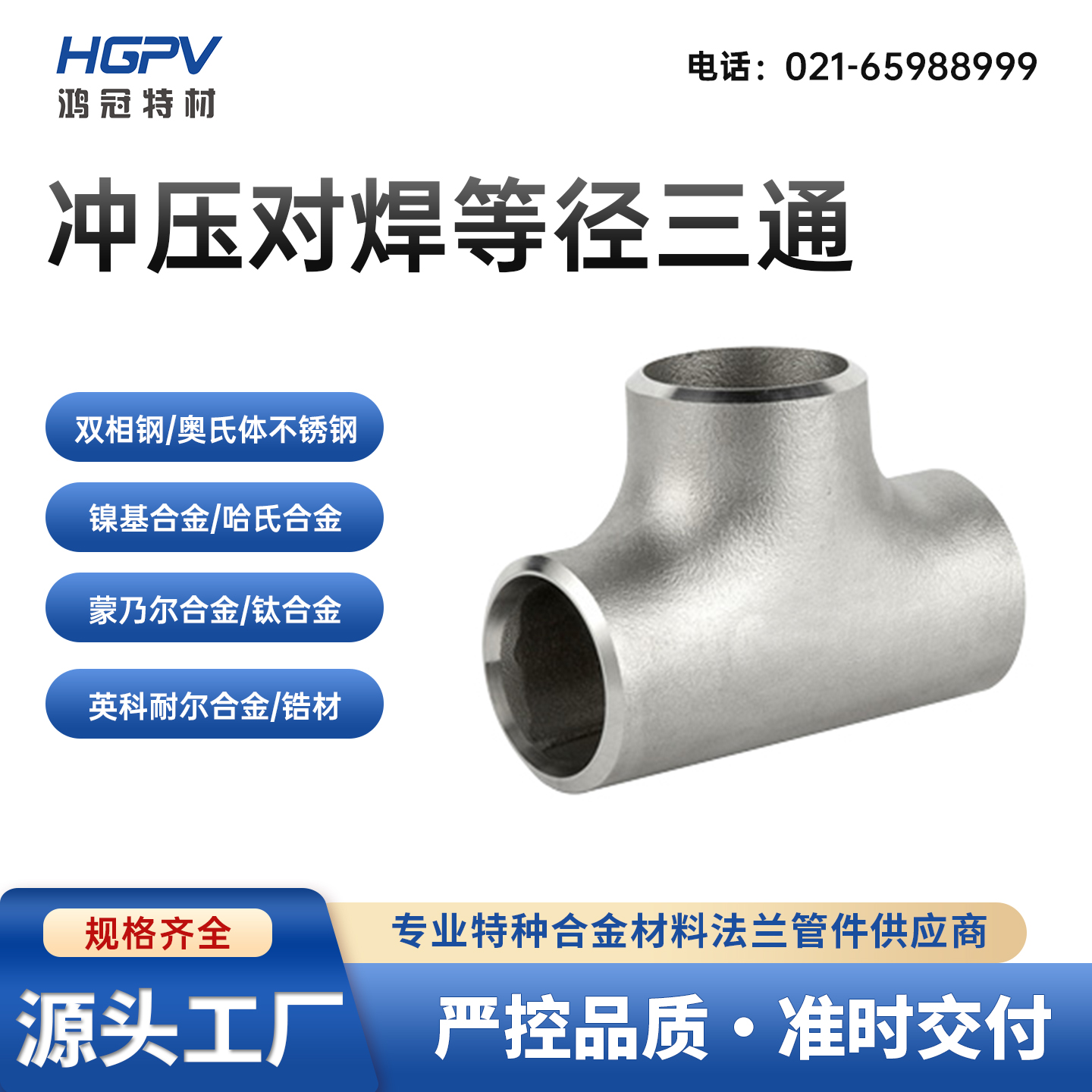
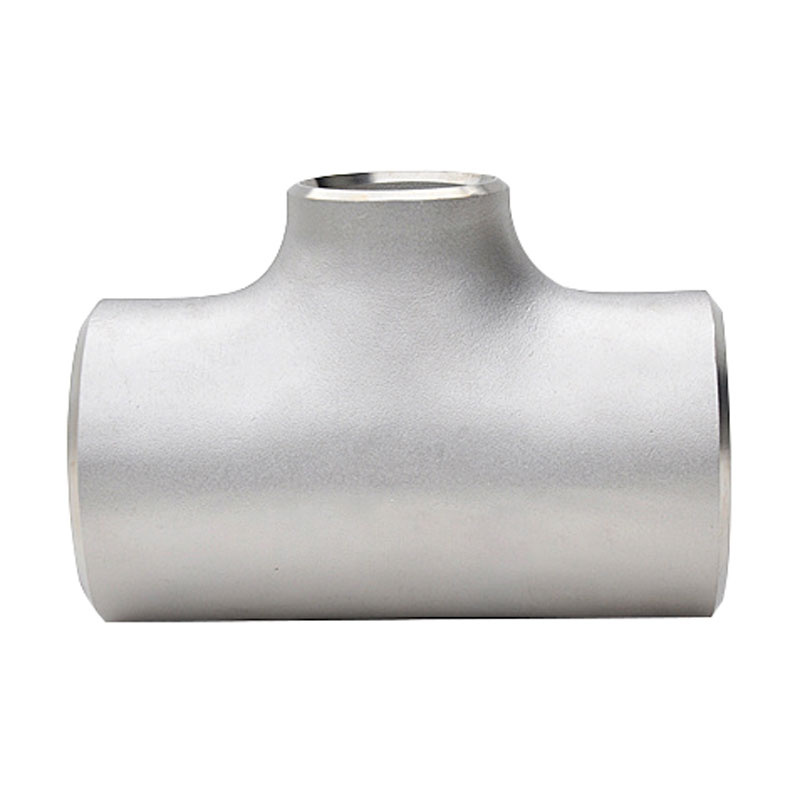
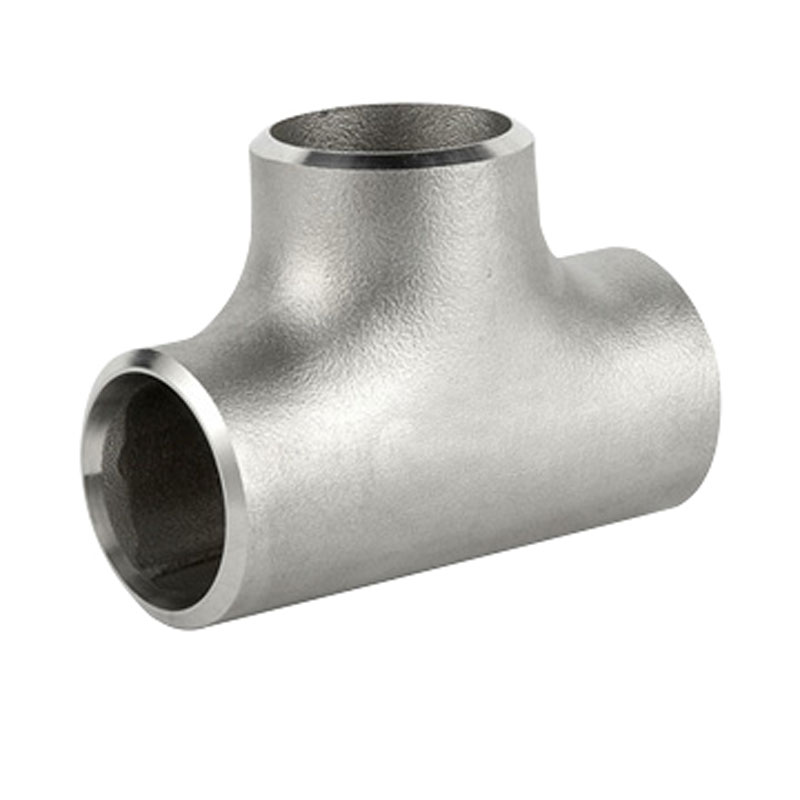
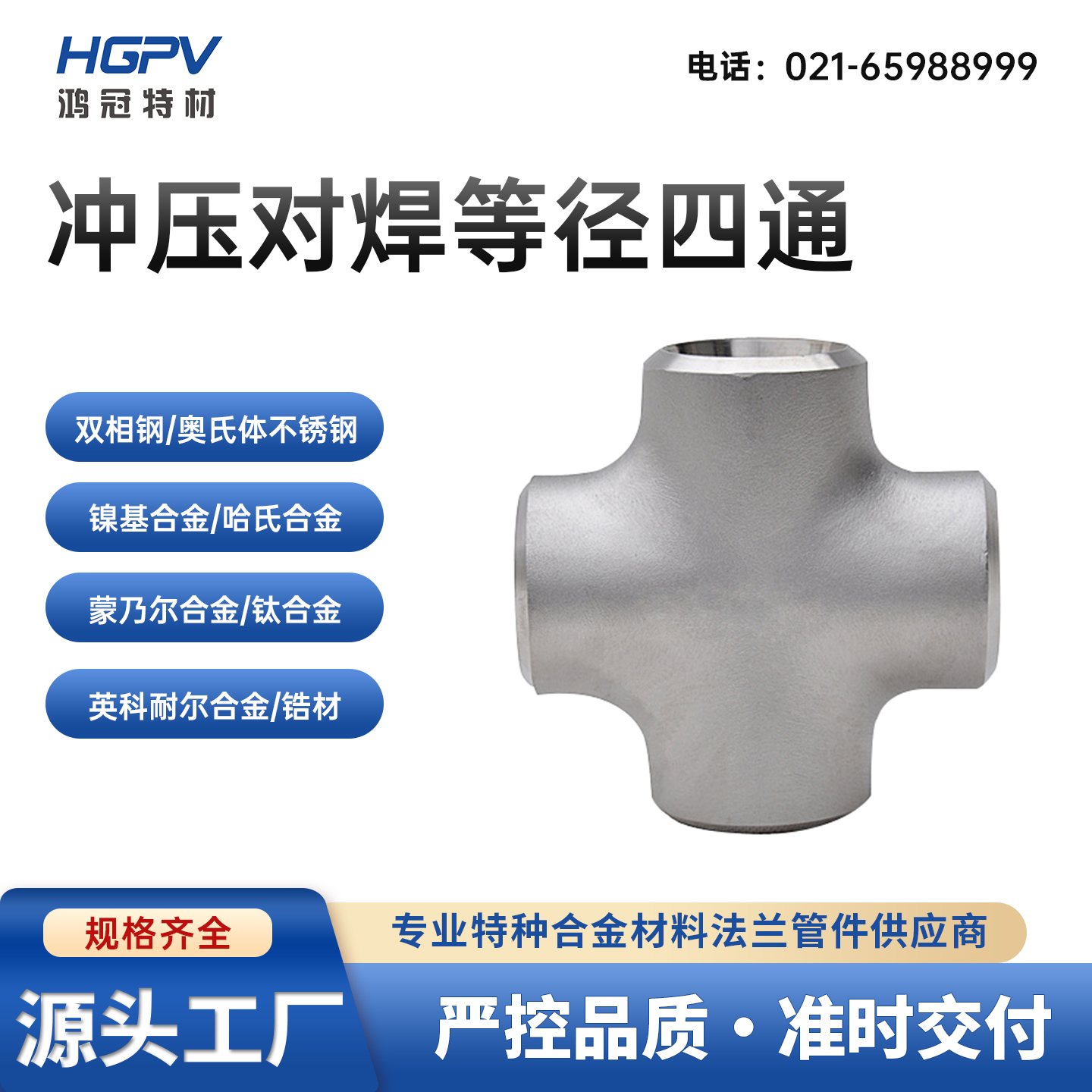
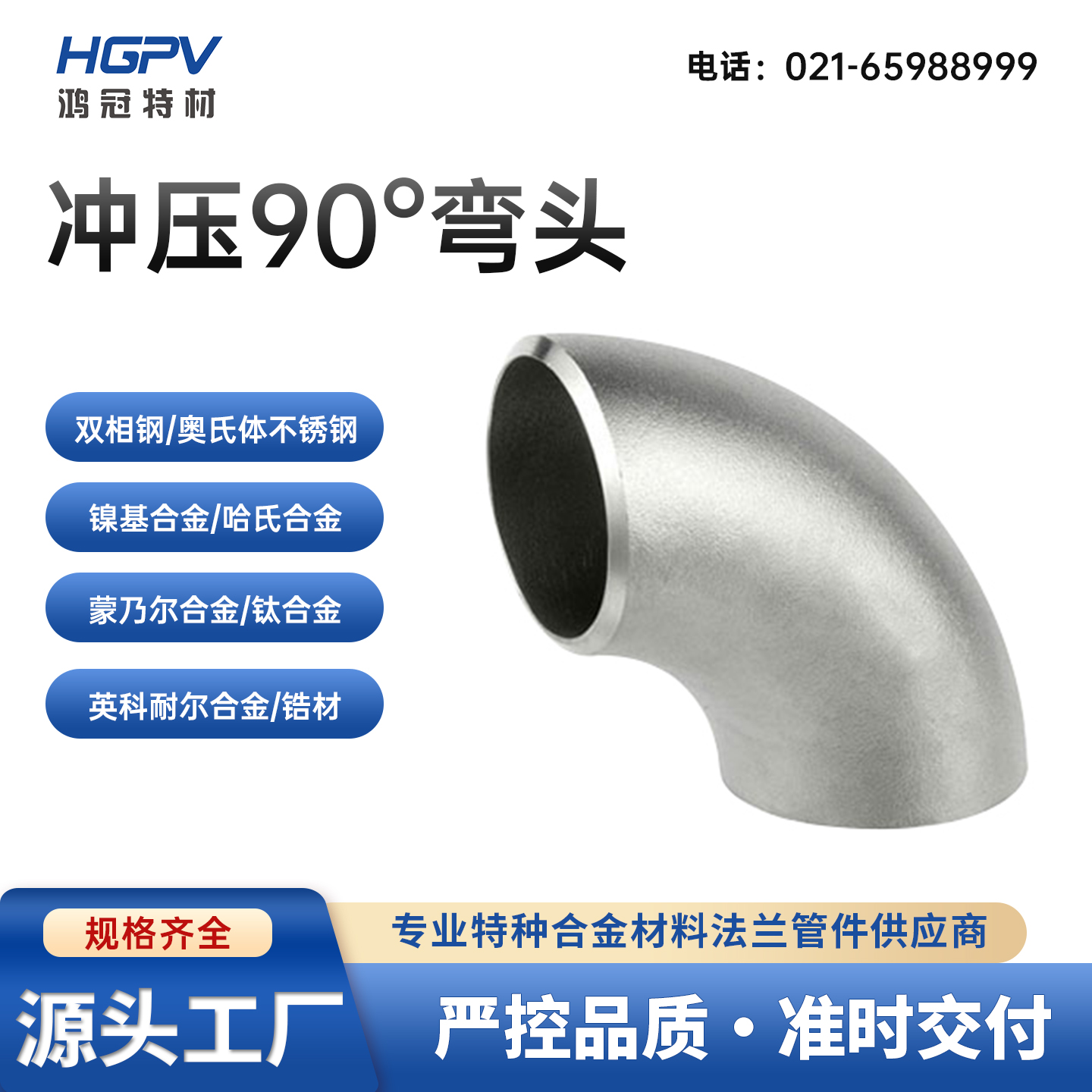
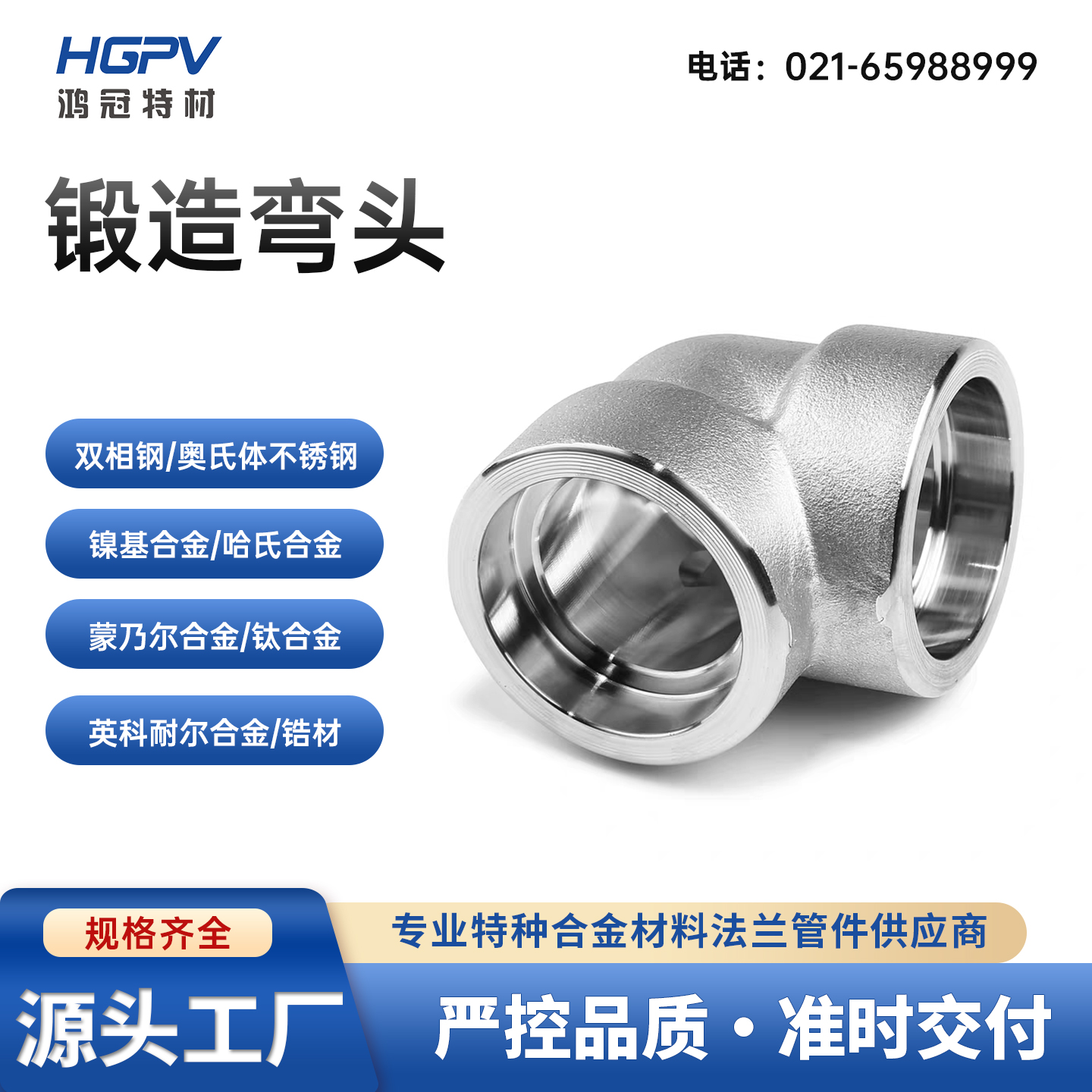
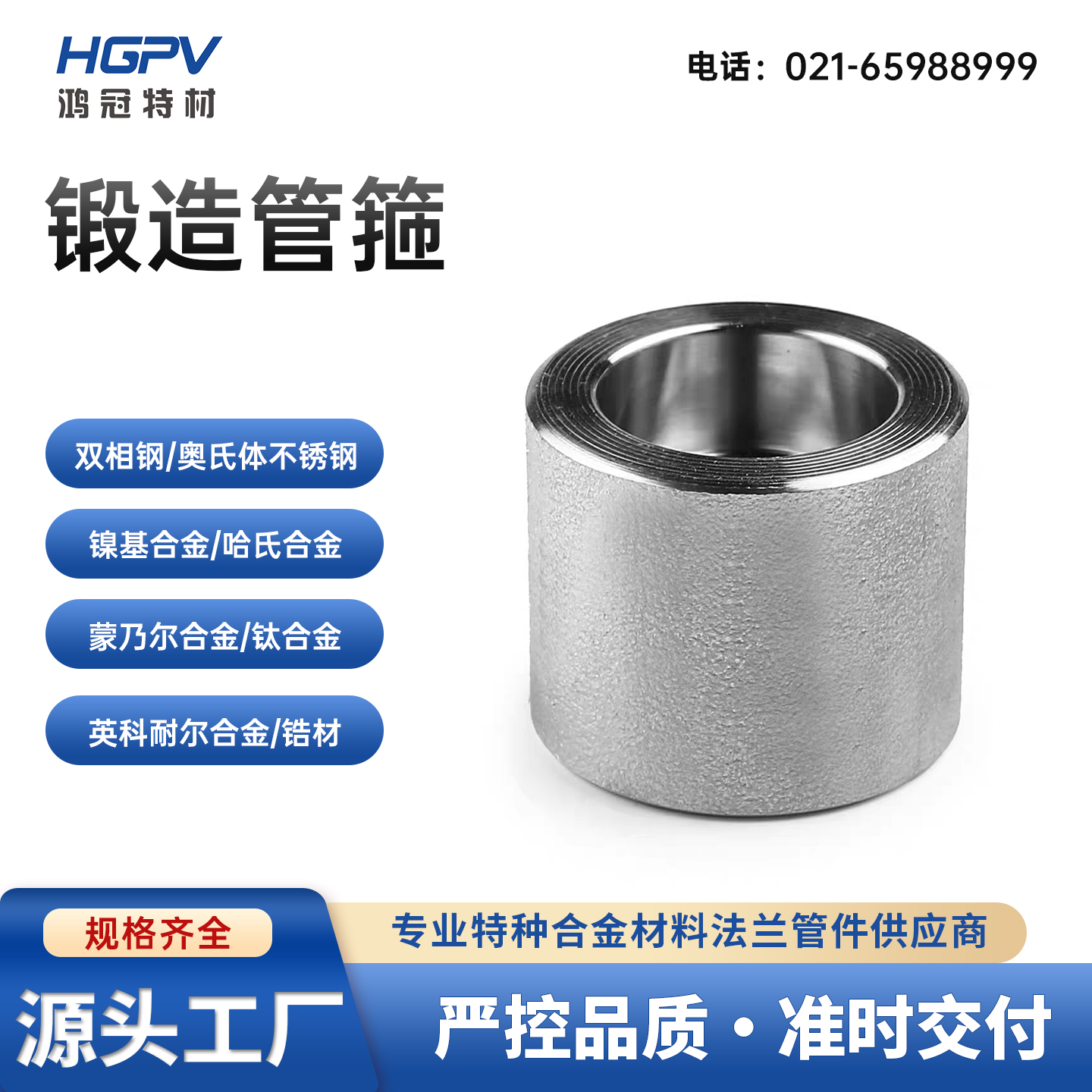
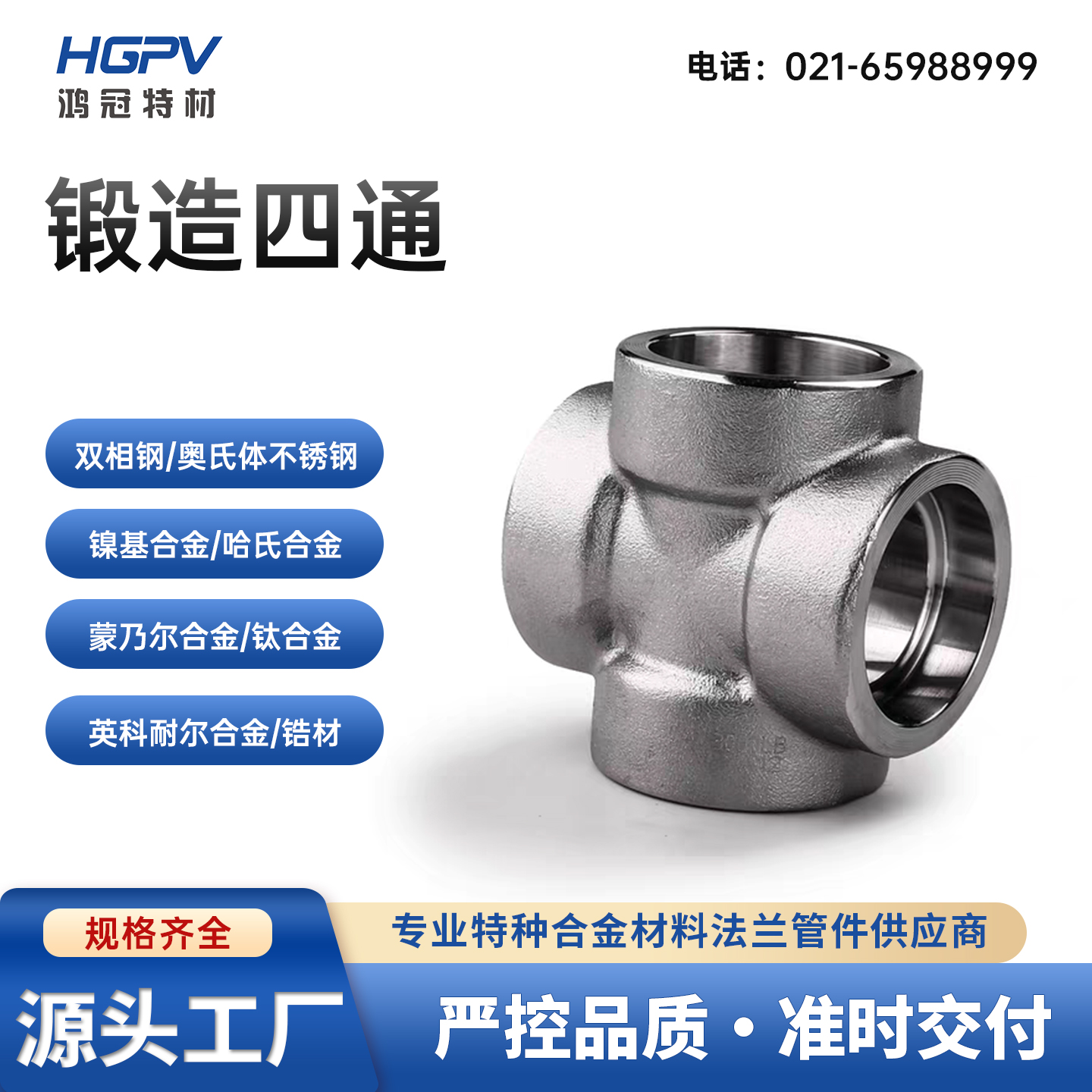
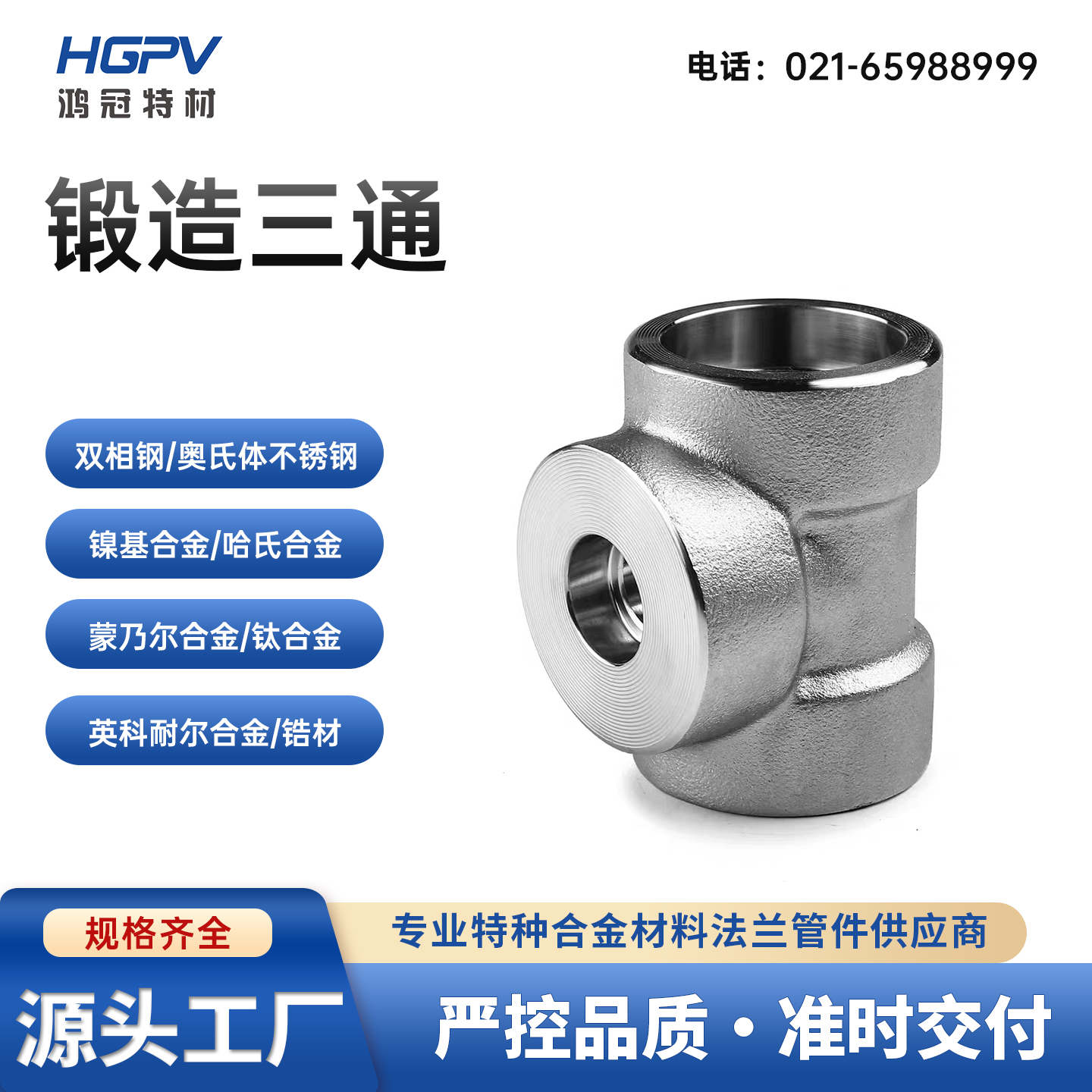
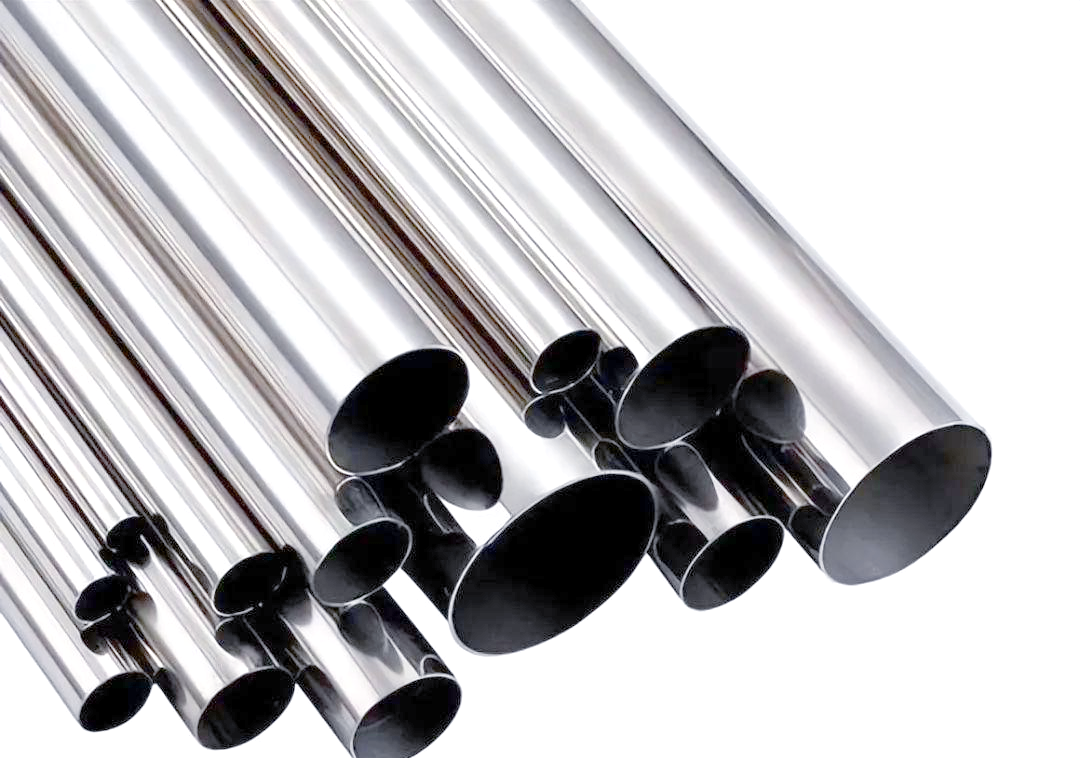
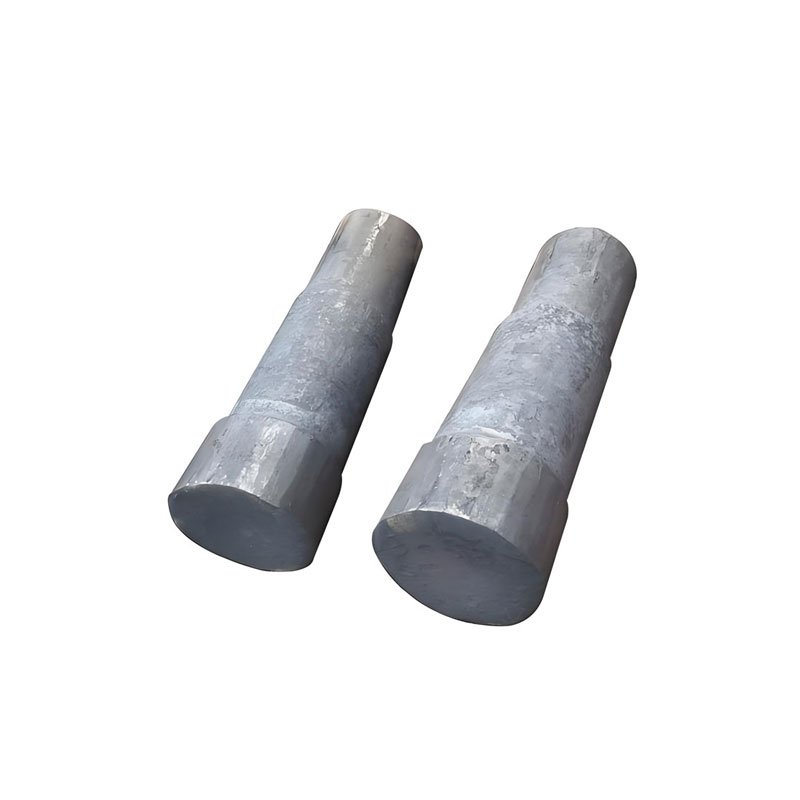
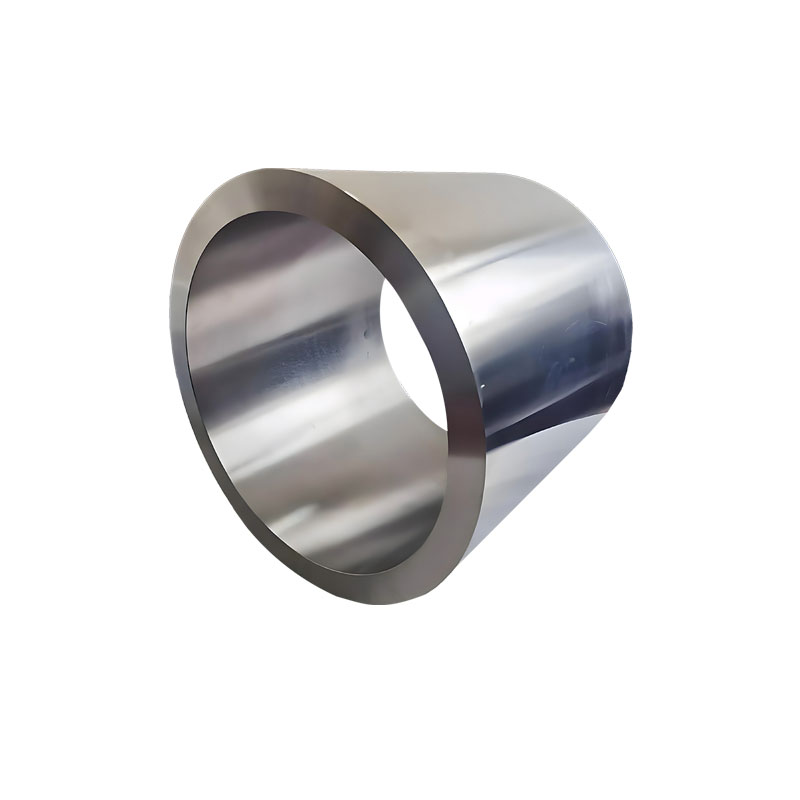
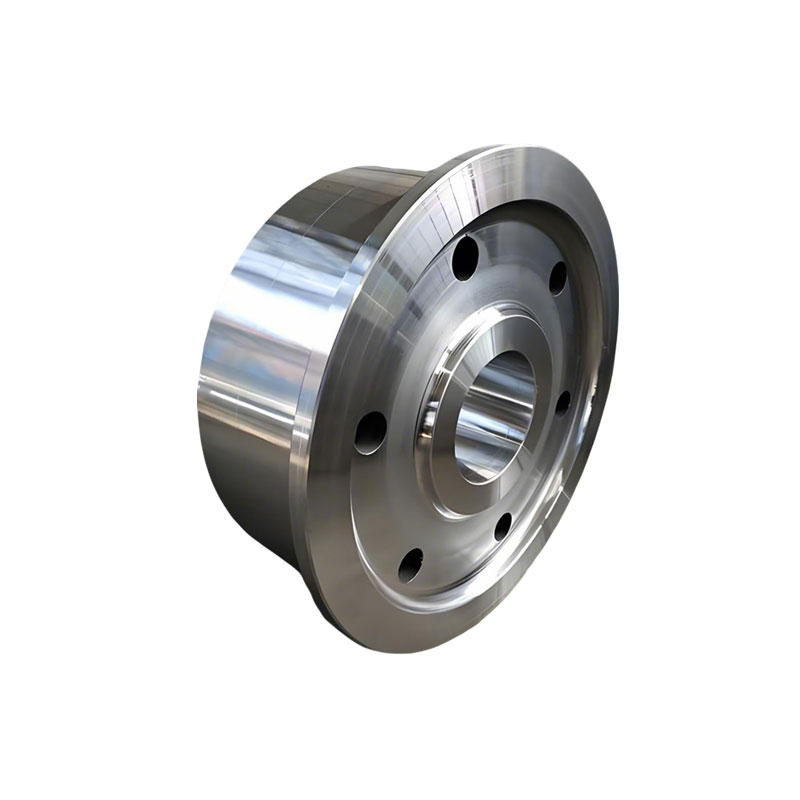
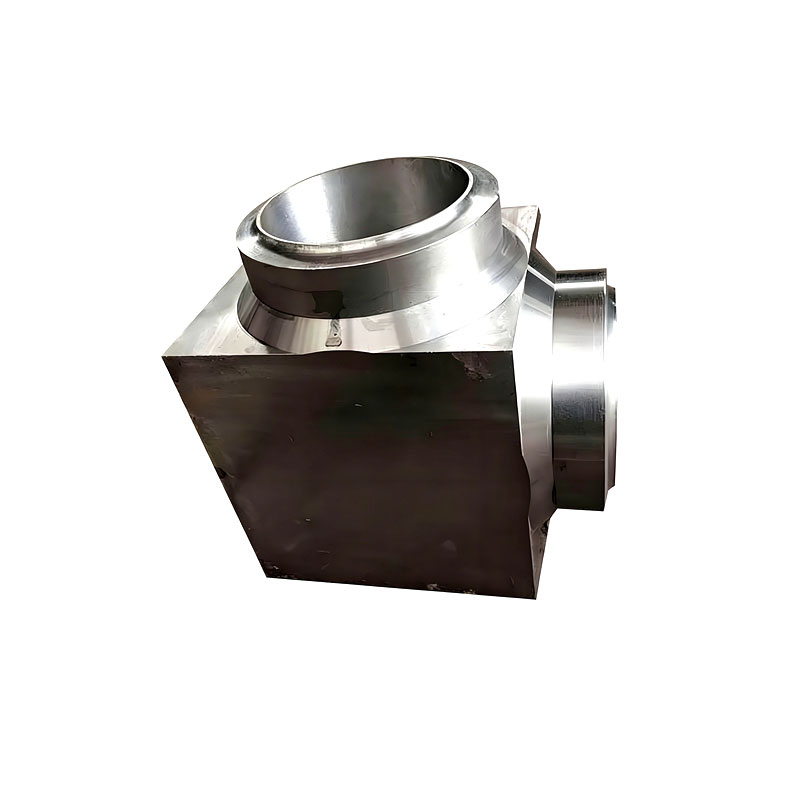
Stamping tee is a type of pipe branch connection formed through stamping technology, which has the advantages of high structural strength, good dimensional accuracy, and low flow resistance. It is widely used in industrial pipeline systems such as petroleum, chemical, power, and construction.
1、 Product Features
One time molding, high strength: using hydraulic bulging or hot pressing forming processes, the seamless structure avoids weak points in the weld seam, the wall thickness at the connection between the main and branch pipes is uniformly increased, and the compressive and fatigue resistance performance is excellent.
High dimensional accuracy: Mold stamping ensures stable external dimensions, with an ellipticity of ≤ 1% and high port parallelism, making it easy to weld and connect on site.
Low fluid resistance: The T-shaped or Y-shaped structure design is reasonable, the inner wall transition is smooth, reducing turbulence and pressure drop, and suitable for transporting high velocity media.
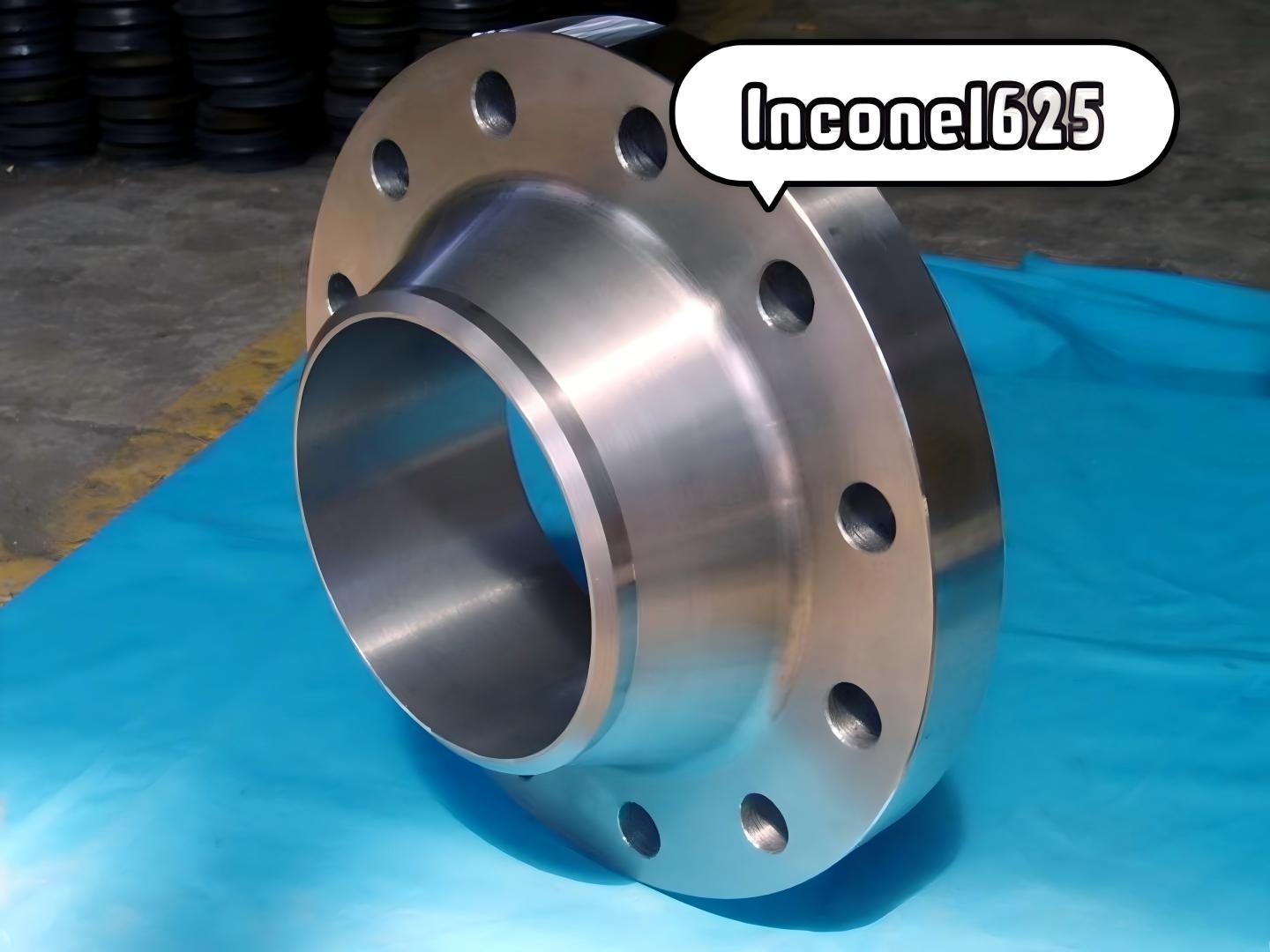
Material diversity and adaptability support customization of various materials, including carbon steel (Q235, 20 #), alloy steel, austenitic stainless steel, duplex steel, titanium alloy, Hastelloy, Monel, Inconel, and special metal customization.
Stainless steel stamped fittings have excellent corrosion resistance and are widely used in industries such as chemical, food, and pharmaceutical; Carbon steel pipe fittings are economical and practical, and are the preferred choice for municipal engineering and ordinary industrial pipelines; Alloy steel pipe fittings can meet the requirements of special working conditions such as high temperature and high pressure.
2、 Execution standards
national standard:
GB/T 12459-2017 "Steel butt welded seamless fittings"
GB/T 13401-2017 "Welded Steel Pipe Fittings"
Industry standards:
SH/T 3408-2021 "Steel butt welded fittings for petrochemical industry"
HG/T 21631-2022 "Steel butt welded fittings (chemical industry)"
International standards:
ASME B16.9 (American standard butt welded pipe fittings)
DIN 2615 (German standard tee)
ISO 3419 (International General Specification for Welded Pipe Parts)
3、 Size specifications
Nominal diameter DN | Common outer diameter (mm) | Branch form | type |
DN15 | 21.3 / 18 | Equal diameter/reduced diameter | T-shaped, Y-shaped |
DN25 | 33.7 / 32 | Equal diameter/reduced diameter | T-shaped, Y-shaped |
DN50 | 60.3 / 57 | Equal diameter/reduced diameter | T-shaped, Y-shaped |
DN100 | 114.3 / 108 | Equal diameter/reduced diameter | T-shaped, Y-shaped |
DN150 | 168.3 / 159 | Equal diameter/reduced diameter | T-shaped, Y-shaped |
Note: Series A refers to ASME outer diameter (60.3mm, etc.), while Series B refers to national/European outer diameter (57mm, etc.); The diameter of the equal diameter tee is the same, while the diameter of the reducing tee branch is smaller than that of the main pipe.
4、 Pressure level
Nominal pressure range: PN1.0MPa~PN420MPa (Sch5s~XXS)
Common level correspondences:
Sch40: Suitable for PN1.6~2.5MPa, conventional water supply and drainage, HVAC systems
Sch80/XS: Suitable for PN4.0~10.0MPa, high-pressure steam and petroleum pipelines
XXS: Suitable for environments with PN above 10.0MPa or strong corrosion, such as nuclear power and deep-sea pipelines
Temperature resistance range:
Carbon steel: -20 ℃~+400 ℃
Stainless steel: -40 ℃~+600 ℃
Alloy steel: up to+650 ℃ (such as 15CrMo)
The actual selection should be based on the design pressure, temperature, and medium characteristics, and strength verification should be carried out according to ASME B31.3 or GB 50316.