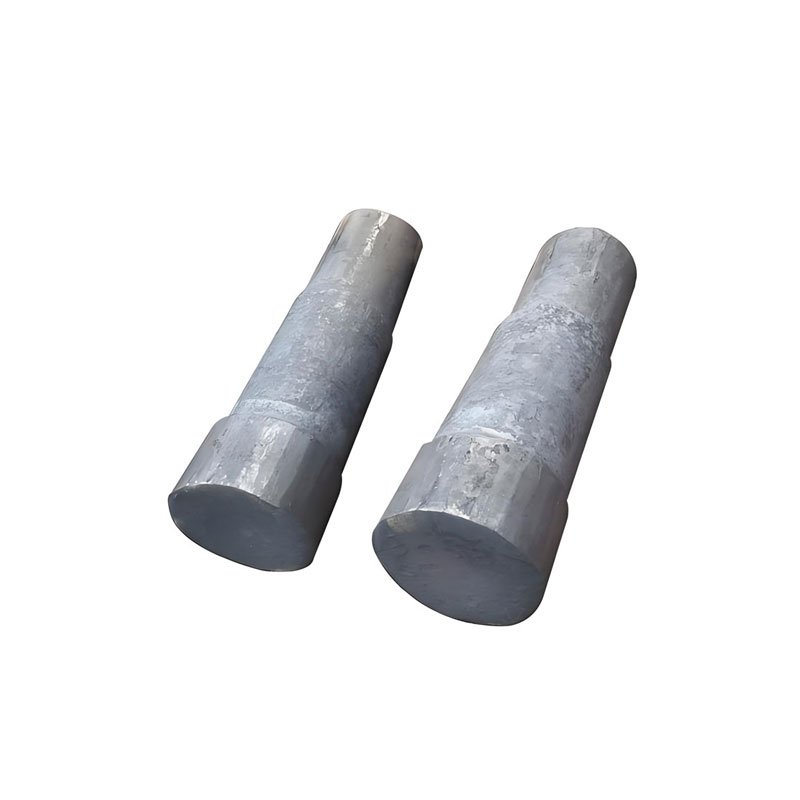
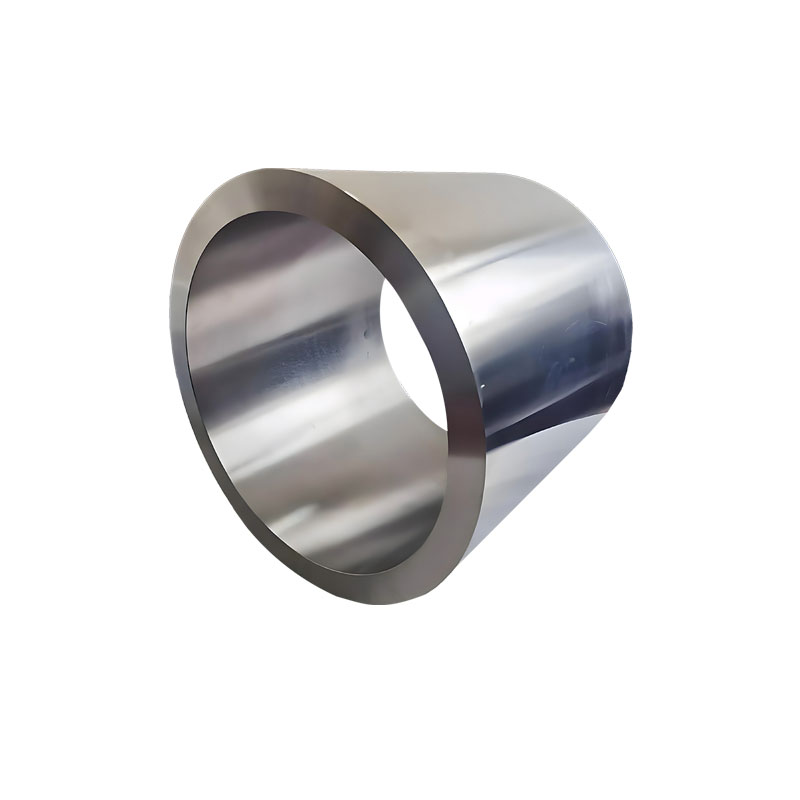
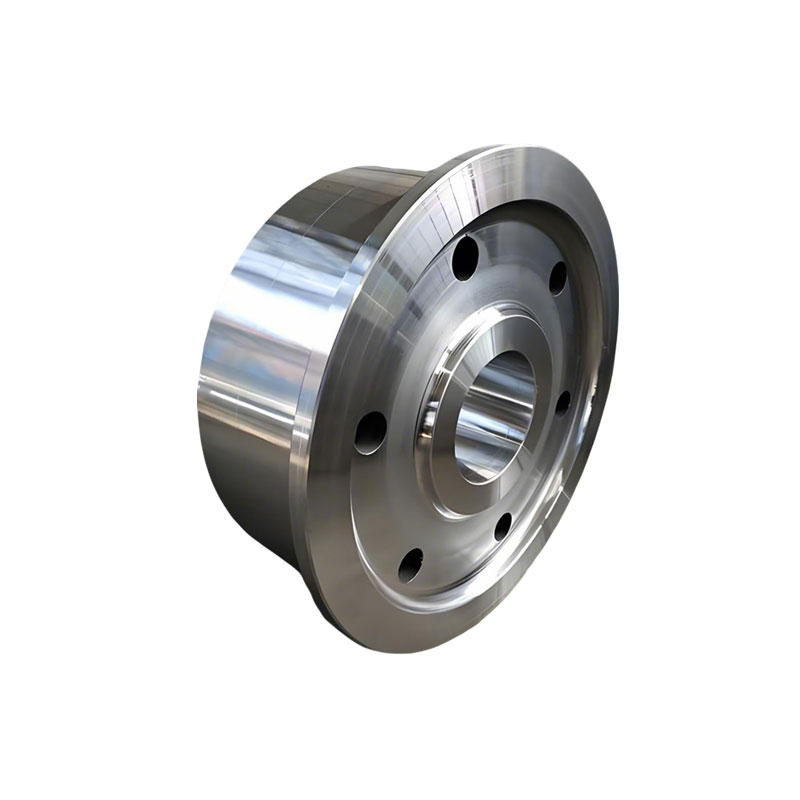
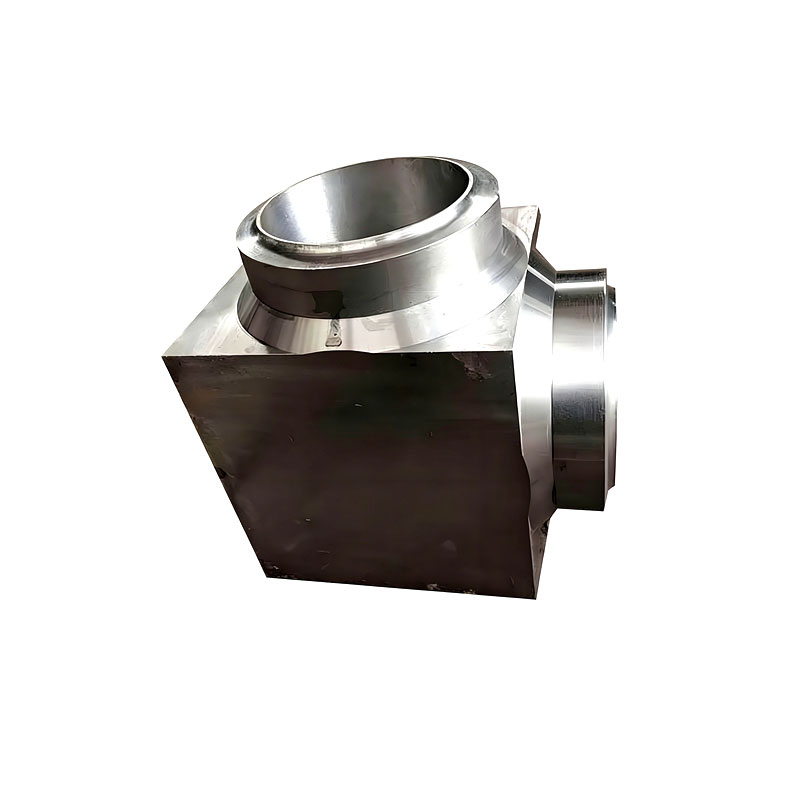
Product Features
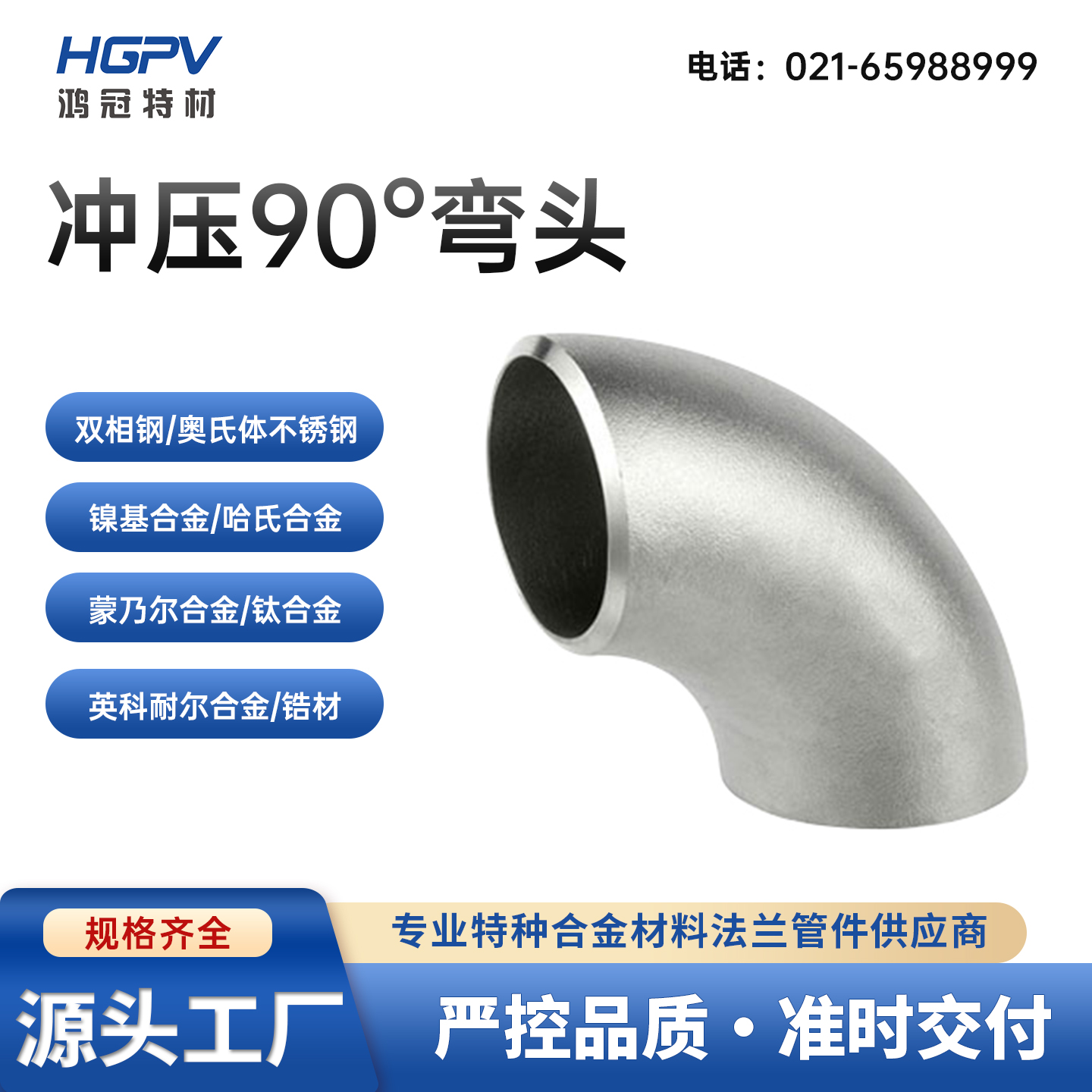
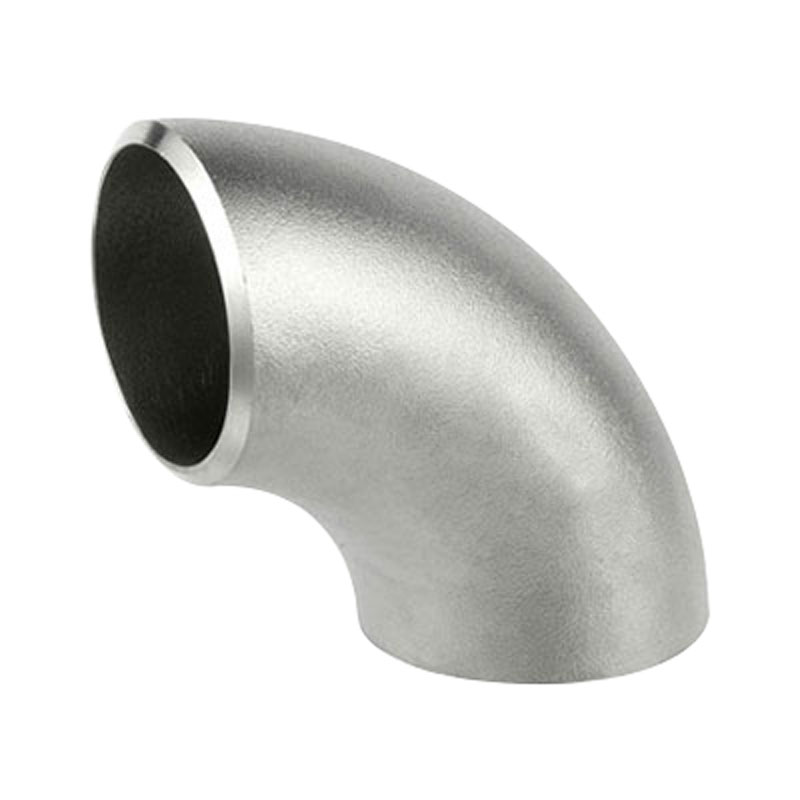
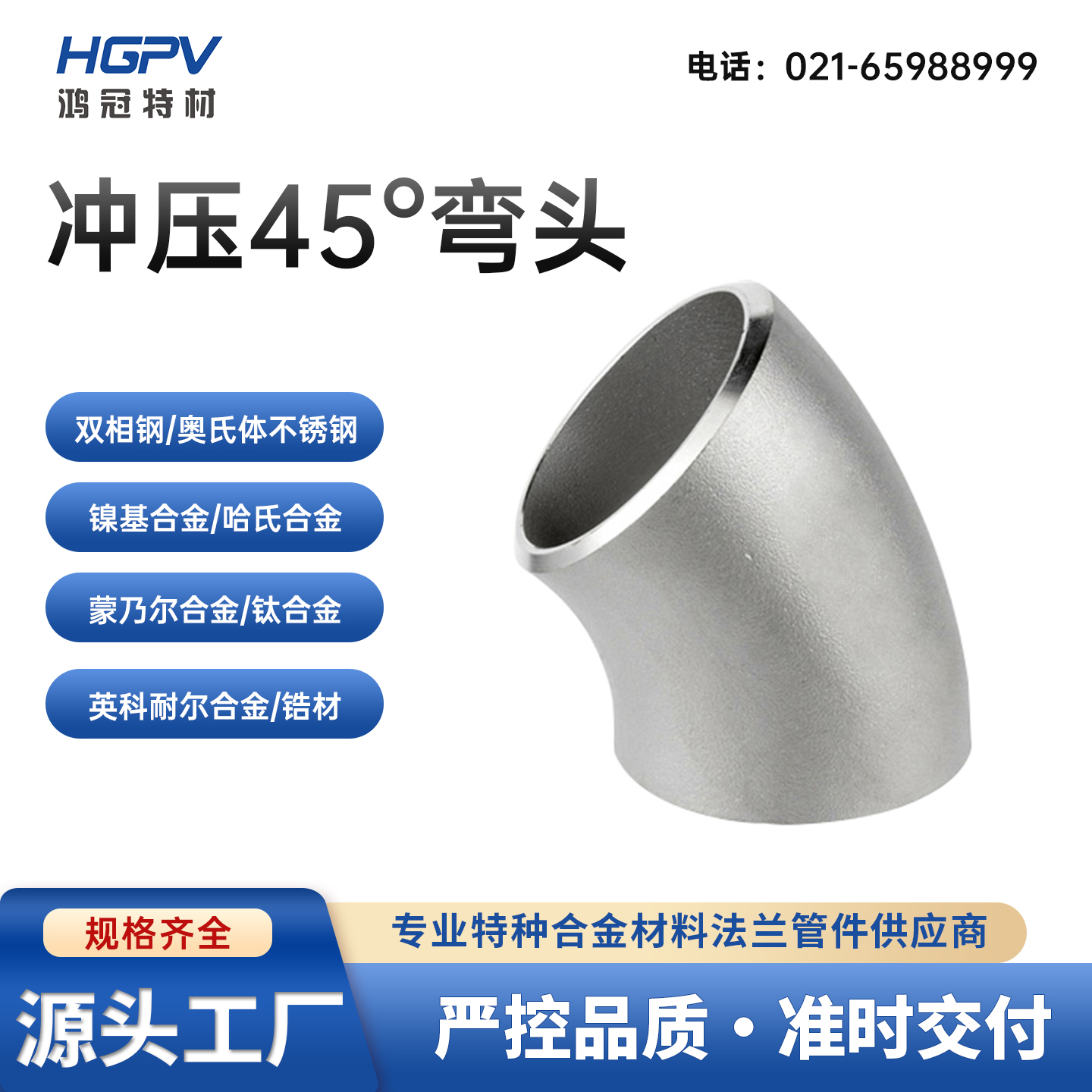
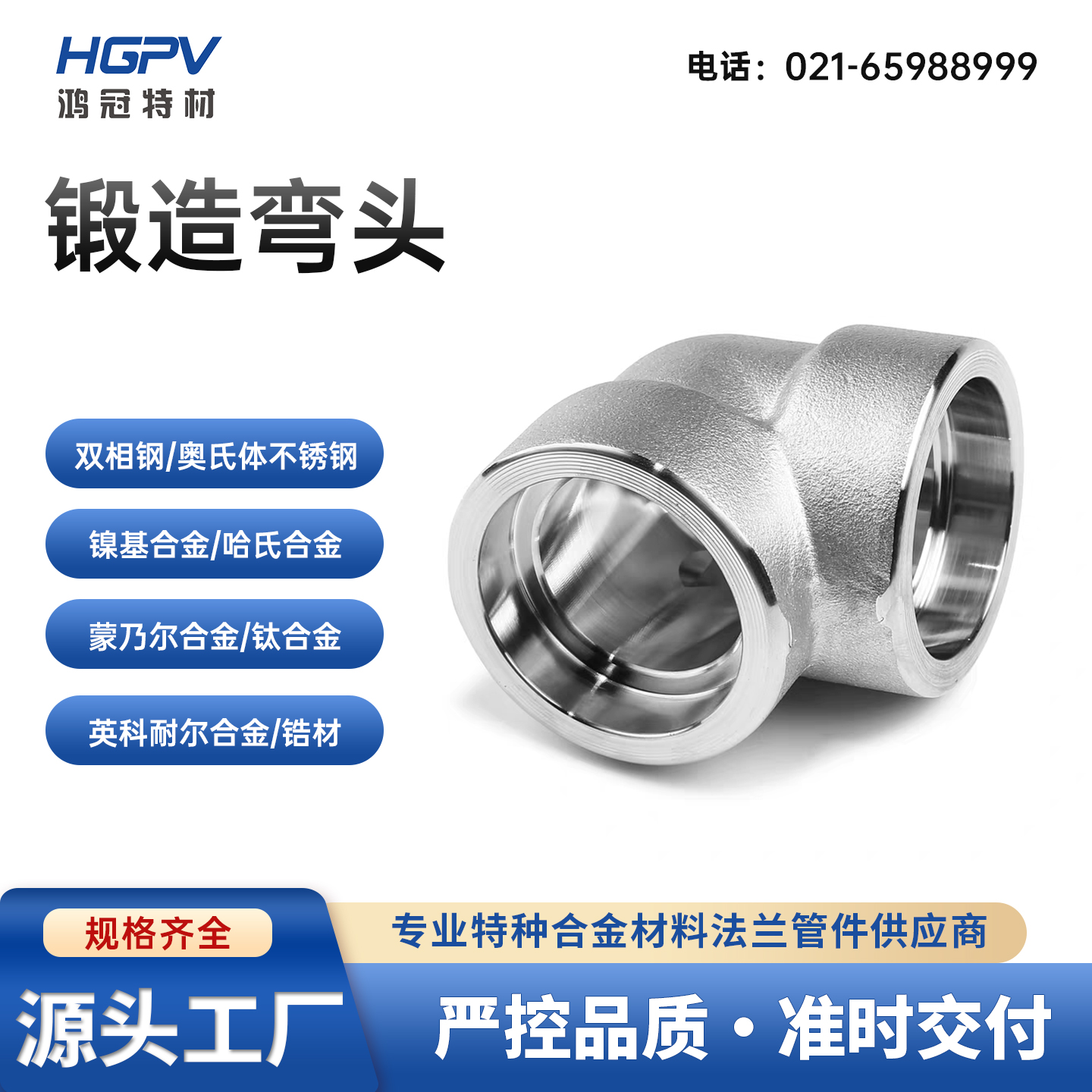
1. Forming process and structural advantages: Stamping 90 ° elbows are formed through cold stamping or hot stamping processes, and the pipes are precisely bent using molds. The metal fibers are continuously distributed along the curvature of the elbow, avoiding weld defects and stress concentration that may occur during welding or casting processes. Cold stamping elbows have high precision and good surface smoothness, suitable for scenarios with strict requirements for appearance and dimensional tolerances; Hot stamping elbows are more suitable for large-diameter and thick walled pipes, with low forming difficulty and significant cost advantages.
2. Material diversity and adaptability support customization of various materials, including carbon steel (Q235, 20 #), alloy steel, austenitic stainless steel, duplex steel, titanium alloy, Hastelloy, Monel, Inconel, and special metal customization. Stainless steel stamped elbows have excellent corrosion resistance and are widely used in industries such as chemical, food, and pharmaceutical; Carbon steel elbows are economical and practical, and are the preferred choice for municipal engineering and ordinary industrial pipelines; Alloy steel elbows can meet the requirements of special working conditions such as high temperature and high pressure.
3. Performance advantages and application scenarios: Stamped elbows have excellent pressure resistance. Conventional products can withstand pressures of 1.6-10MPa, while products treated with special processes can even meet higher pressure conditions. At the same time, its inner wall is smooth, with low fluid resistance, which can reduce energy loss during the medium transportation process. It is suitable for turning and connecting pipeline systems in multiple fields such as water supply and drainage, petroleum, chemical, power, metallurgy, etc. In addition, the installation convenience of stamped elbows is high, which can effectively shorten the construction period.
execution standard
The domestic standard GB/T 12459-2017: "Types and Parameters of Steel Welded Pipe Fittings" is the most widely used standard in China, which specifies the dimensions, tolerances, and technical requirements of steel stamped elbows and is applicable to most industrial and civil pipeline systems.
GB/T 13401-2017: "Steel Plate Welded Pipe Fittings" provides detailed regulations on the material, forming process, and inspection requirements for large-diameter elbows formed by stamping steel plates.
SH/T 3408-2012: "Steel Butt Welding Pipe Fittings" is a specialized standard for the petrochemical industry, which has stricter requirements for the material, pressure rating, and inspection of elbows. It is suitable for pipeline systems with high temperature, high pressure, flammable and explosive media.
International standard ASME B16.9: American Society of Mechanical Engineers standard, covering stamped elbows made of carbon steel, stainless steel and other materials, with corresponding dimensions and pressure ratings to domestic standards, commonly used in export projects or pipeline systems of foreign-funded enterprises.
DIN 2605: German standard, which specifies the series dimensions and technical parameters of stamped elbows, is widely used in the European market and has high requirements for product accuracy and quality control.
JIS B2311: Japanese Industrial Standard, applicable to pipeline systems in Japan and some Southeast Asian countries, with slight differences in size specifications and pressure ratings from international standards.
Dimensions
1. The nominal diameter range of the stamped 90 ° elbow is from DN10 to DN2000, corresponding to a size of 3/8 inch in the imperial system; –80"。 Among them, DN10 to DN100 are mostly formed by cold stamping, while DN100 and above are mainly formed by hot stamping or split stamping to meet the forming needs of large-diameter pipes.
2. Wall thickness and curvature radius wall thickness: Following the pipeline wall thickness series, commonly including Sch20, Sch40, Sch80, Sch160, etc., it needs to be matched with the matching pipeline wall thickness to ensure connection strength and sealing. The thicker the wall, the stronger the pressure resistance of the elbow, but the cost will also increase accordingly. Curvature radius: divided into two types: long radius (R=1.5DN) and short radius (R=1DN). Long radius elbows have low fluid resistance and are more commonly used; Short radius elbows take up less space and are suitable for scenarios with compact pipeline layouts, but they are more sensitive to changes in medium flow rate and pressure, so careful selection is necessary.
3. The main connection method is welded, and some small-diameter elbows can also be connected using socket welding or threaded connections. The sealing and strength of butt welding connections are higher, suitable for high-pressure, high-temperature, and flammable and explosive medium pipelines; Socket welding and threaded connections are easy to install and suitable for low-pressure and room temperature scenarios.
pressure rating
Domestic PN systems PN1.6, PN2.5, PN4.0, PN6.3, PN10.0: These are conventional pressure levels that cover most industrial and civilian pipeline systems and are suitable for the transportation of general media.
PN16.0 and above: Belonging to the high pressure category, thick walled pipes need to be stamped and formed, and the process accuracy must be strictly controlled. It is suitable for high pressure working conditions such as petrochemical and power industries, such as steam pipelines, oil and gas transmission pipelines, etc.
The international Class system corresponds to the domestic PN system, with common grades including * * Class150 (≈ PN2.0), Class300 (≈ PN5.0), Class600 (≈ PN11.0) * *, etc. The allowable working pressure of different materials at different temperatures should refer to the temperature pressure rating in the standard to ensure the safe operation of the pipeline system.
The higher the pressure level, the thicker the required pipe wall thickness, and the higher the material strength requirements. For example, PN10.0 carbon steel elbows require Sch80 wall thickness pipes, while PN16.0 stainless steel elbows require Sch160 wall thickness or higher specifications. When selecting stamped elbows, it is necessary to match the material, wall thickness, and pressure rating reasonably according to the actual working conditions