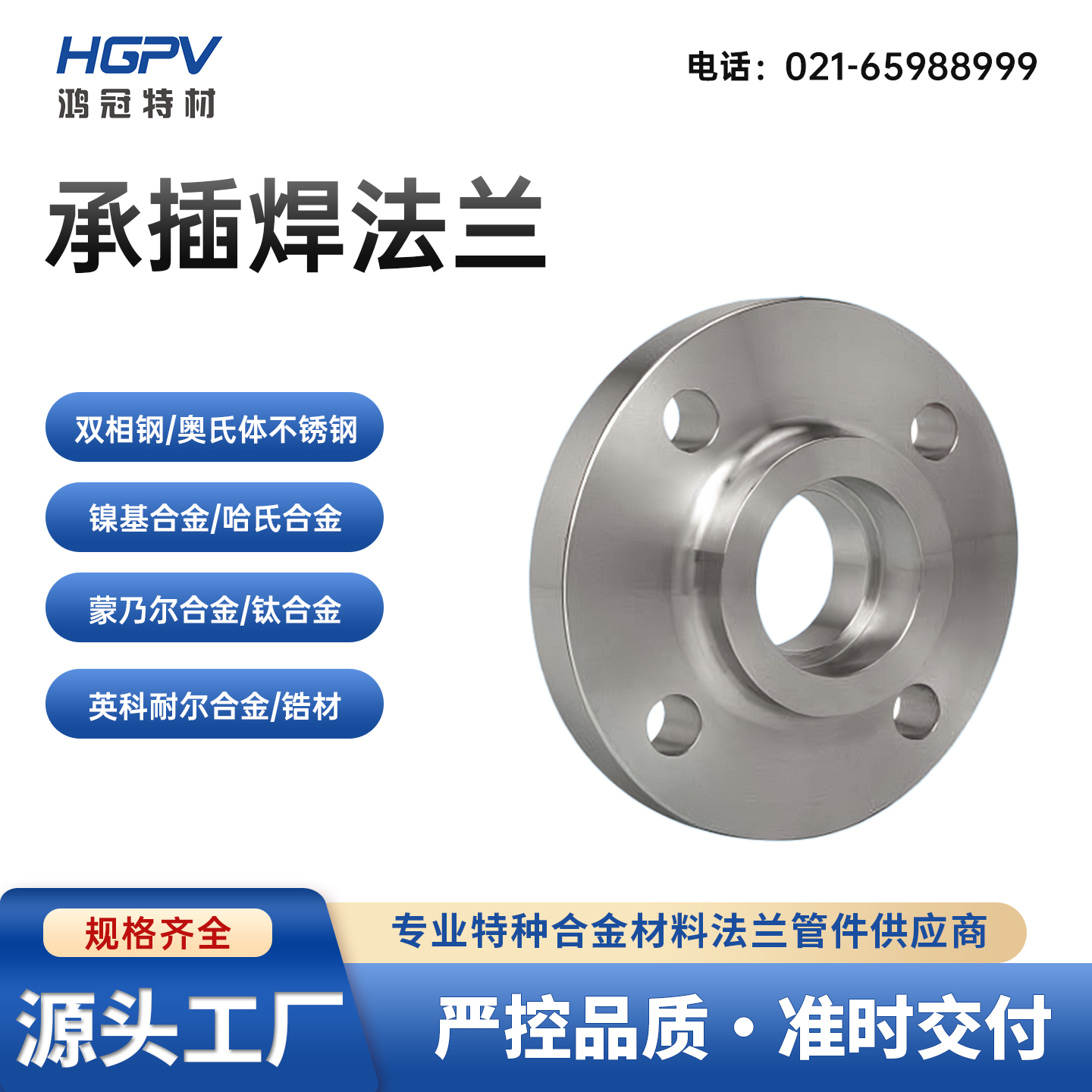
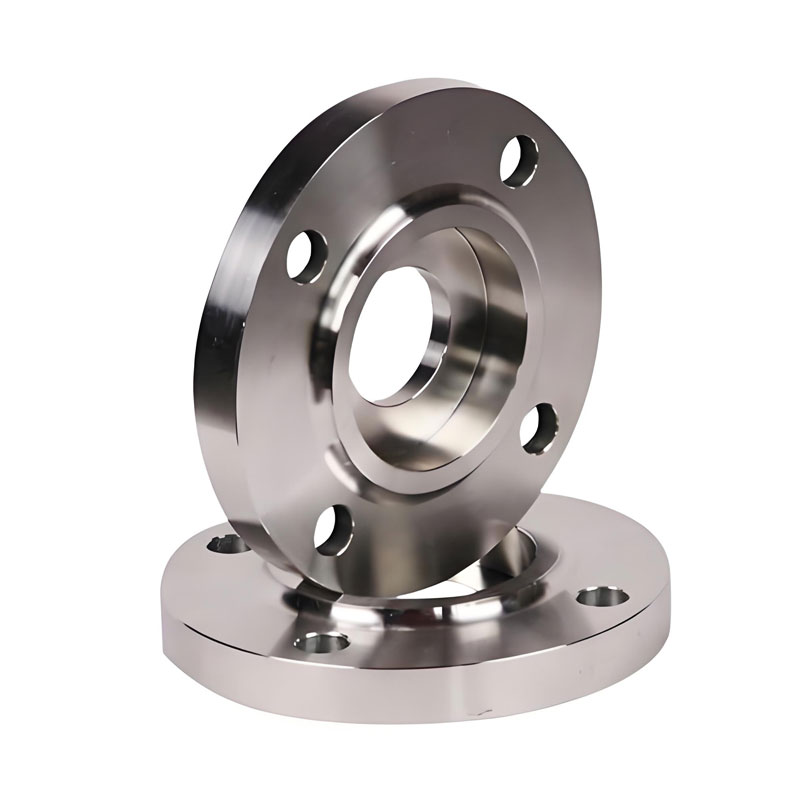
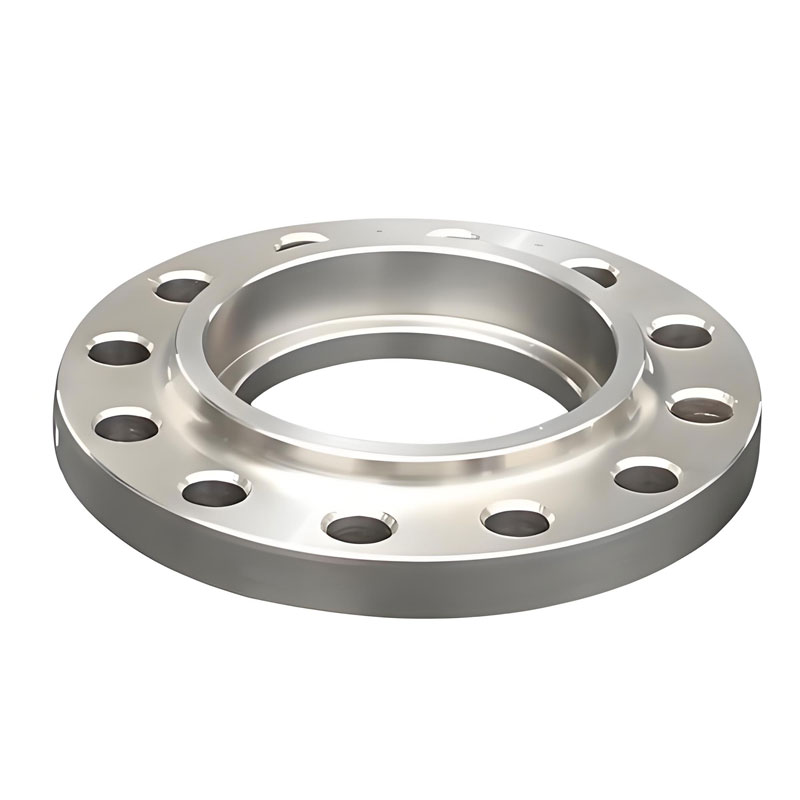
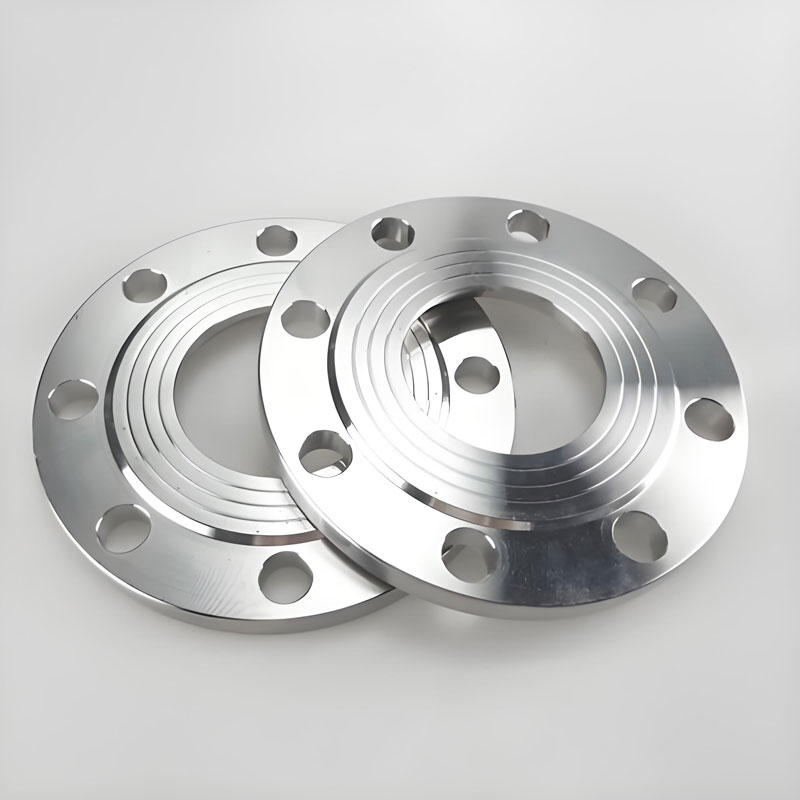
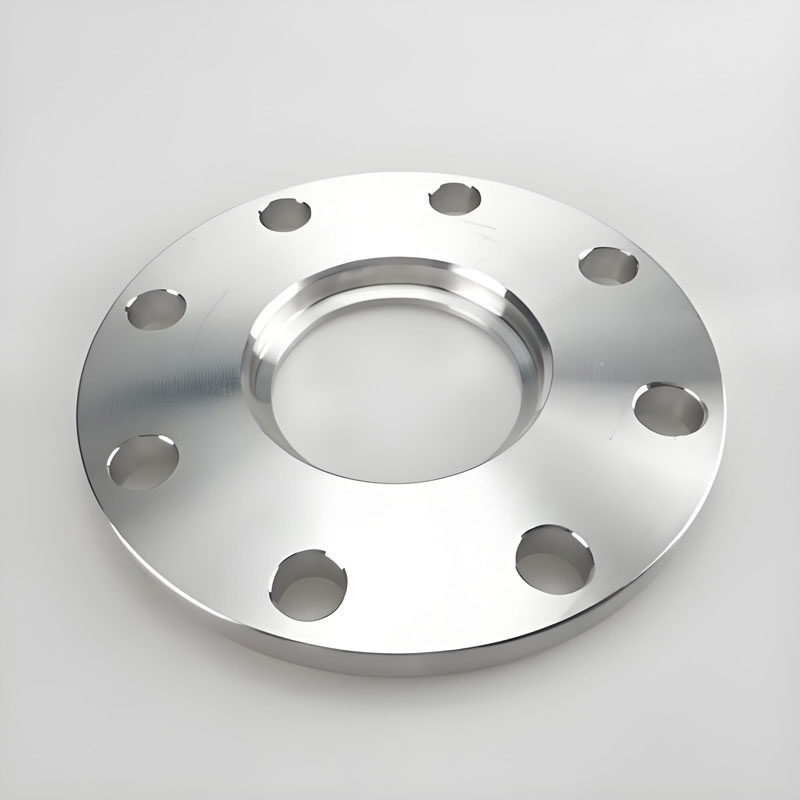
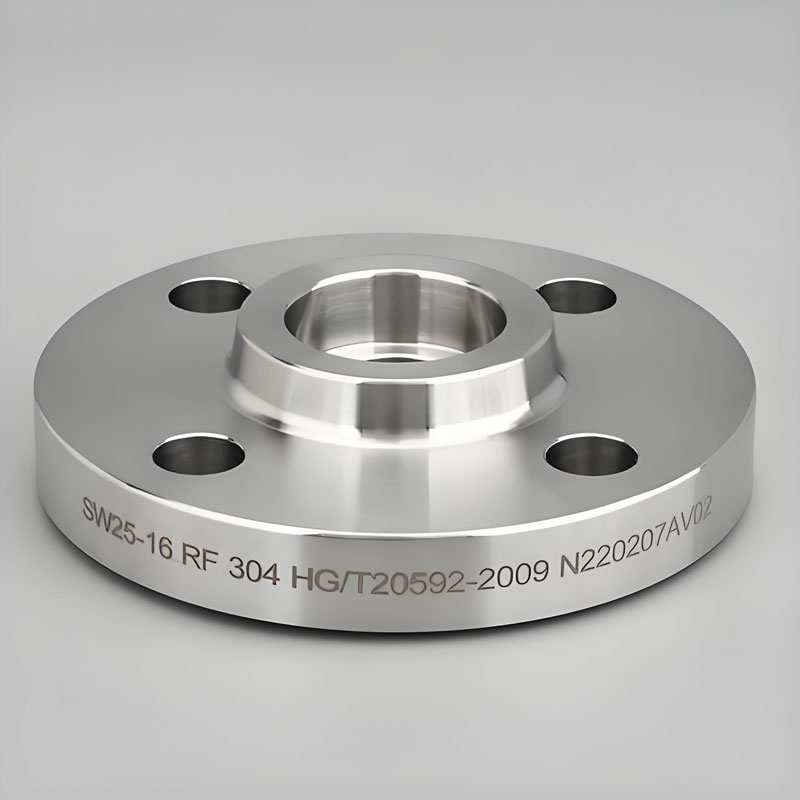
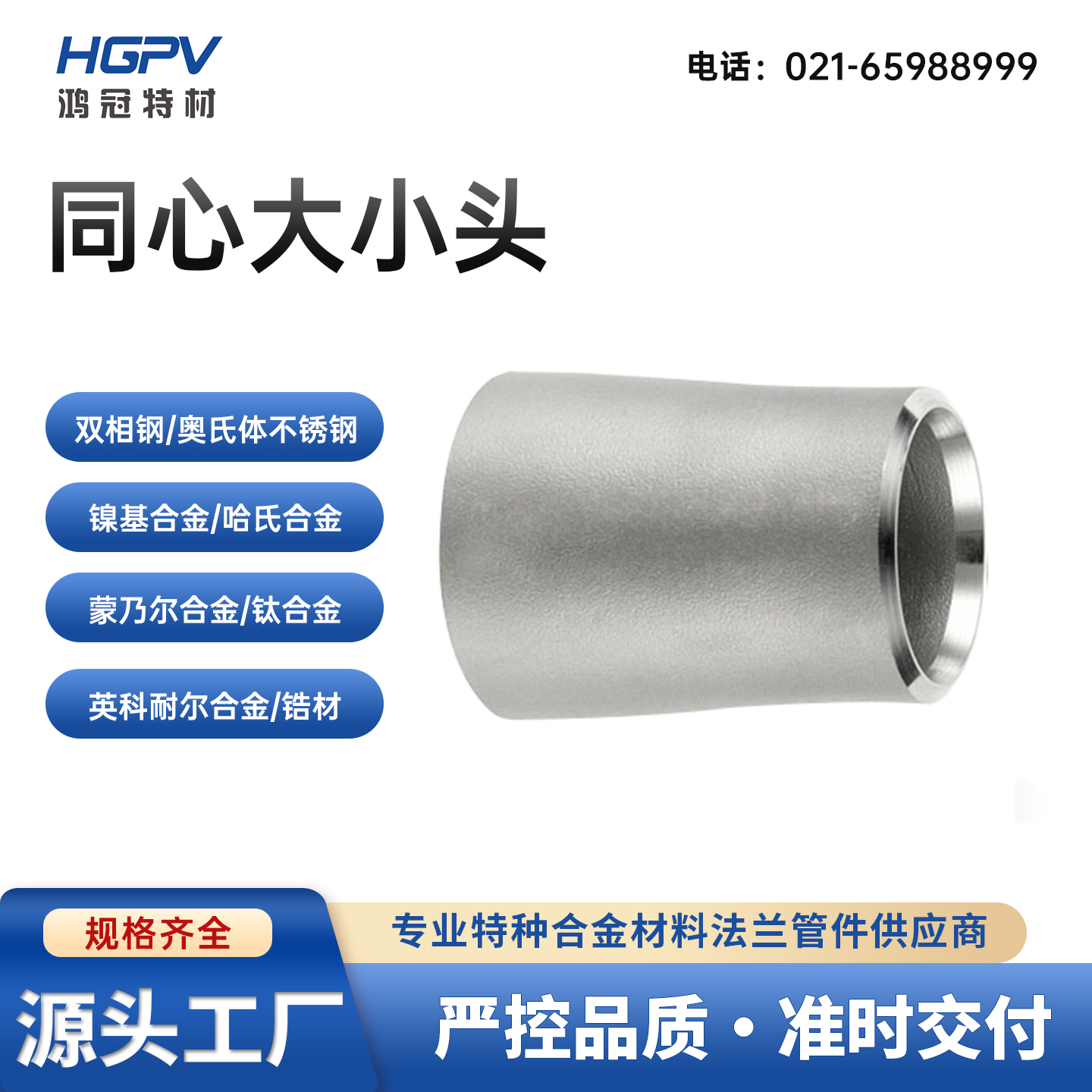
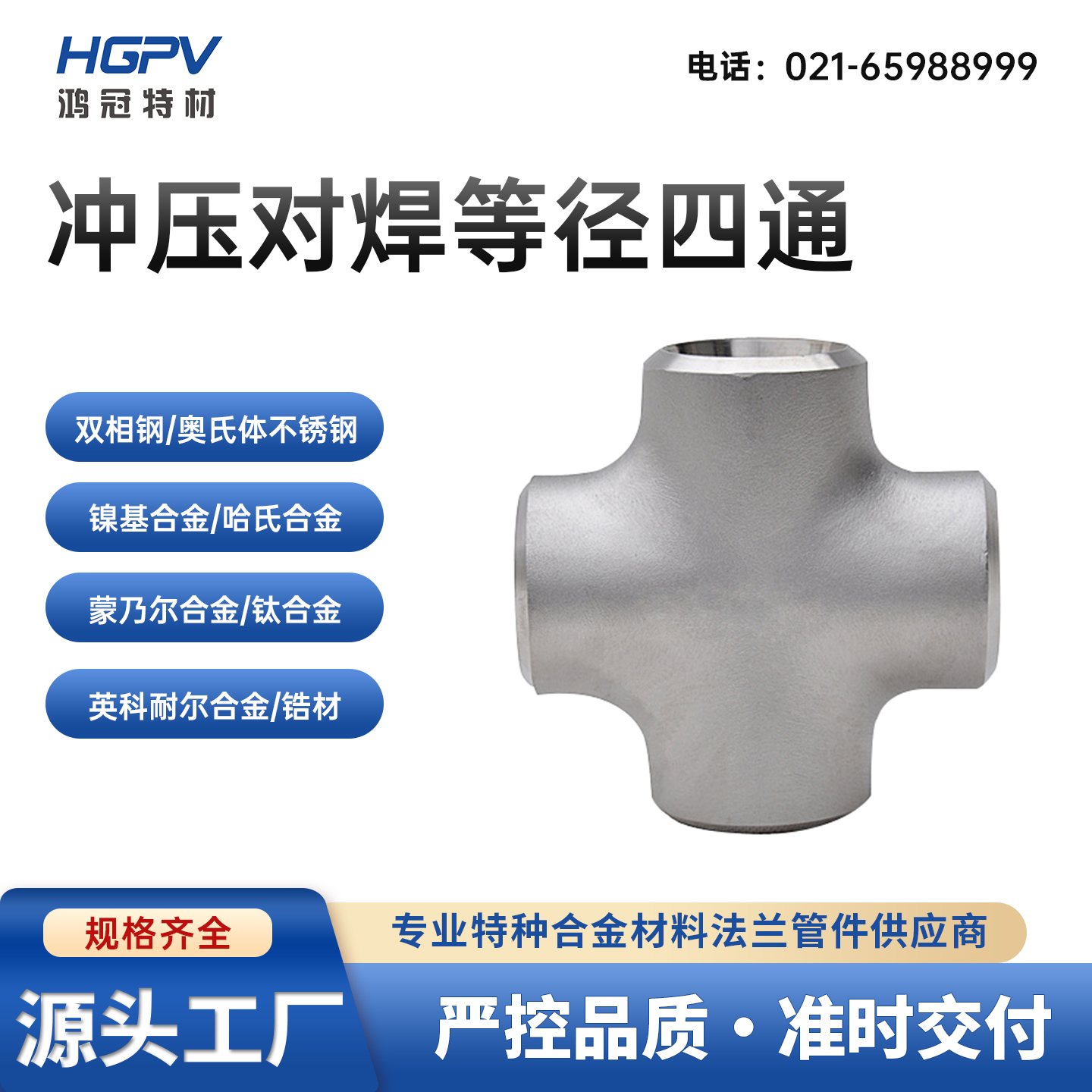
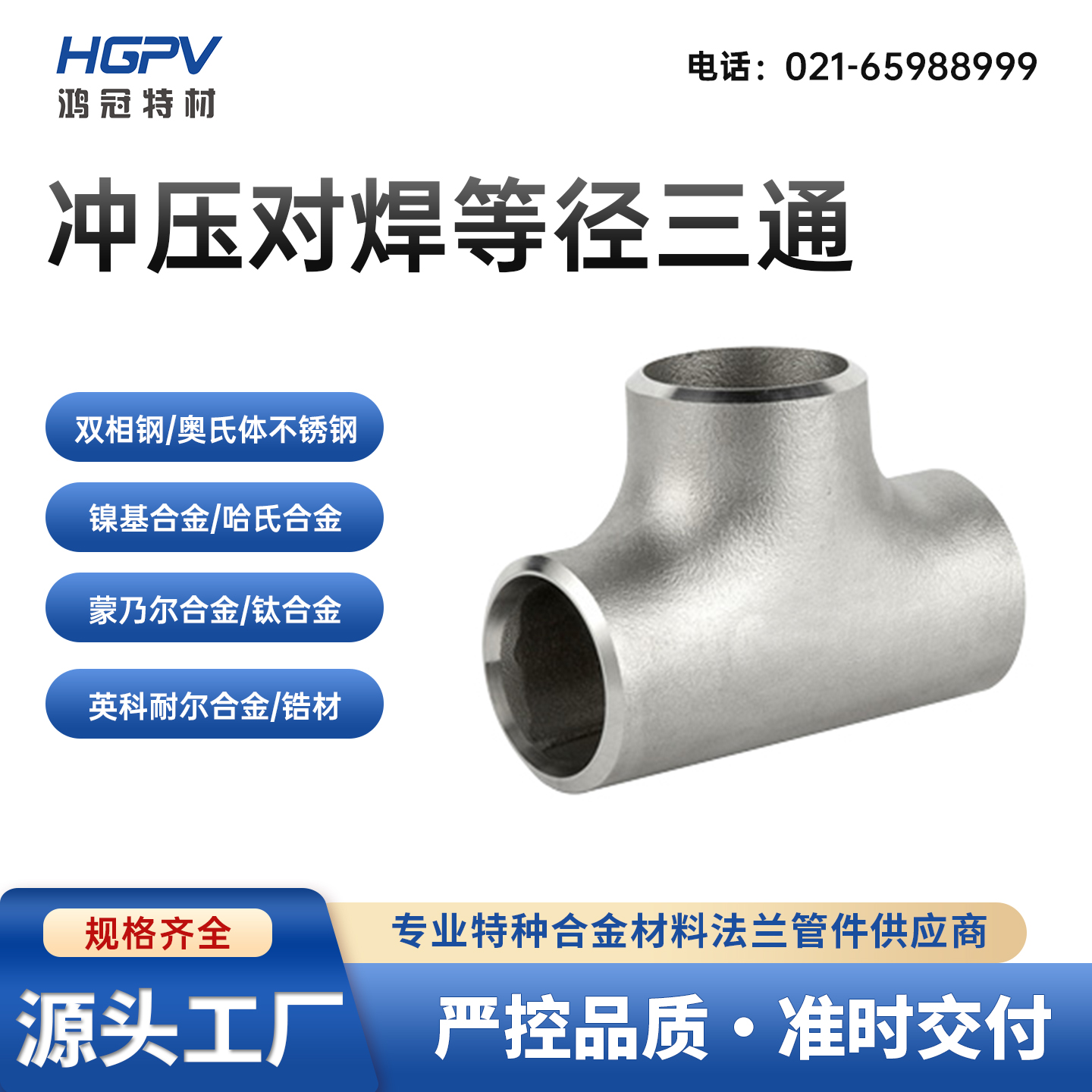
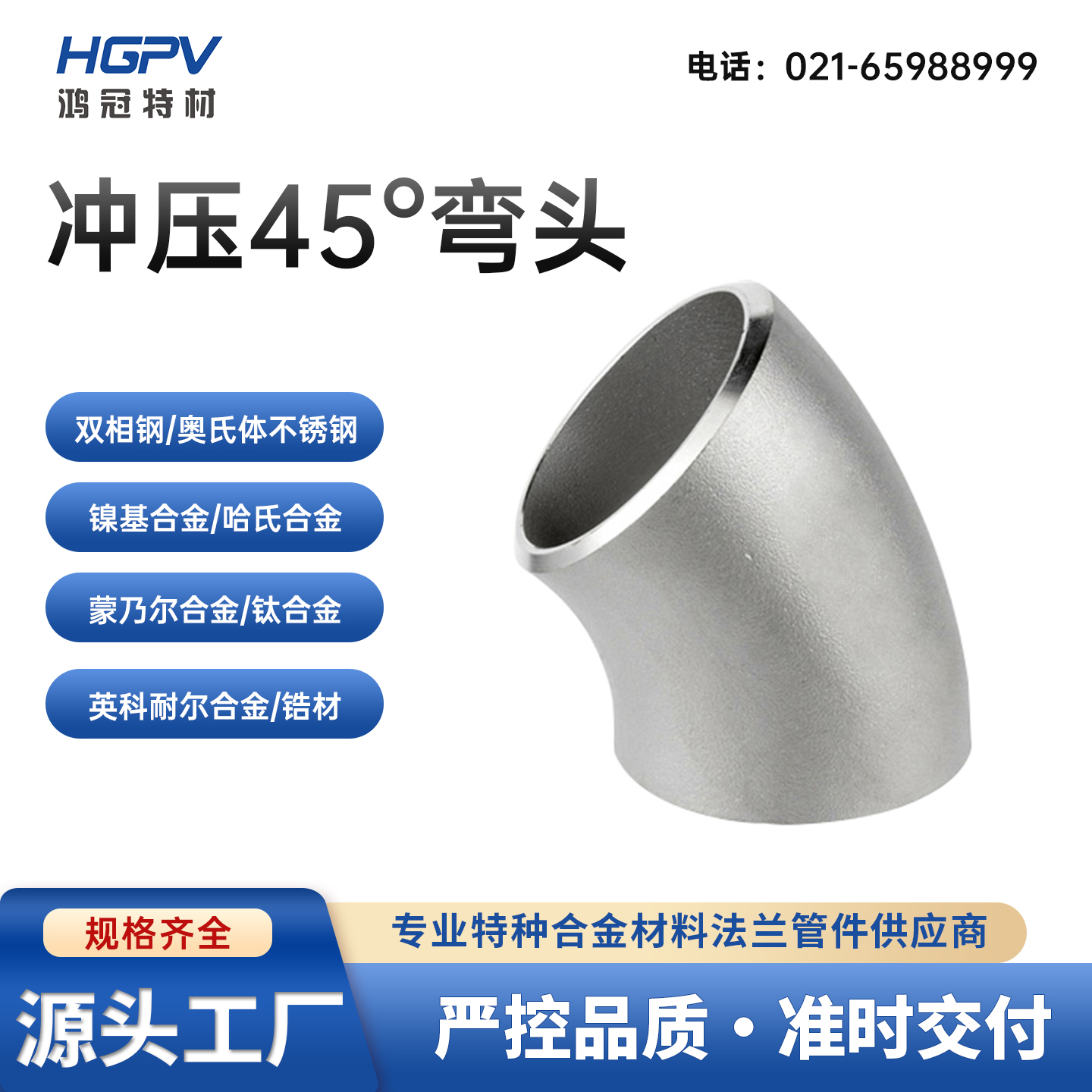
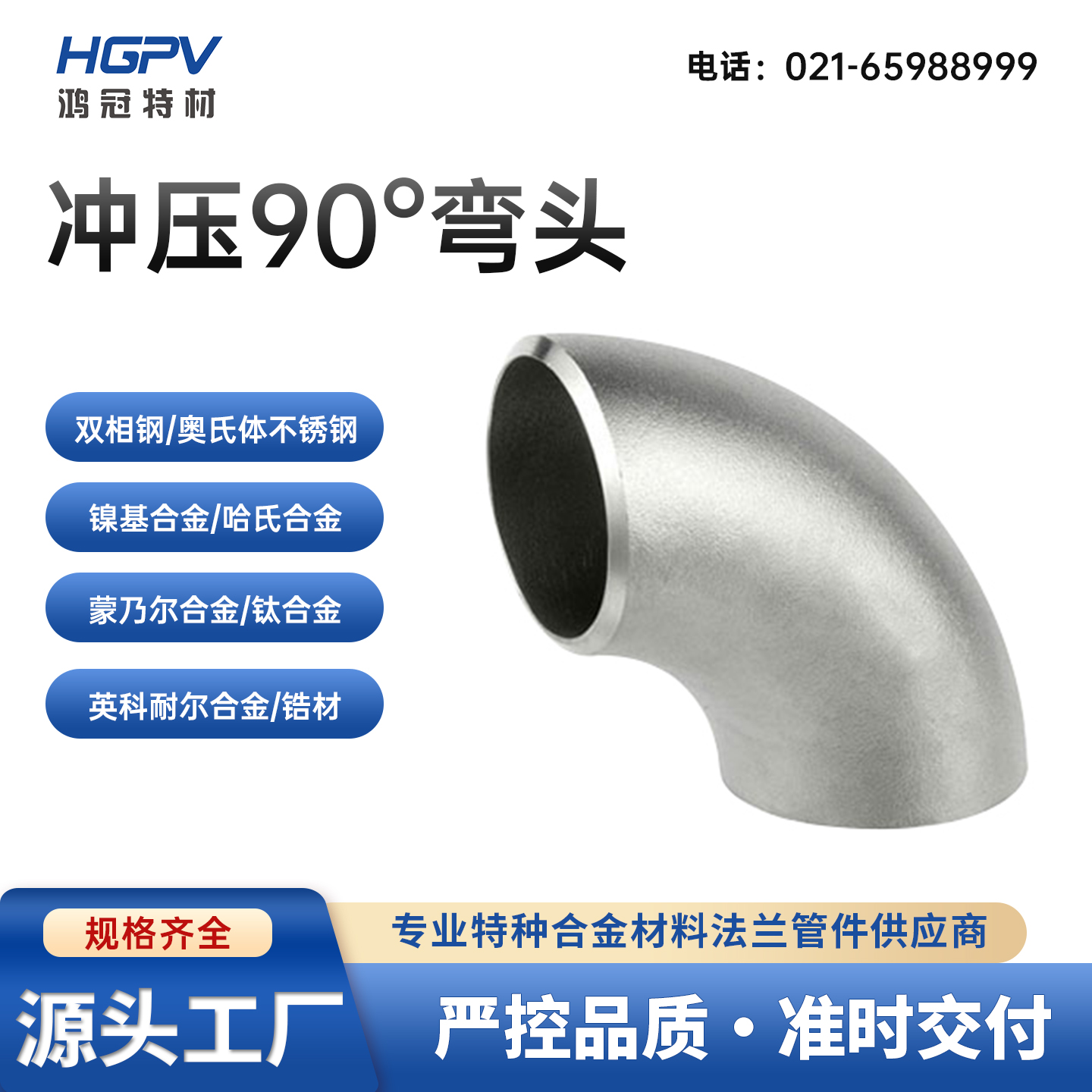
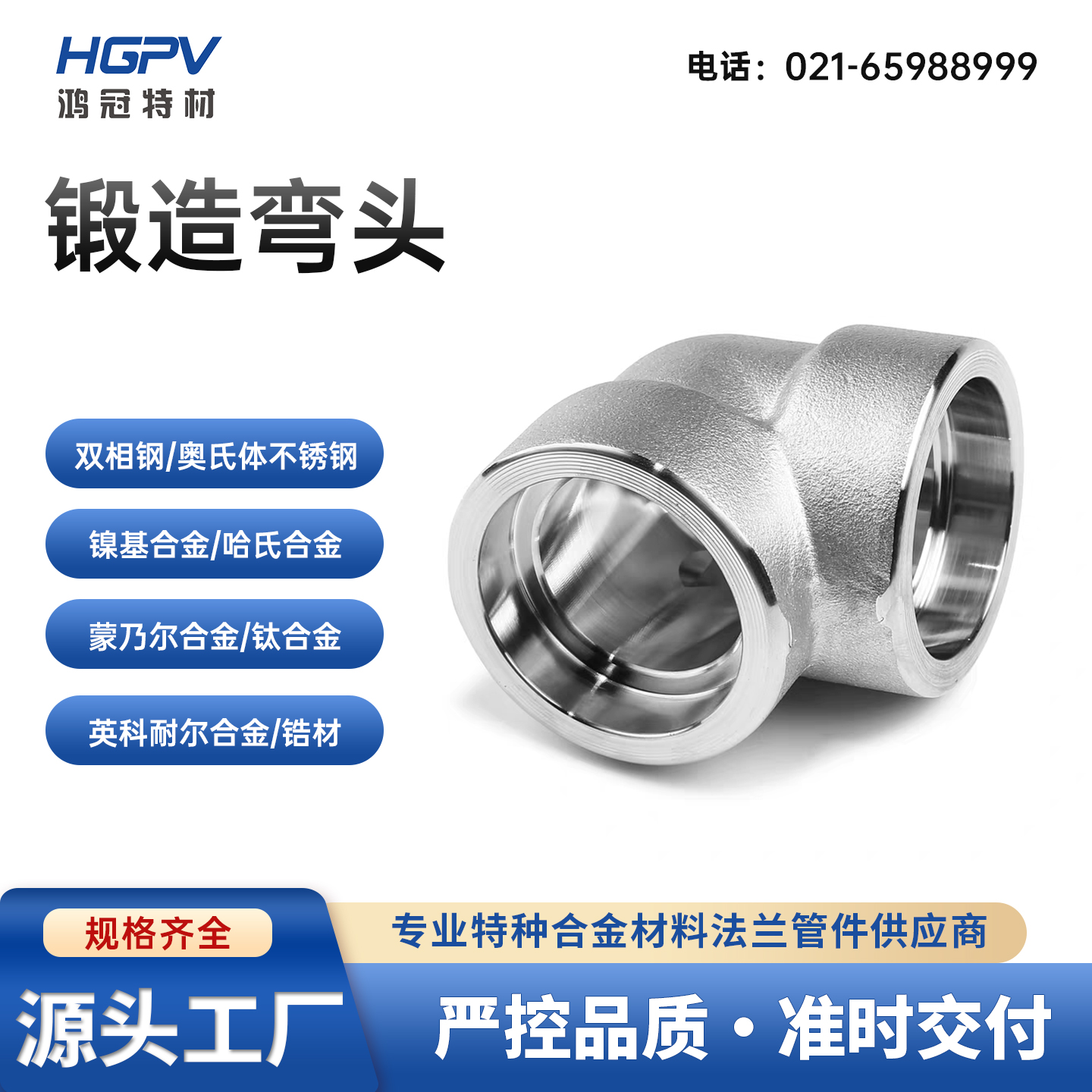
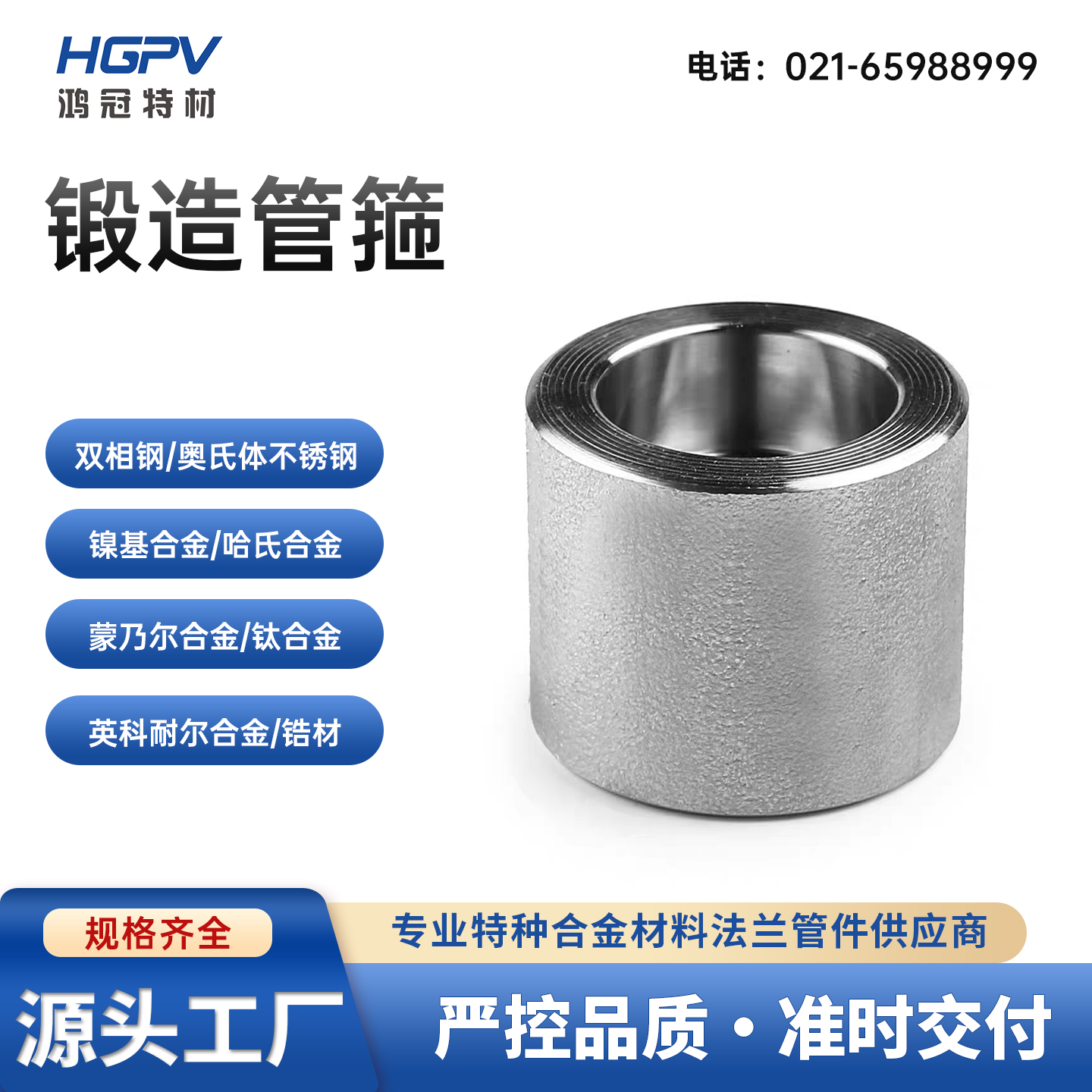
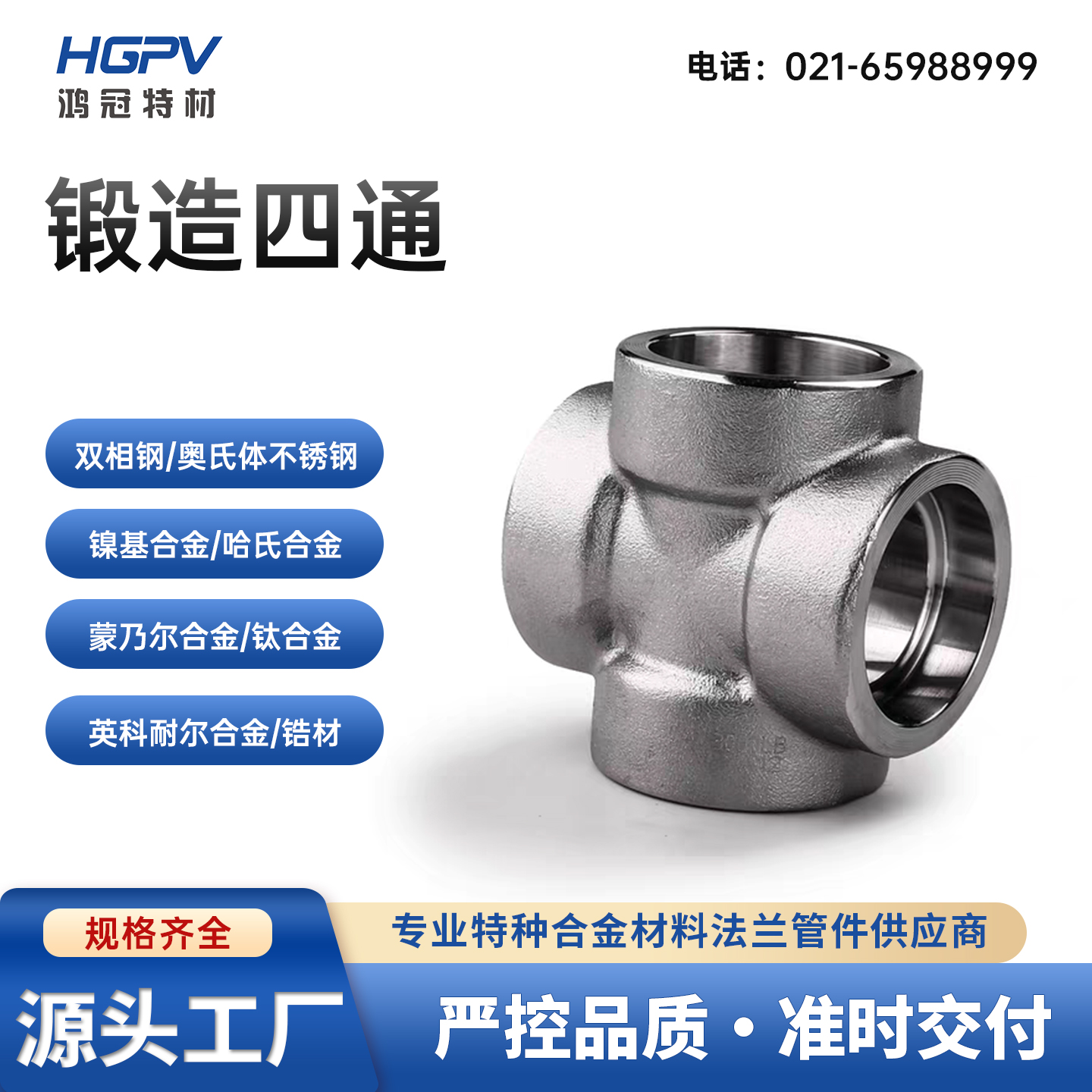
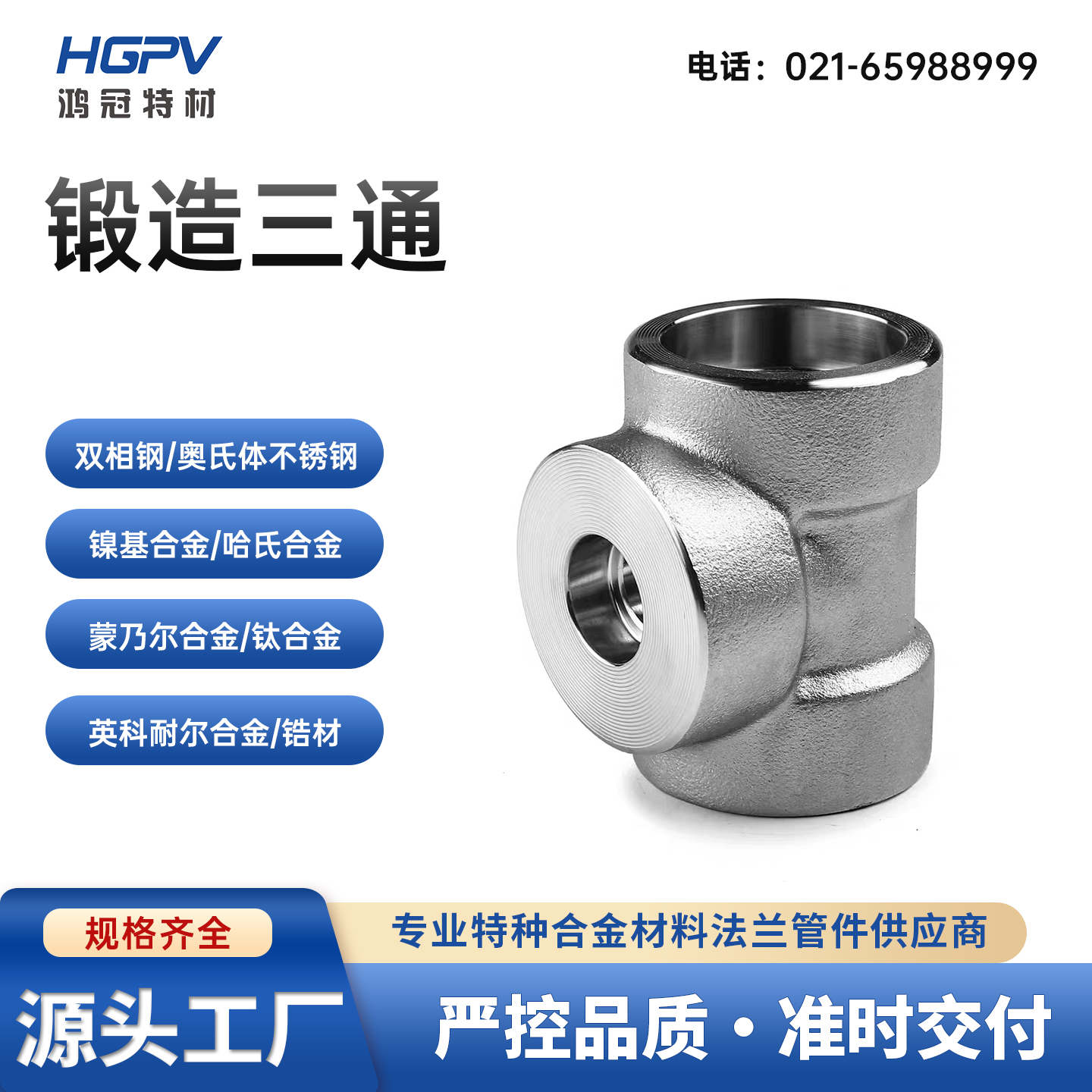
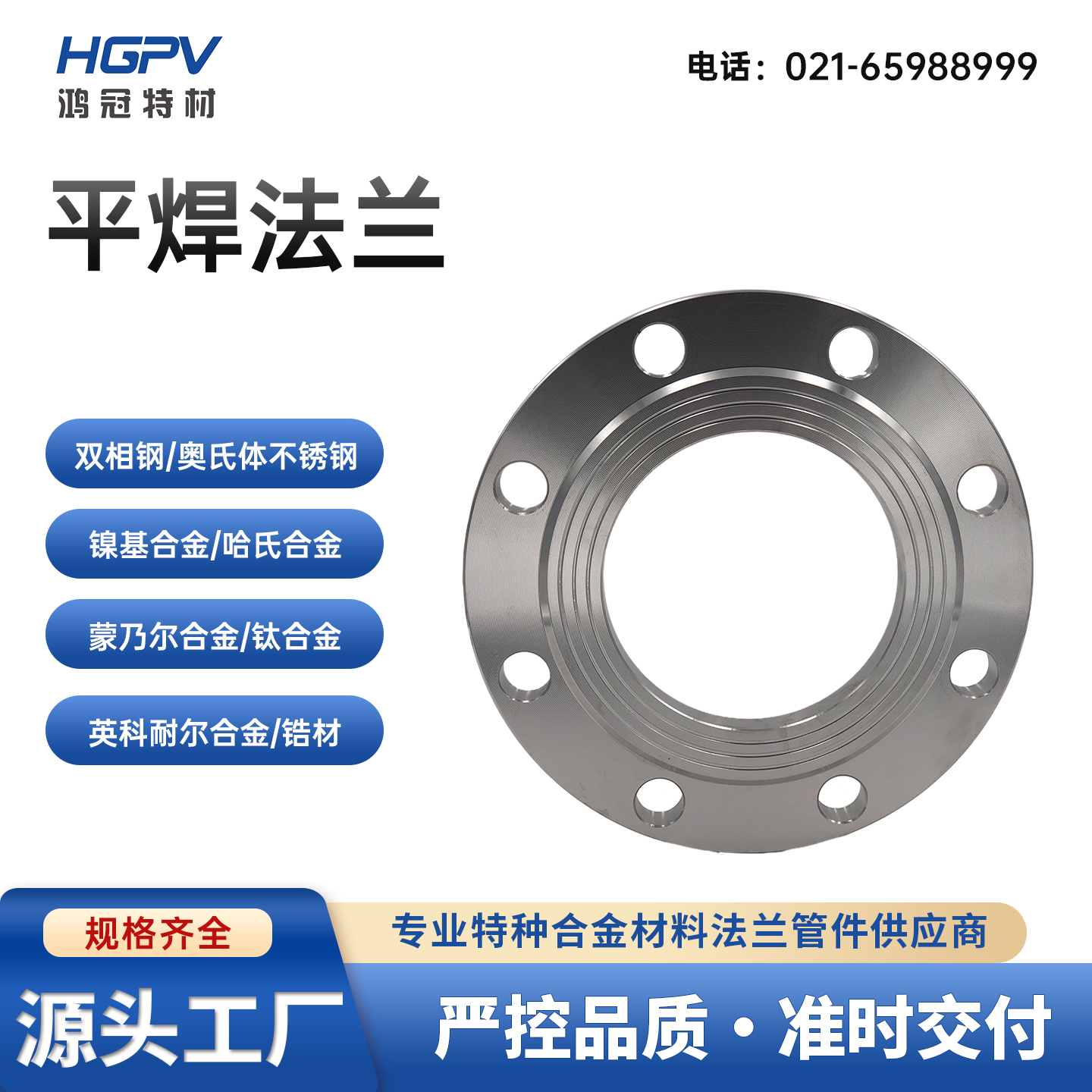
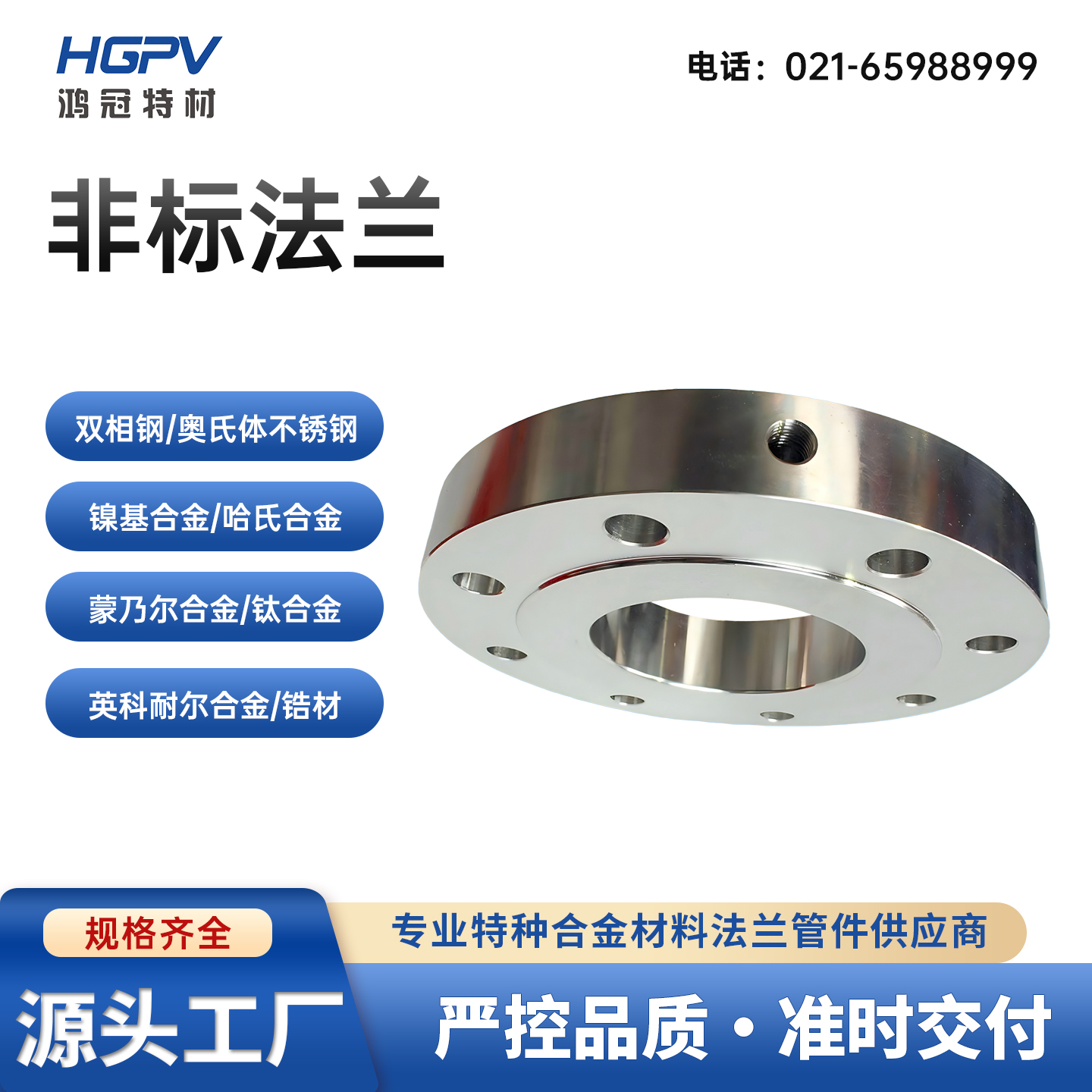
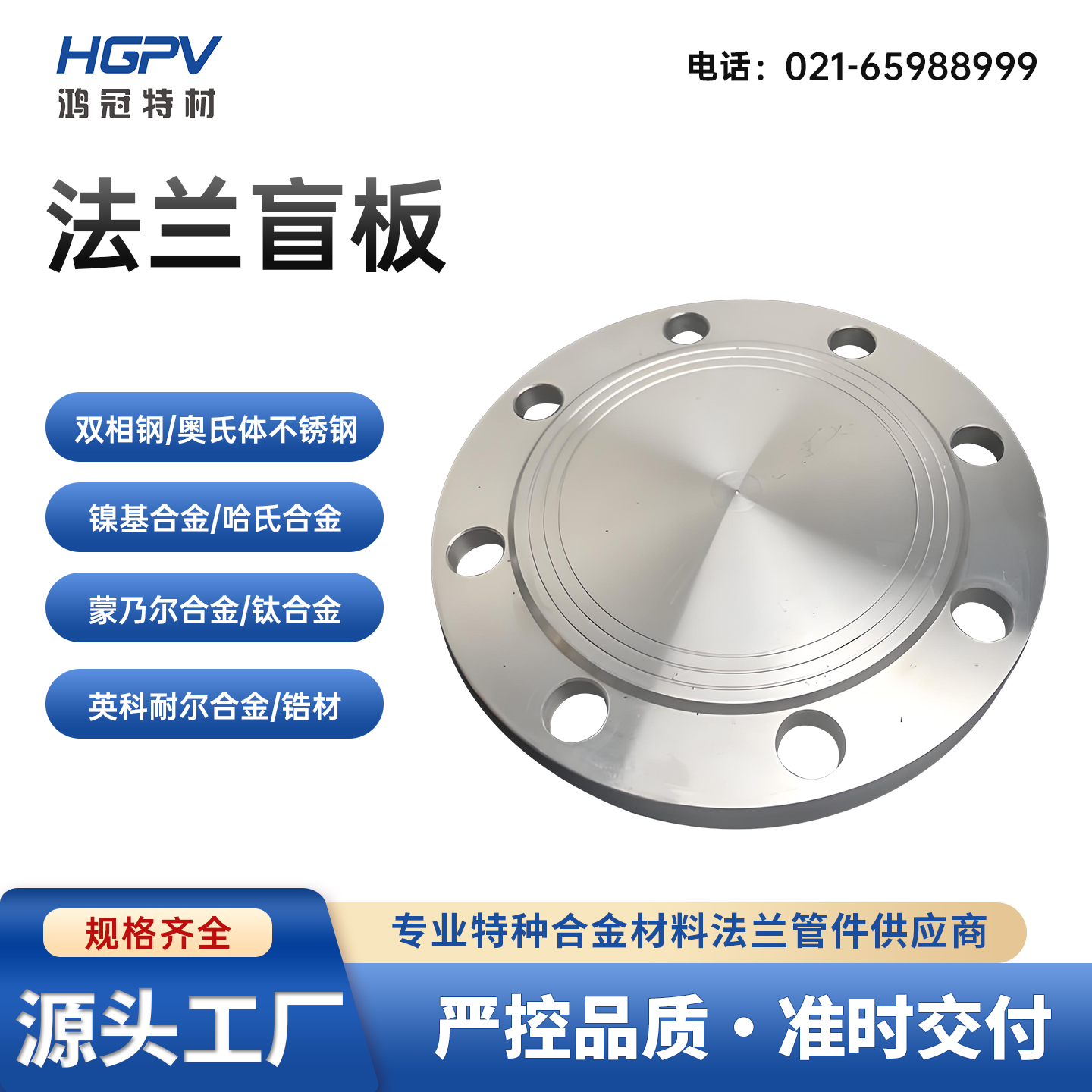
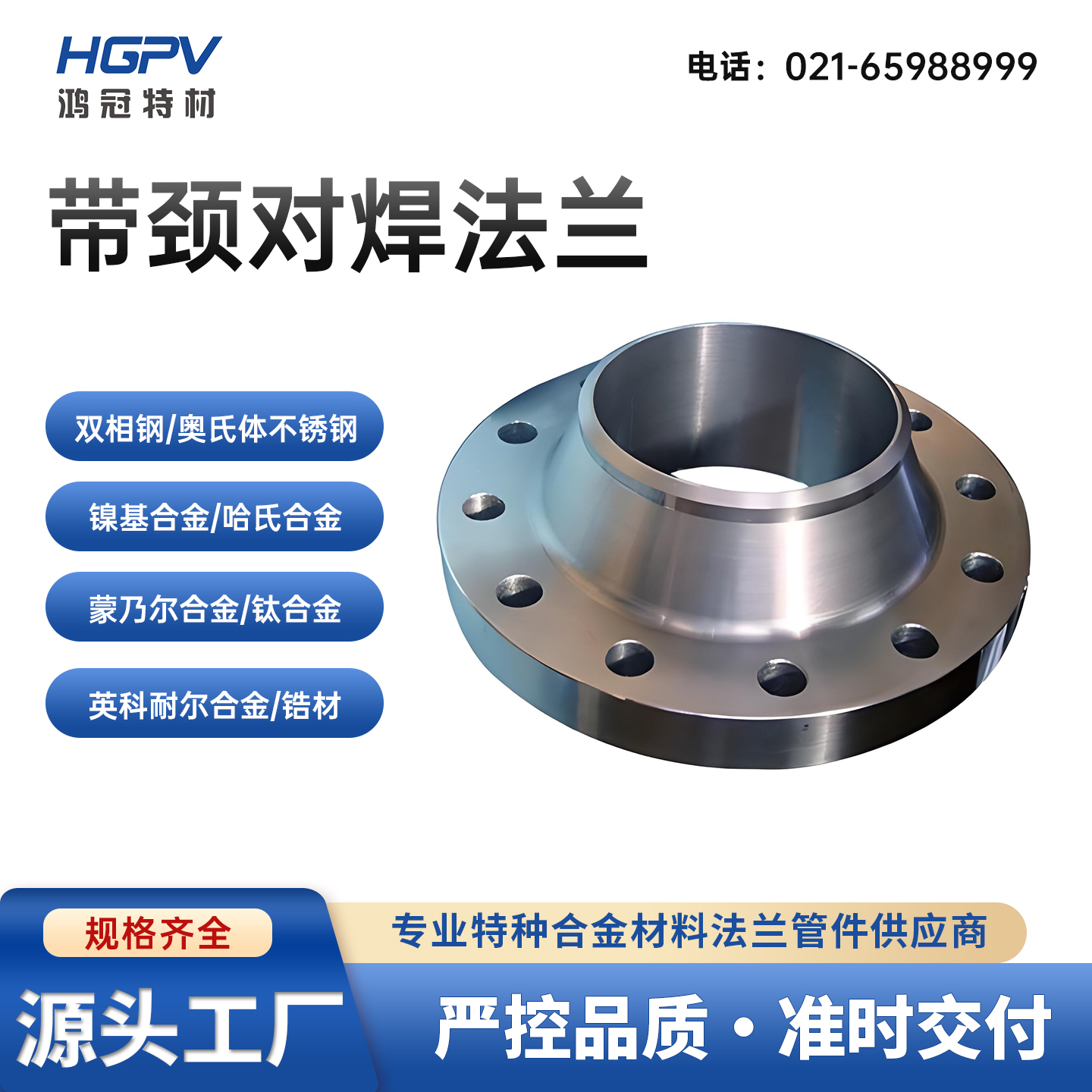
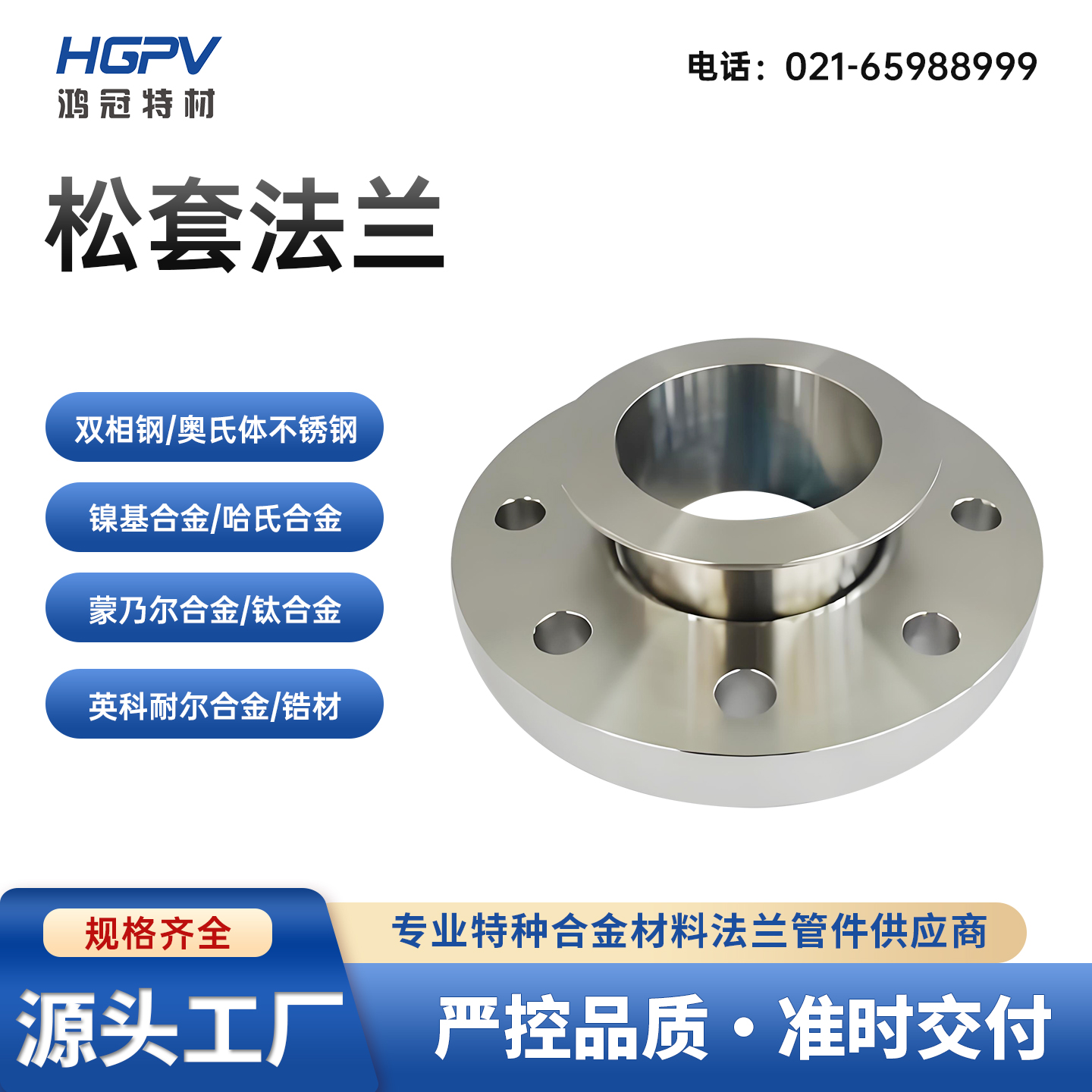
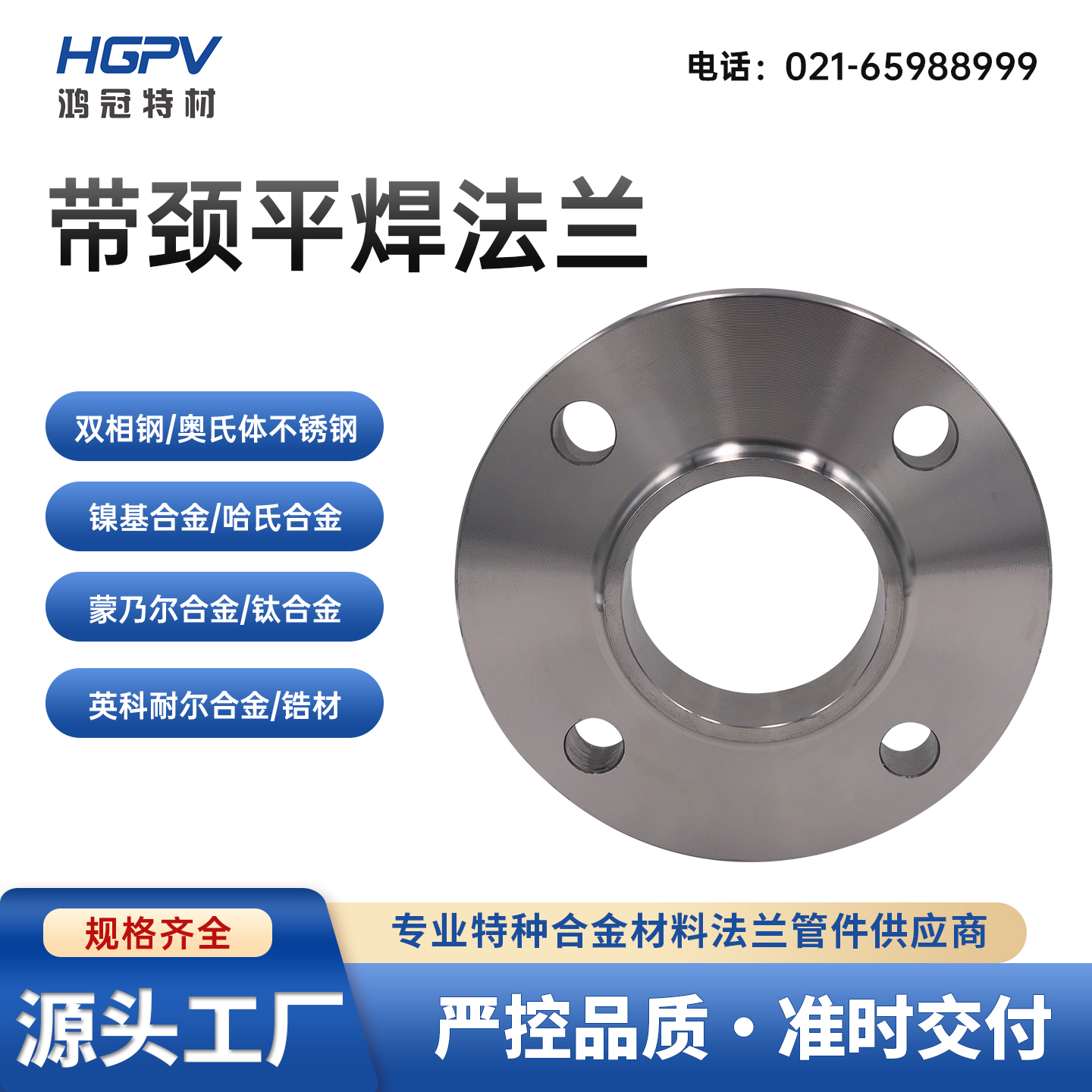
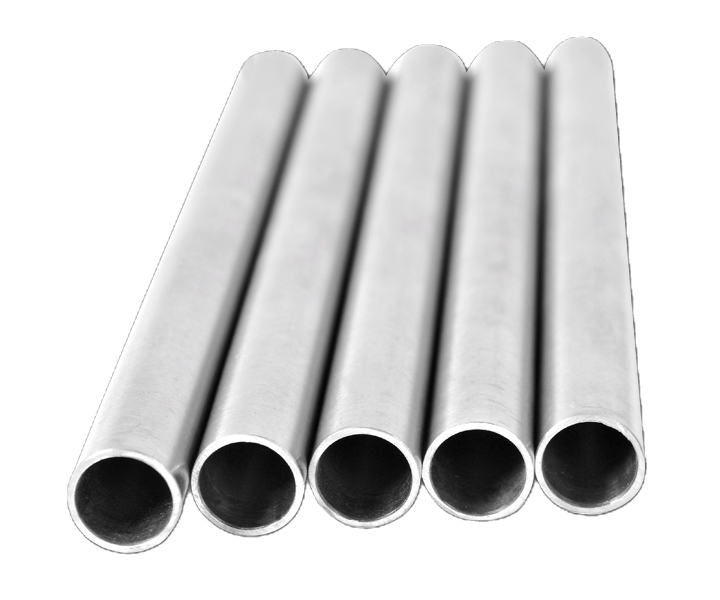
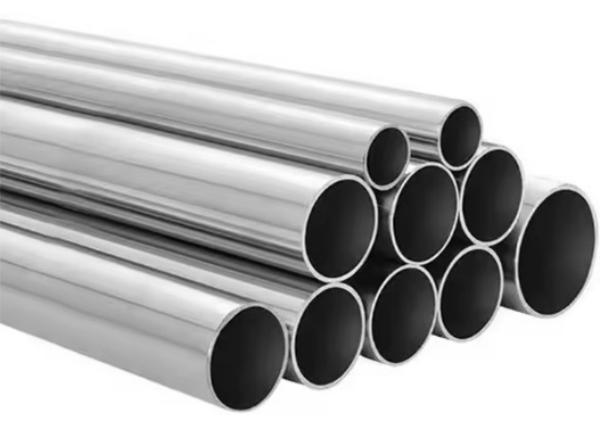
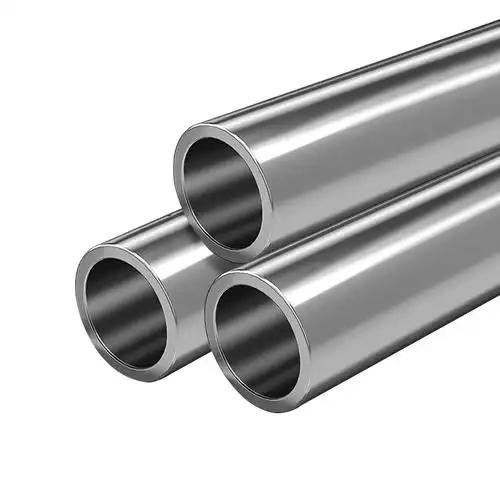
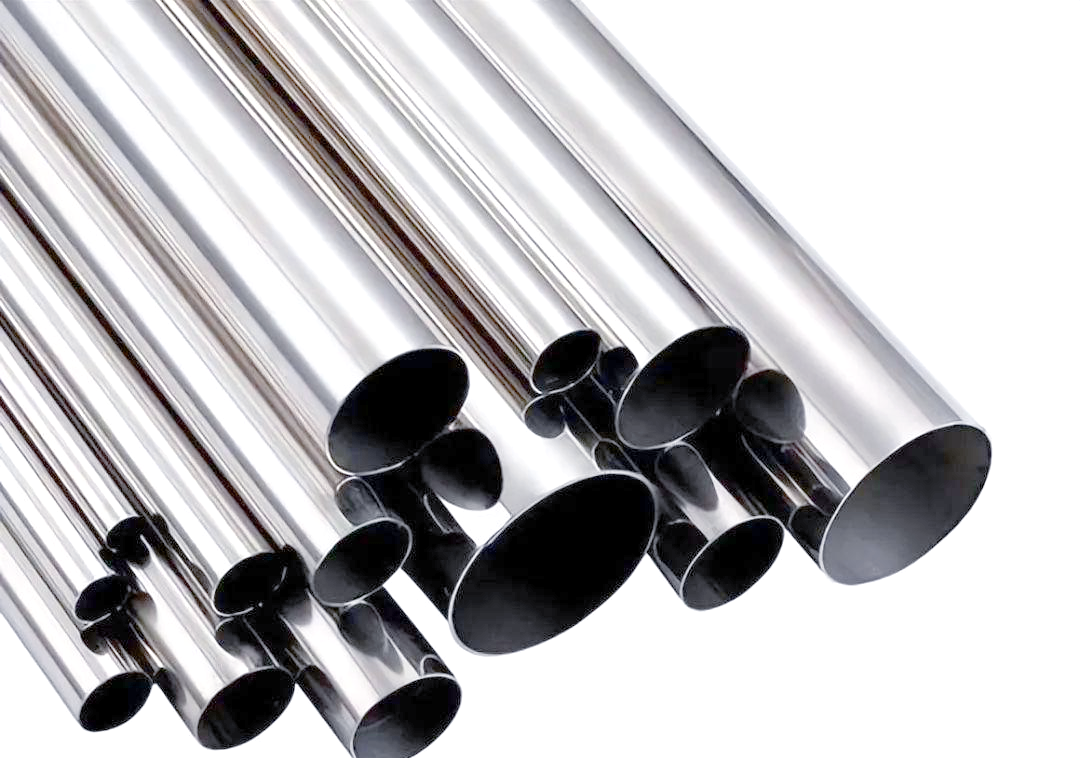
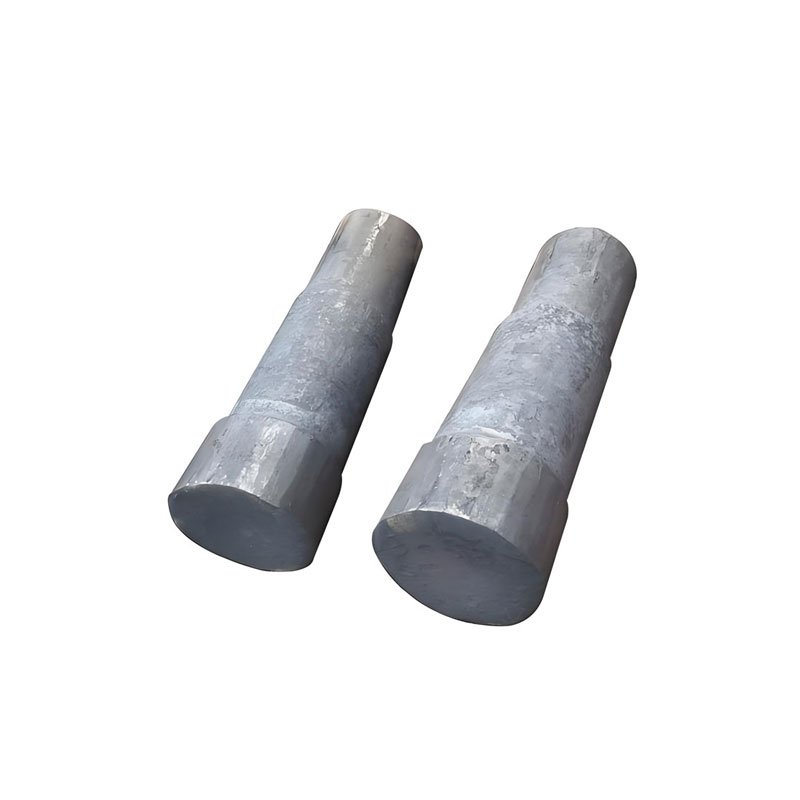
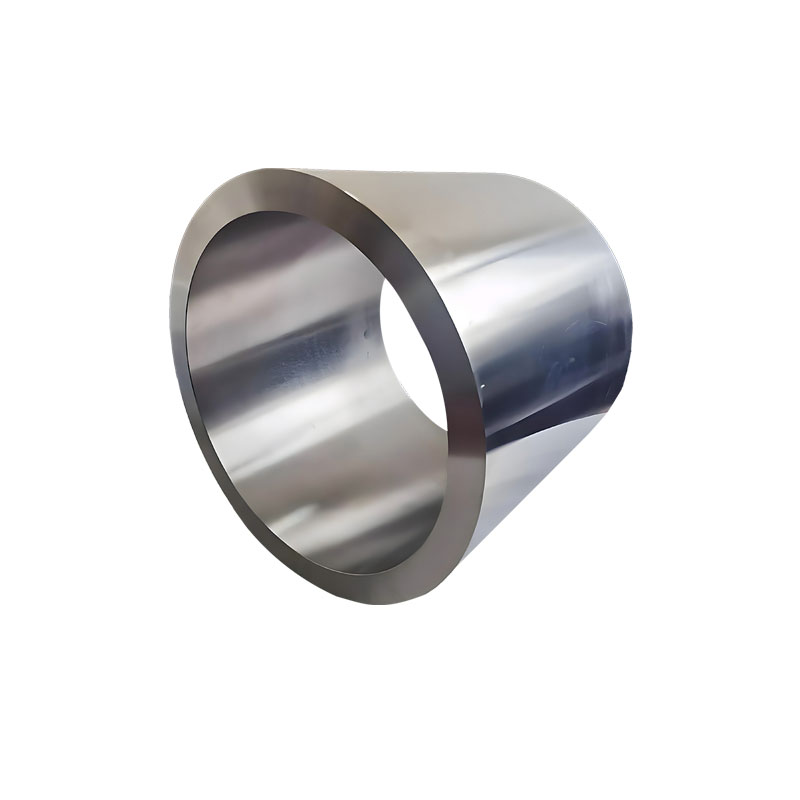
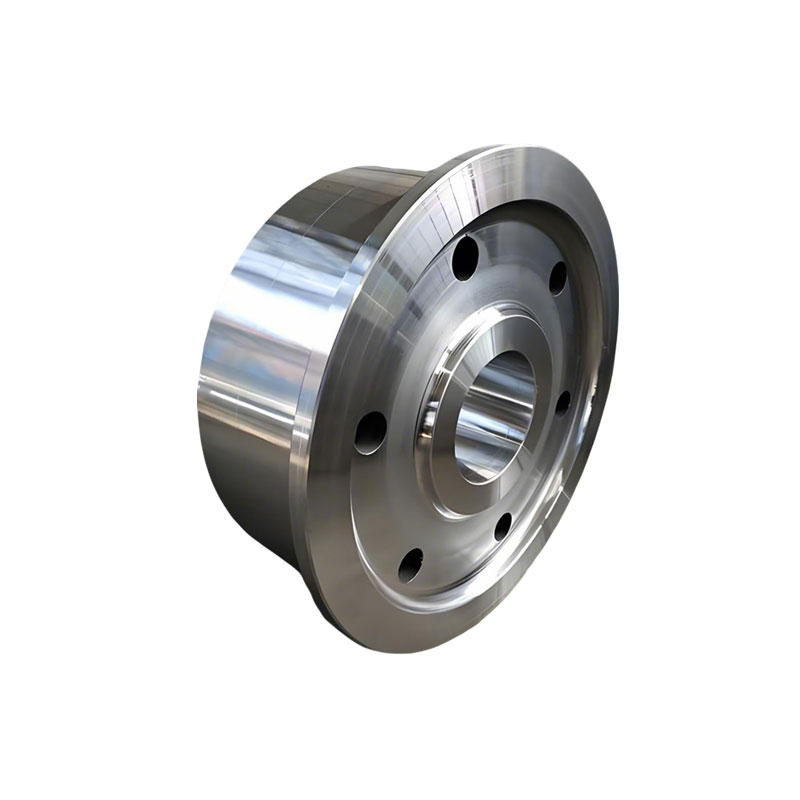
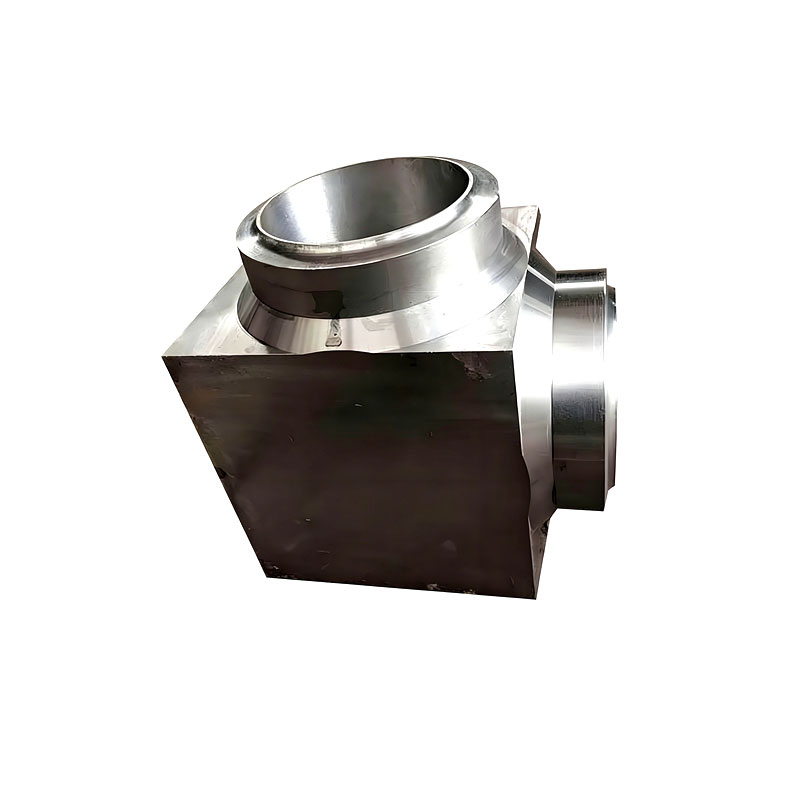
The installation operation is simple, and the unique socket structure allows the pipeline to be directly inserted. Only single-sided welding is required on the outside, which saves installation space and provides reliable structural strength. It stands out in terms of economy and convenience in small-diameter pipeline connections. The deformation during the welding process is small, which can effectively ensure the stability of the connecting structure.
Main material
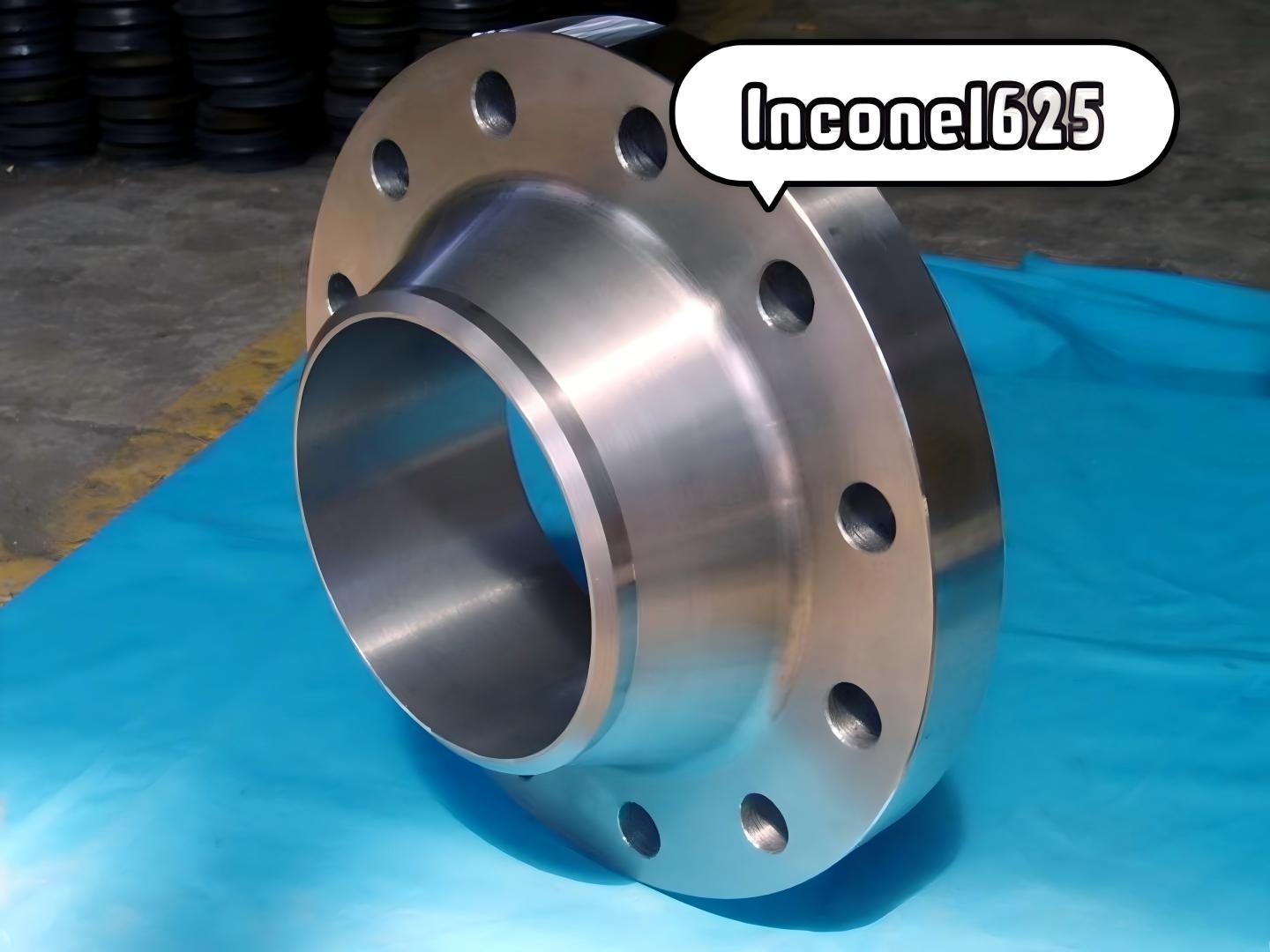
materialmainIncluding austenitestainless steel、Dual phase steel, titanium alloyHastelloy, Monel, Inconel, and customized special metals.
sealing surface type
RF (protruding surface): It is easy to process and suitable for situations with low pressure and mild medium conditions. It is a commonly used form of sealing surface.
Concave convex surface (MFM): composed of convex and concave surfaces, it can effectively prevent the gasket from being squeezed out under pressure, suitable for high working pressure scenarios, and can use medium hard gaskets.
Tenon groove surface (TG): The joint surface and groove surface cooperate with each other, and a gasket with large plastic deformation can be used. It is widely used in corrosive media environments, with good sealing effect, and can maintain reliable sealing even under large pressure fluctuations.
Ring Connection Surface (RJ): Using a metal ring as the sealing element, it is suitable for high-pressure working conditions and high-temperature environments with a working pressure of ≥ 6.3 MPa. It has excellent sealing performance and can meet demanding industrial requirements.
execution standard
1. Domestic standards
GB/T 9117.1-2000~GB/T 9117.4-2000: Detailed regulations have been made on the dimensions, technical requirements, and other aspects of socket welding flanges, which are important basis for flange production and inspection in China.
HG20597-1997, HG20619-1997: Widely used in the chemical industry, they standardize the design, manufacturing, and installation requirements of socket welding flanges in chemical pipeline systems. GB/T 14383-2018: Developed for forged socket welded pipe fittings, covering technical standards for various pipe fittings including socket welded flanges.
2、International Standard
ANSI B16.5, ASME B16.5: American National Standards, highly recognized worldwide, strictly regulate the size, pressure rating, sealing surface type, etc. of socket welding flanges, suitable for pipeline engineering in the American standard system.
ISO 7005-1-2011: A standard developed by the International Organization for Standardization, which standardizes the international general technical requirements for socket welding flanges and promotes technical exchange and trade between countries. BS 4504-3.1 and DIN EN 1092-1-2008 are standards for the UK and Germany respectively, widely used in Europe, and provide specific requirements for the quality and performance of socket weld flanges.
Size specifications and pressure rating
Socket welding flanges are mainly suitable for small-diameter pipelines. The maximum diameter in the standard is usually DN50, but in actual production, DN150 specification products can also be manufactured to meet special needs. The common specification range covers DN6~DN100 (corresponding to 1/8 "~4"), which can adapt to the vast majority of small-diameter pipeline connection scenarios.
European system: including PN10Bar, PN16Bar, PN25Bar, PN40Bar, PN63Bar, PN100Bar, etc. Different pressure levels correspond to different wall thicknesses and structural designs, which can meet various working conditions from low pressure to medium high pressure.
The American System: divided into 150 LB(PN20Bar)、300LB(PN50Bar)、600LB(PN110Bar)、900LB(PN150Bar)、1500LB(PN260Bar) Wait, with a wide range of pressure levels, suitable for industrial pipeline systems with high and ultra-high pressure.
Japanese standard system: There are specifications such as 5K, 10K, 16K, 20K, etc., which are widely used in pipeline engineering in Japan and related cooperative projects.