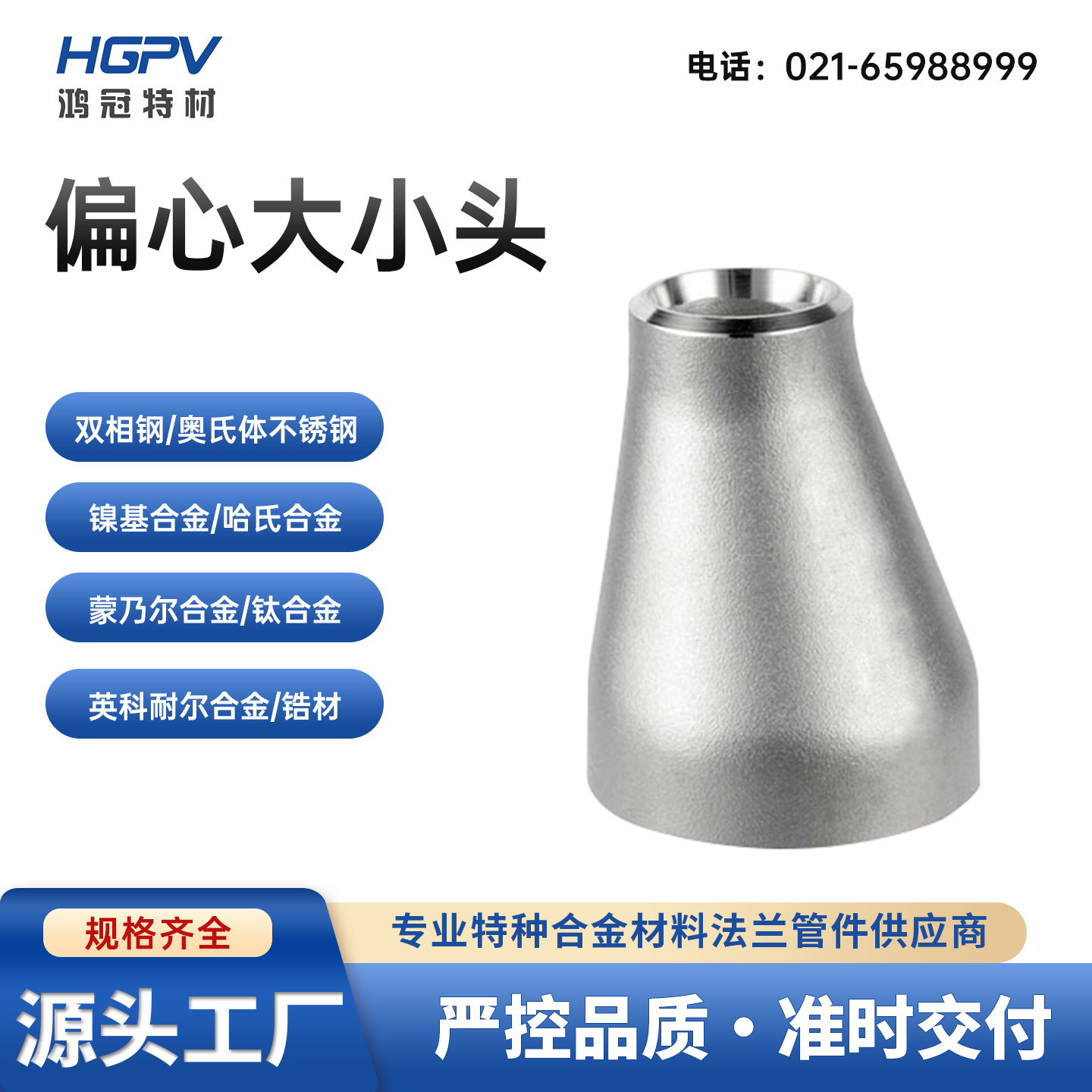
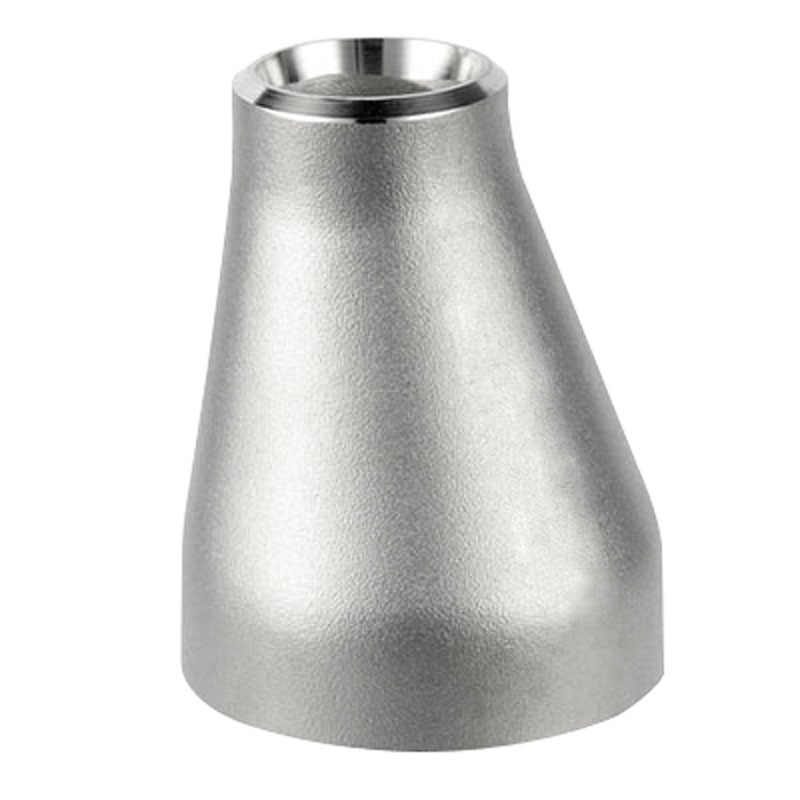
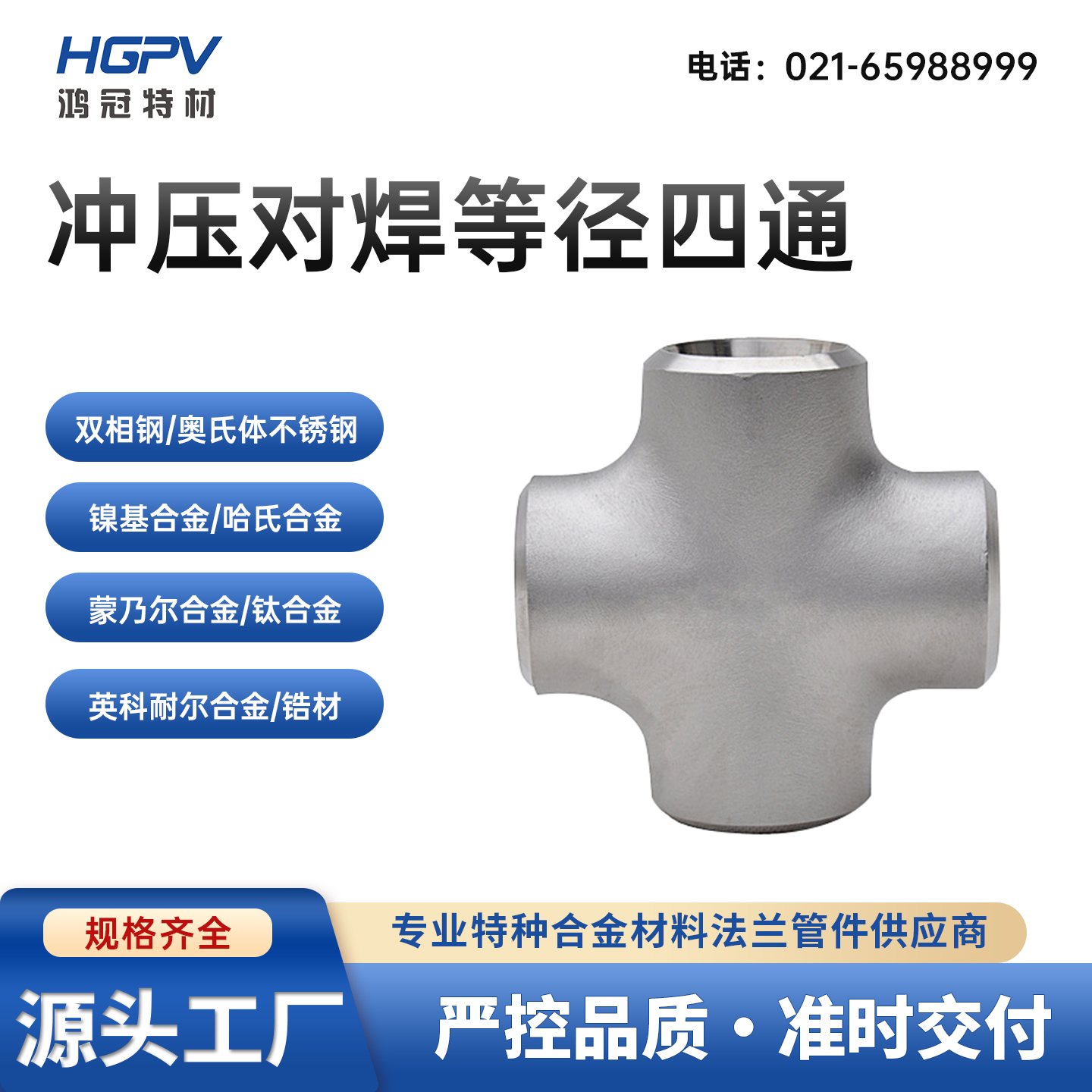
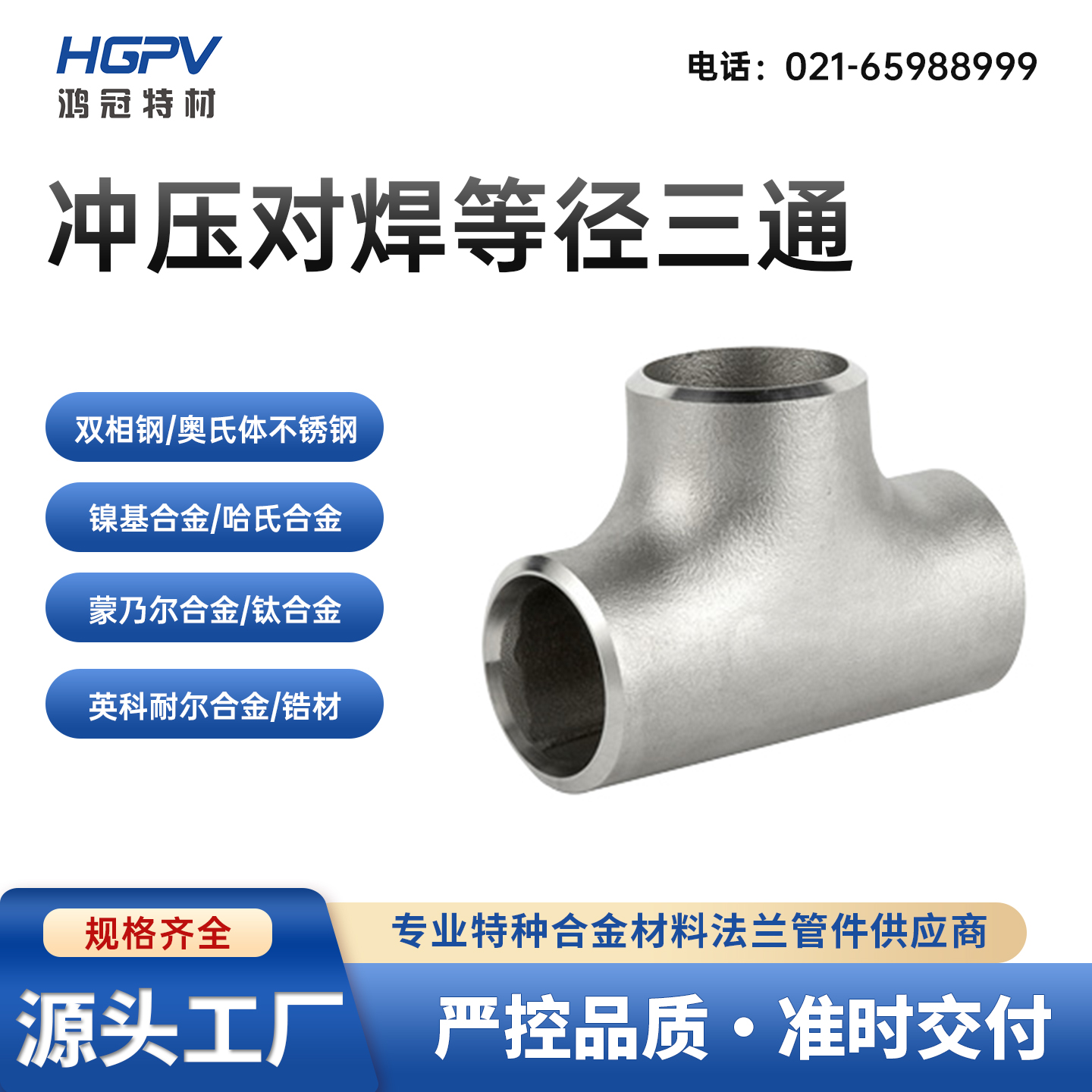
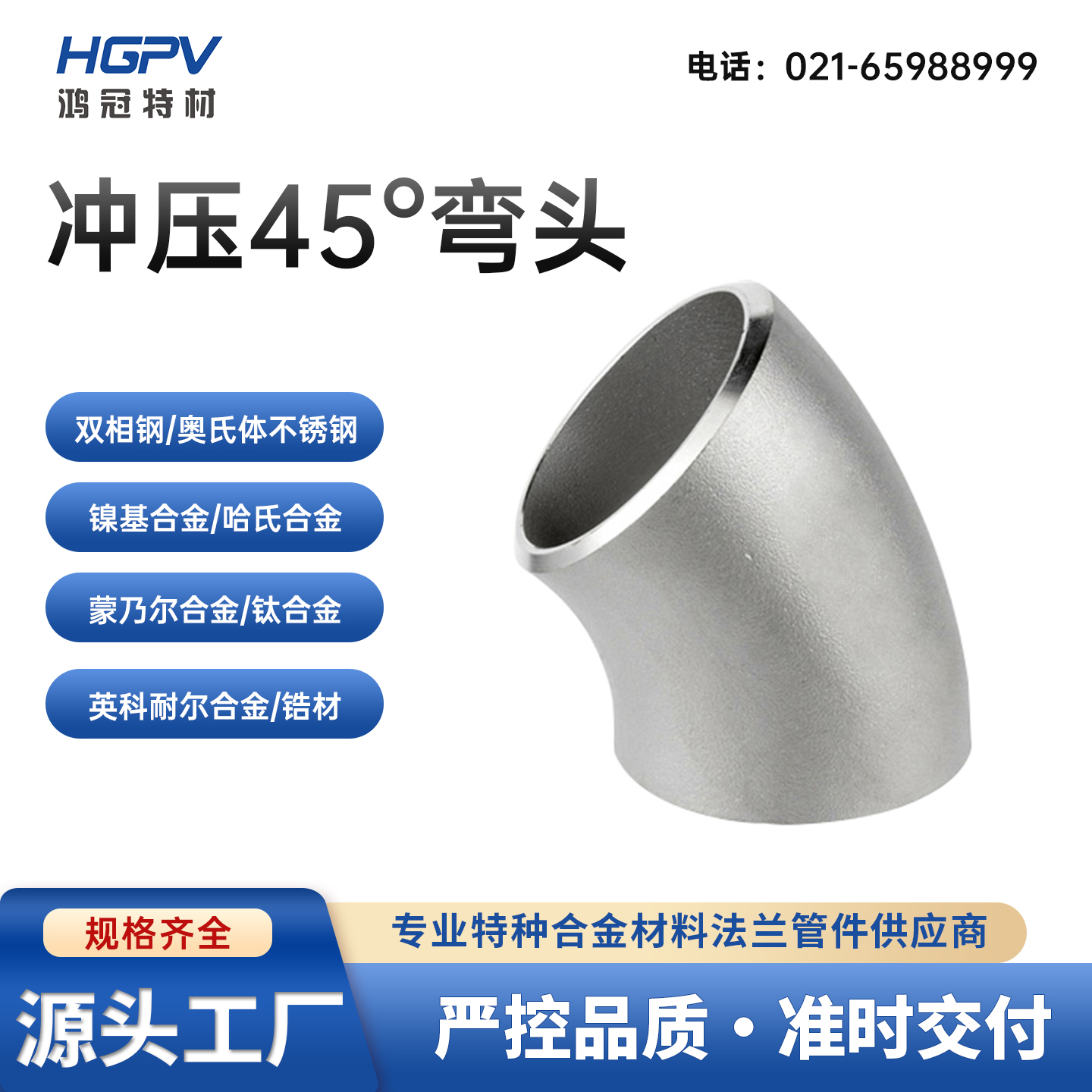
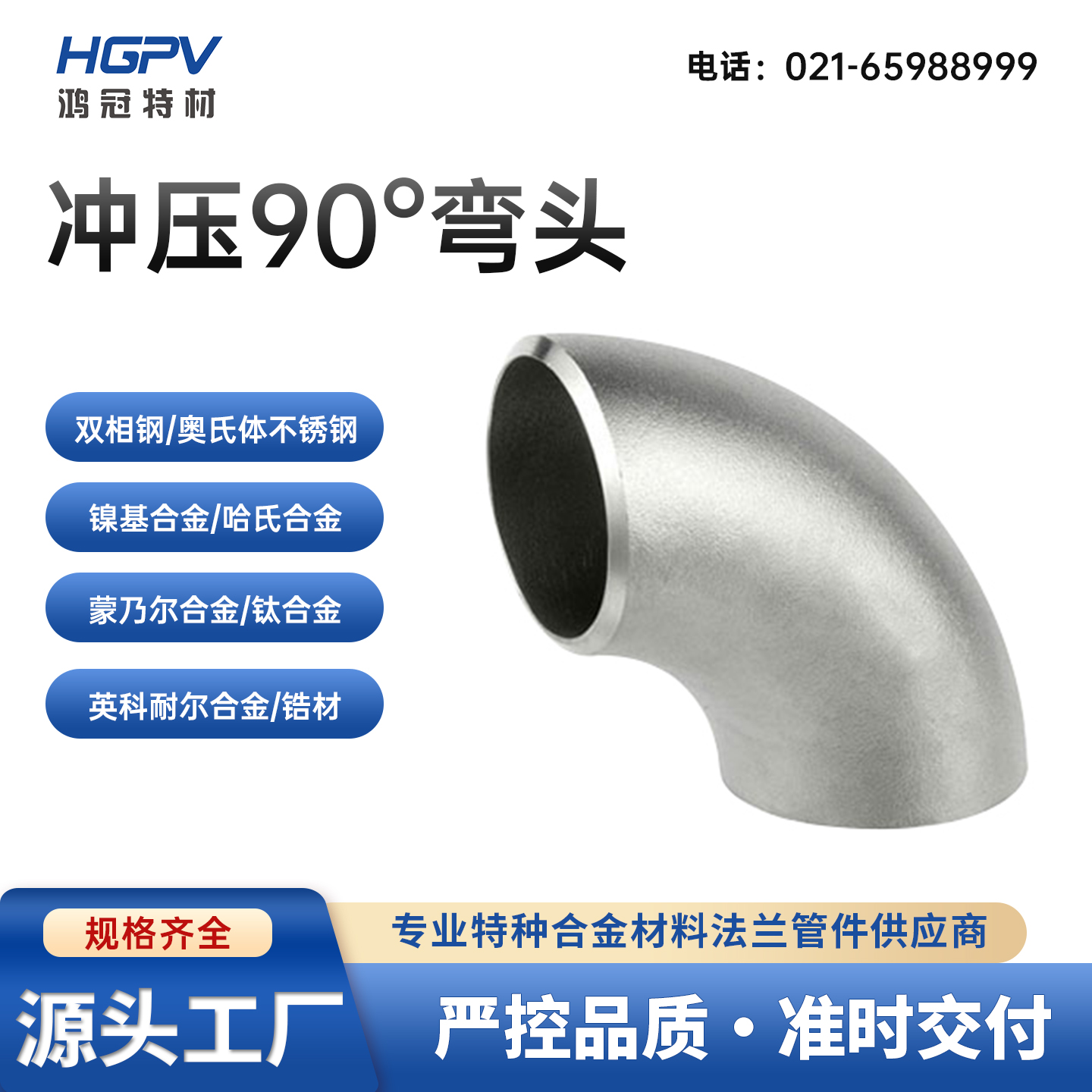
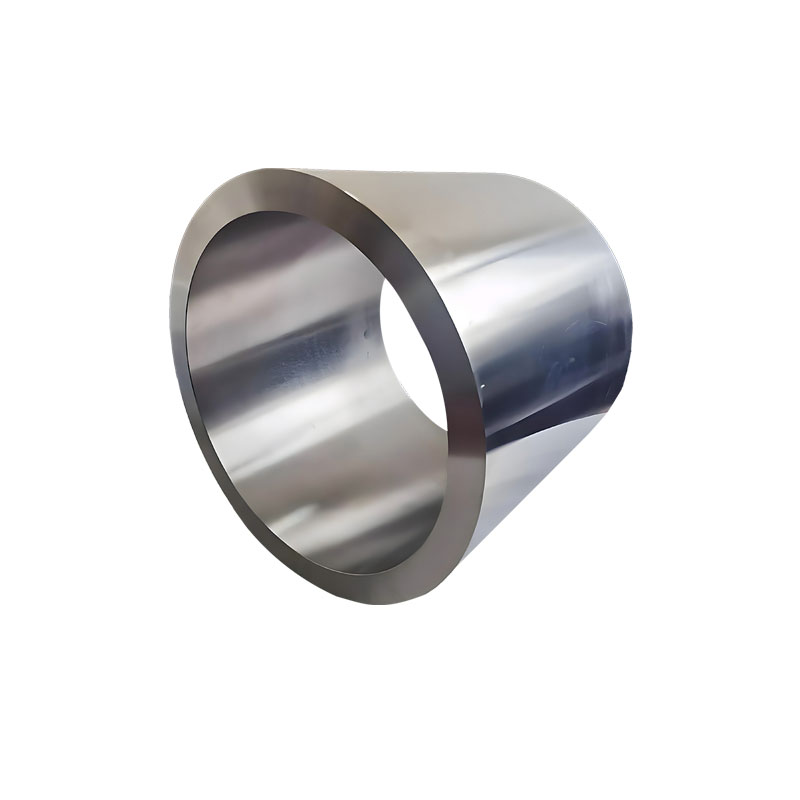
Stamping eccentric reducer (also known as eccentric reducer) is a type of pipe variable diameter connector formed through stamping process, with the centers of the two ends of the pipe not on the same straight line. It is designed to achieve eccentric variable diameter connection of pipes with different diameters and is widely used in industrial pipeline systems such as petroleum, chemical, pharmaceutical, food, and environmental dust removal.
1、 Product Features
Eccentric structure, suitable for special installation scenarios: Adopting an eccentric design, one side remains flat (top or bottom), making it easy to stick to walls, floors, or lay along equipment, optimizing spatial layout, and avoiding gas accumulation or impurity deposition.
One time stamping forming, high strength: seamless connection is achieved through cold/hot stamping process, continuous metal flow lines, no weak points in welds, excellent tensile strength and fatigue resistance, suitable for medium and high pressure working conditions.
Accurate fluid control:
Top flat type: used for gas or steam pipelines to prevent the formation of air pockets at the top;
Bottom flat type: used for fluids containing liquid or impurities, facilitating low point drainage and avoiding blockage.
High dimensional accuracy: The mold molding ensures that the outer diameter, wall thickness, and length tolerances are controlled within ± 0.5mm, and the end face parallelism is high, which is conducive to on-site butt welding installation.
There are various connection methods: mainly butt welding connection, but can also be customized with socket welding, thread or compression structure, suitable for different pipes and construction conditions.
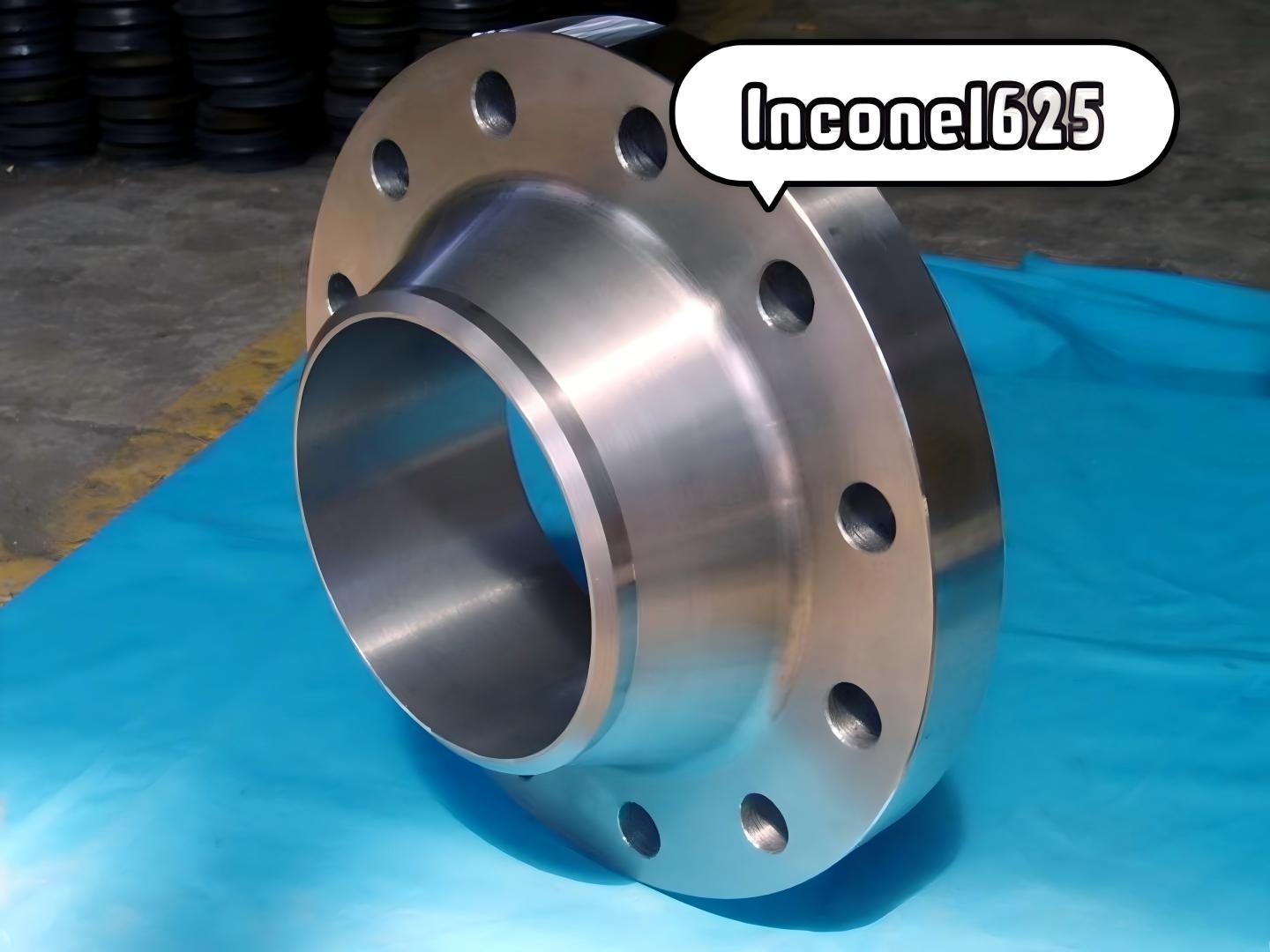
Material diversity and adaptability support customization of various materials, including carbon steel (Q235, 20 #), alloy steel, austenitic stainless steel, duplex steel, titanium alloy, Hastelloy, Monel, Inconel, and special metal customization.
Stainless steel stamped fittings have excellent corrosion resistance and are widely used in industries such as chemical, food, and pharmaceutical; Carbon steel pipe fittings are economical and practical, and are the preferred choice for municipal engineering and ordinary industrial pipelines; Alloy steel pipe fittings can meet the requirements of special working conditions such as high temperature and high pressure.
2、 Execution standards
national standard:
GB/T 12459-2017 "Steel butt welded seamless fittings"
GB/T 13401-2017 "Welded Steel Pipe Fittings"
Industry standards:
SH/T 3408-2021 "Steel butt welded fittings for petrochemical industry"
HG/T 21634-2022 "Reducing Pipes for Chemical Pipelines"
International standards:
ASME B16.9 (American standard butt welded pipe fittings)
DIN 2616 (German standard reducer)
ISO 3419 (International General Specification for Welded Pipe Parts)
All products must undergo non-destructive testing (such as RT, UT) and a 1.5 times working pressure water pressure test to ensure compliance with safety and quality requirements.
3、 Size specifications
Nominal diameter DN (big end x small end) | Big end outer diameter (mm) | Small end outer diameter (mm) | Total length L (mm) | type |
DN50×40 | 60.3 | 48.3 | 76 | eccentric reducer |
DN65×50 | 76.1 | 60.3 | 89 | eccentric reducer |
DN100×80 | 114.3 | 88.9 | 127 | eccentric reducer |
DN150×100 | 168.3 | 114.3 | 190 | eccentric reducer |
DN200×150 | 219.1 | 168.3 | 254 | eccentric reducer |
Note: The annotation method is "DN big end x small end", for example, DN100 x 80 represents big end DN100 and small end DN80; The bending length is usually 1.5D~2.0D (D is the diameter of the large end) to ensure a smooth transition of the fluid.
4、 Pressure level
Nominal pressure range: PN1.0MPa~PN420MPa (Sch5s~XXS)
Common level correspondences:
Sch40: Suitable for PN1.6~2.5MPa, conventional industrial and building systems
Sch80/XS: Suitable for PN4.0~10.0MPa, high-pressure steam and petroleum pipelines
XXS: Suitable for environments with PN above 10.0MPa or strong corrosion, such as nuclear power and deep-sea pipelines
Temperature resistance range:
Carbon steel: -20 ℃~+400 ℃
Stainless steel: -40 ℃~+600 ℃
Alloy steel: up to+650 ℃ (such as 15CrMo)
The actual selection should be based on the design pressure, temperature, and medium characteristics (such as whether it contains gas, solid, or corrosive), and strength verification should be carried out according to ASME B31.3 or GB 50316 to ensure the long-term safe operation of the system.