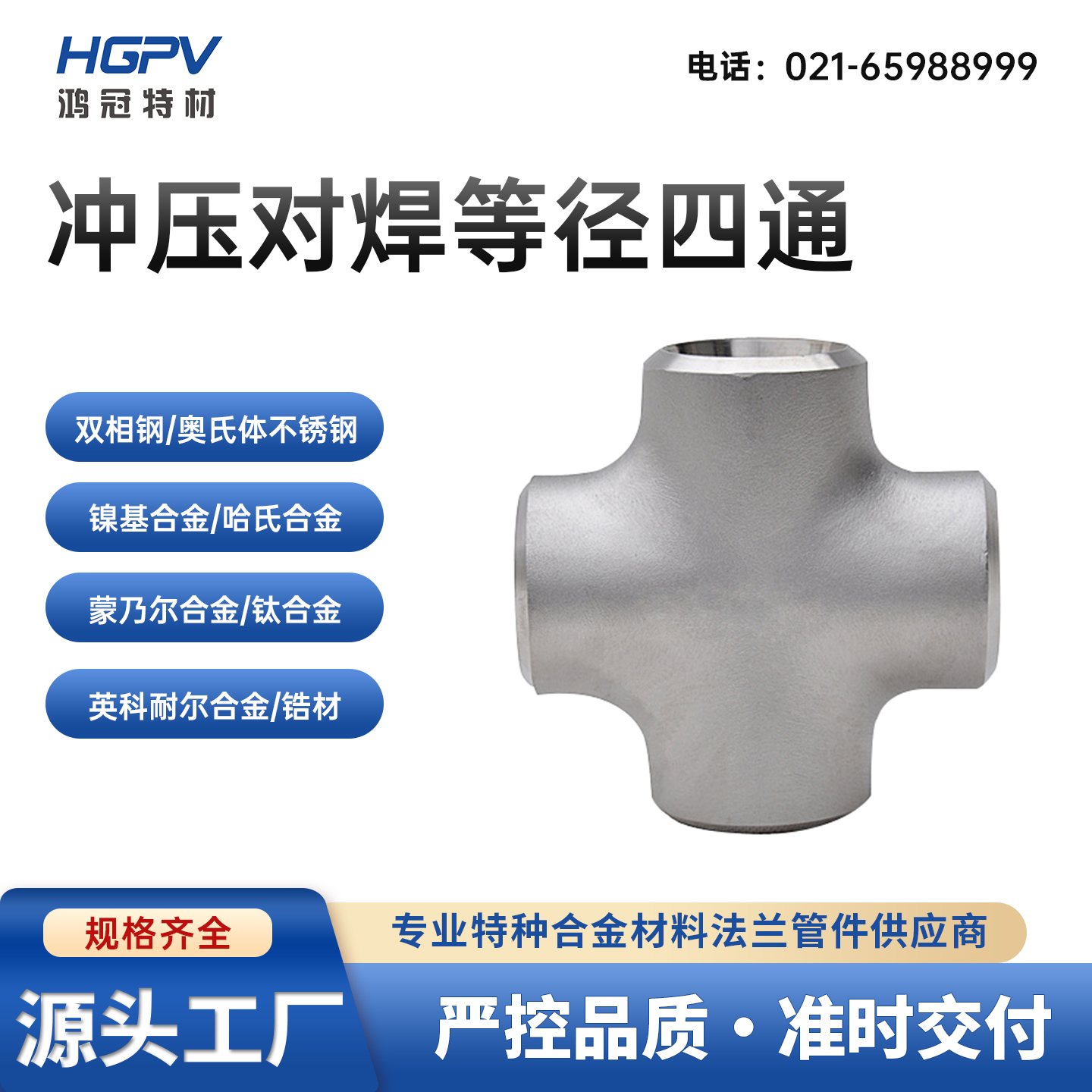
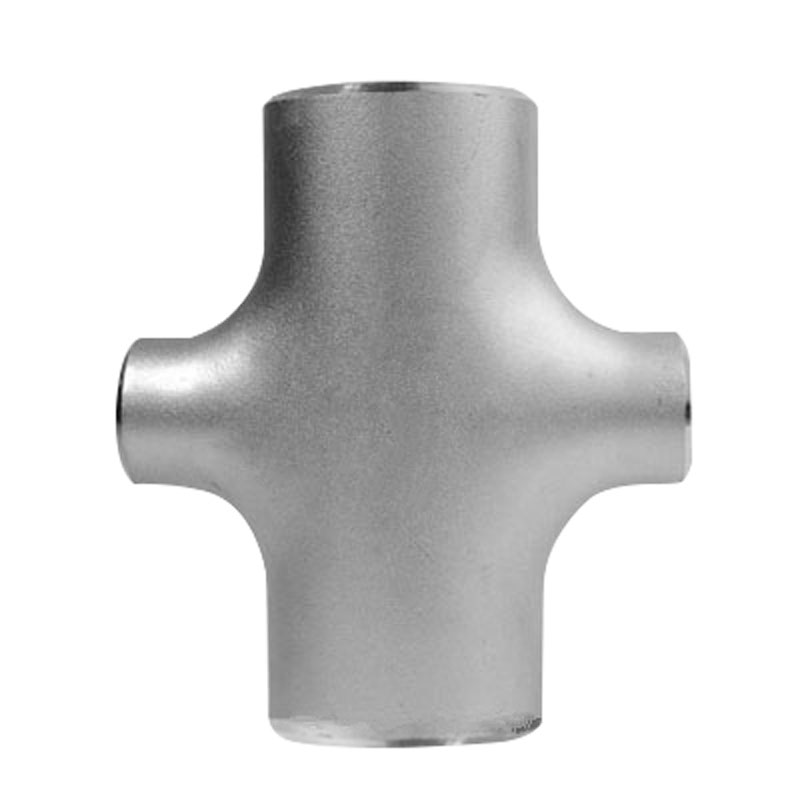
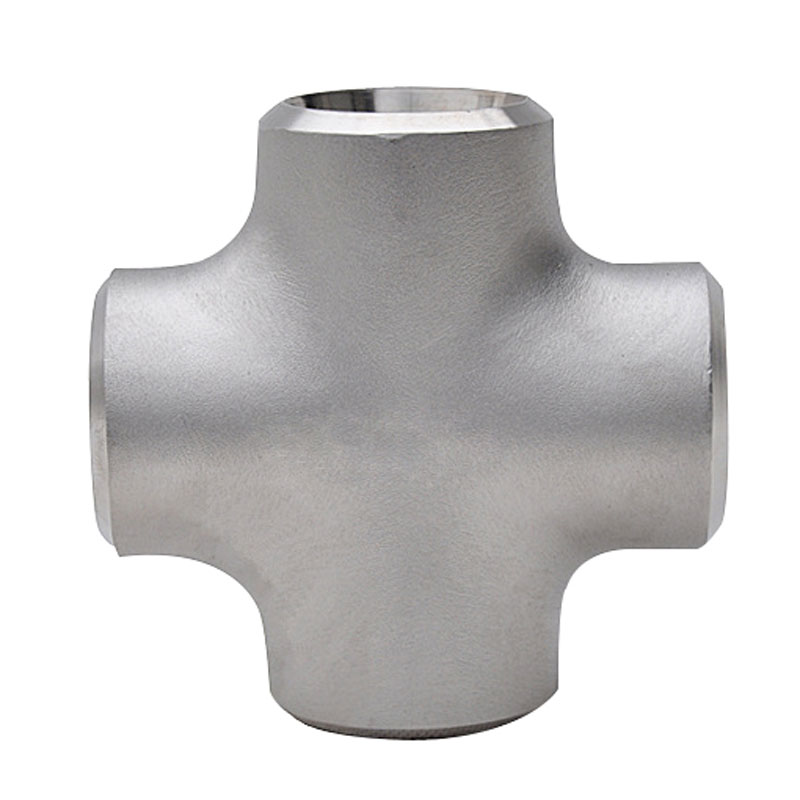
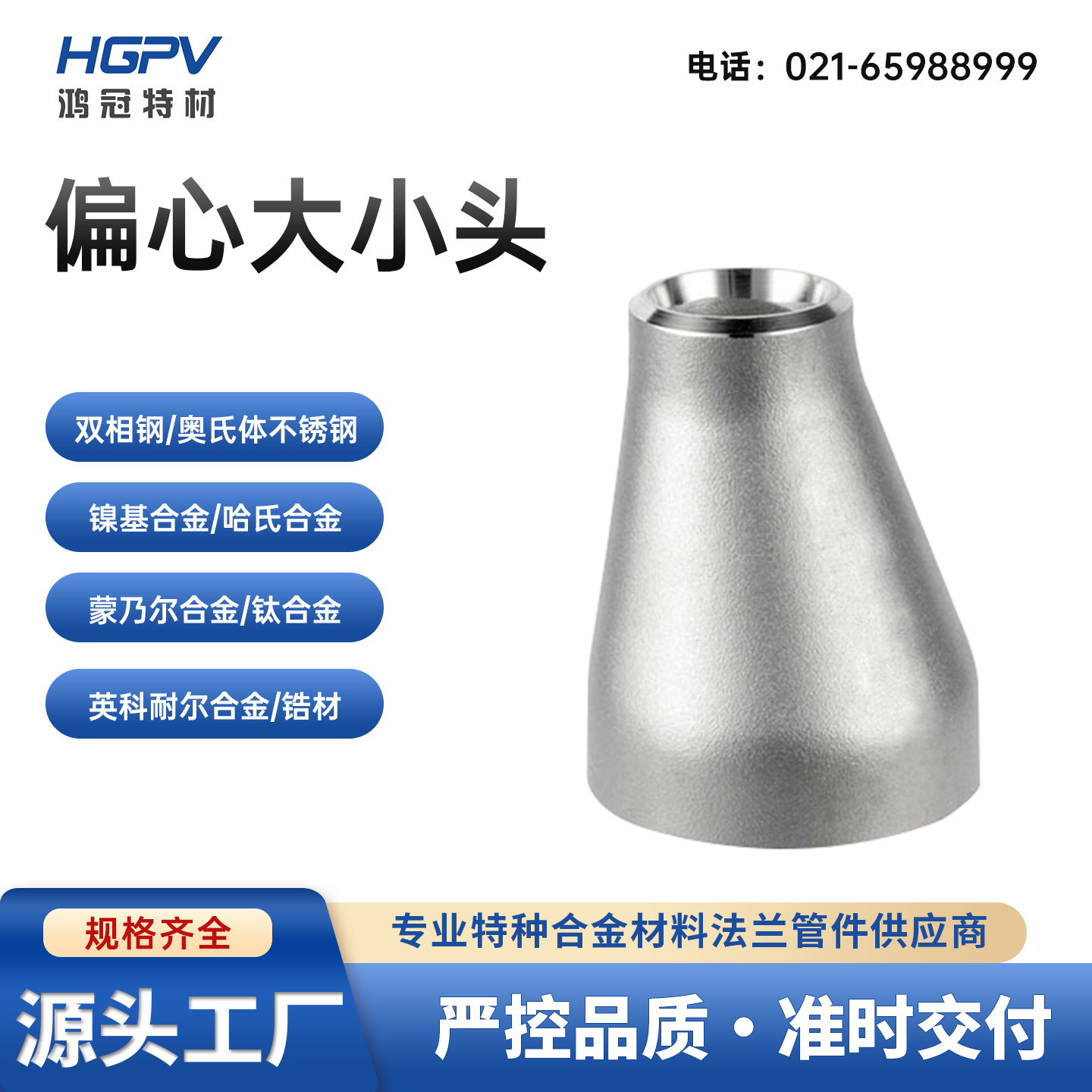
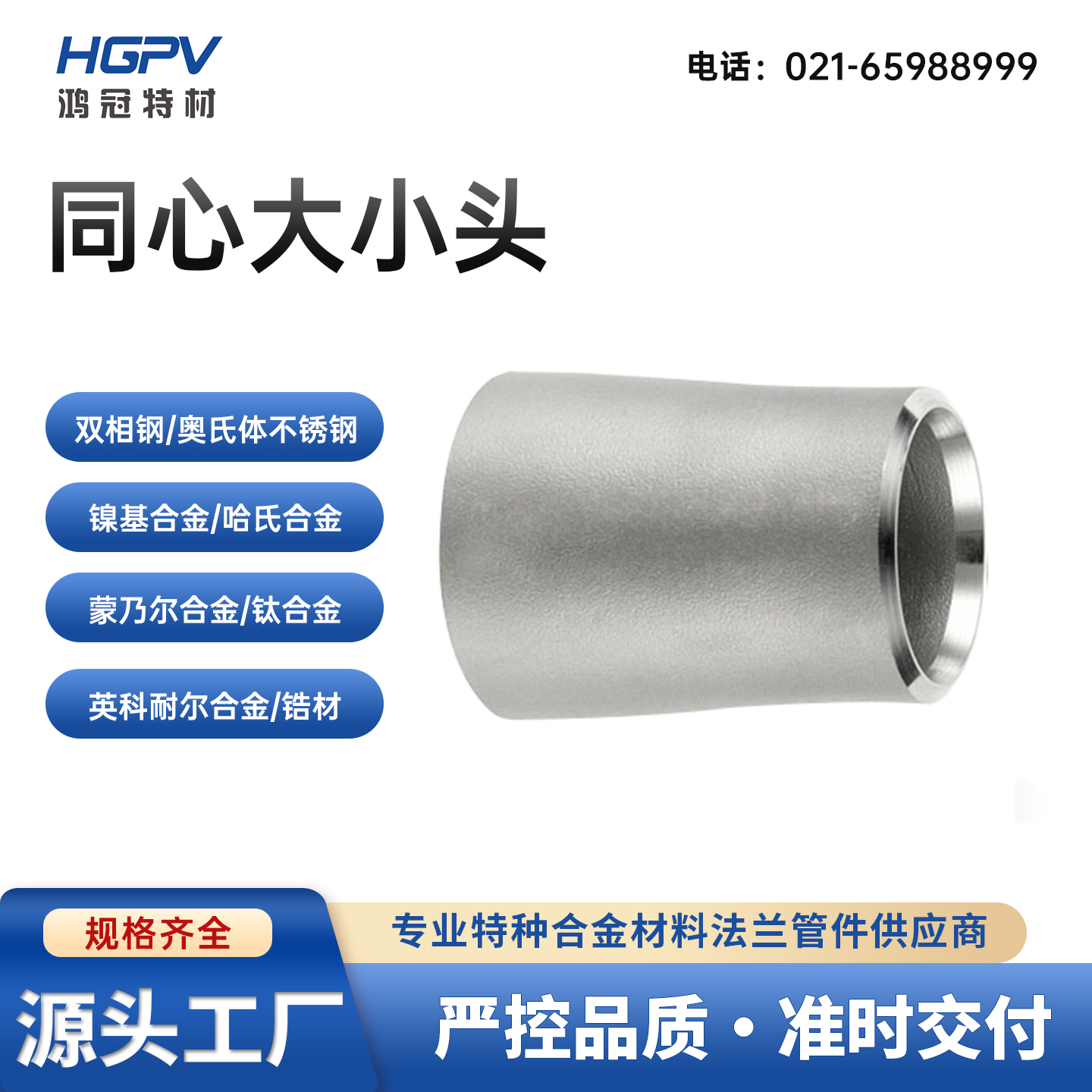
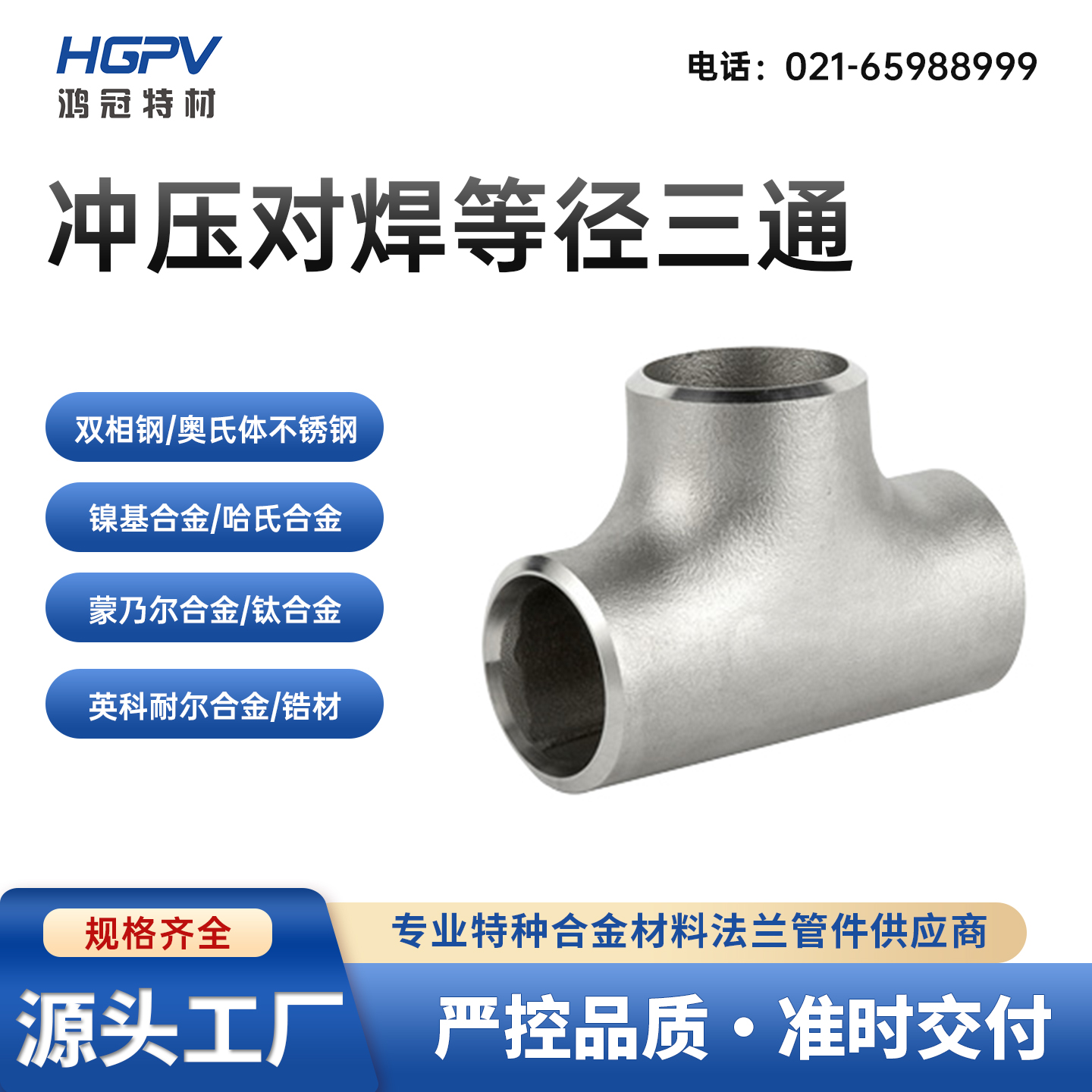
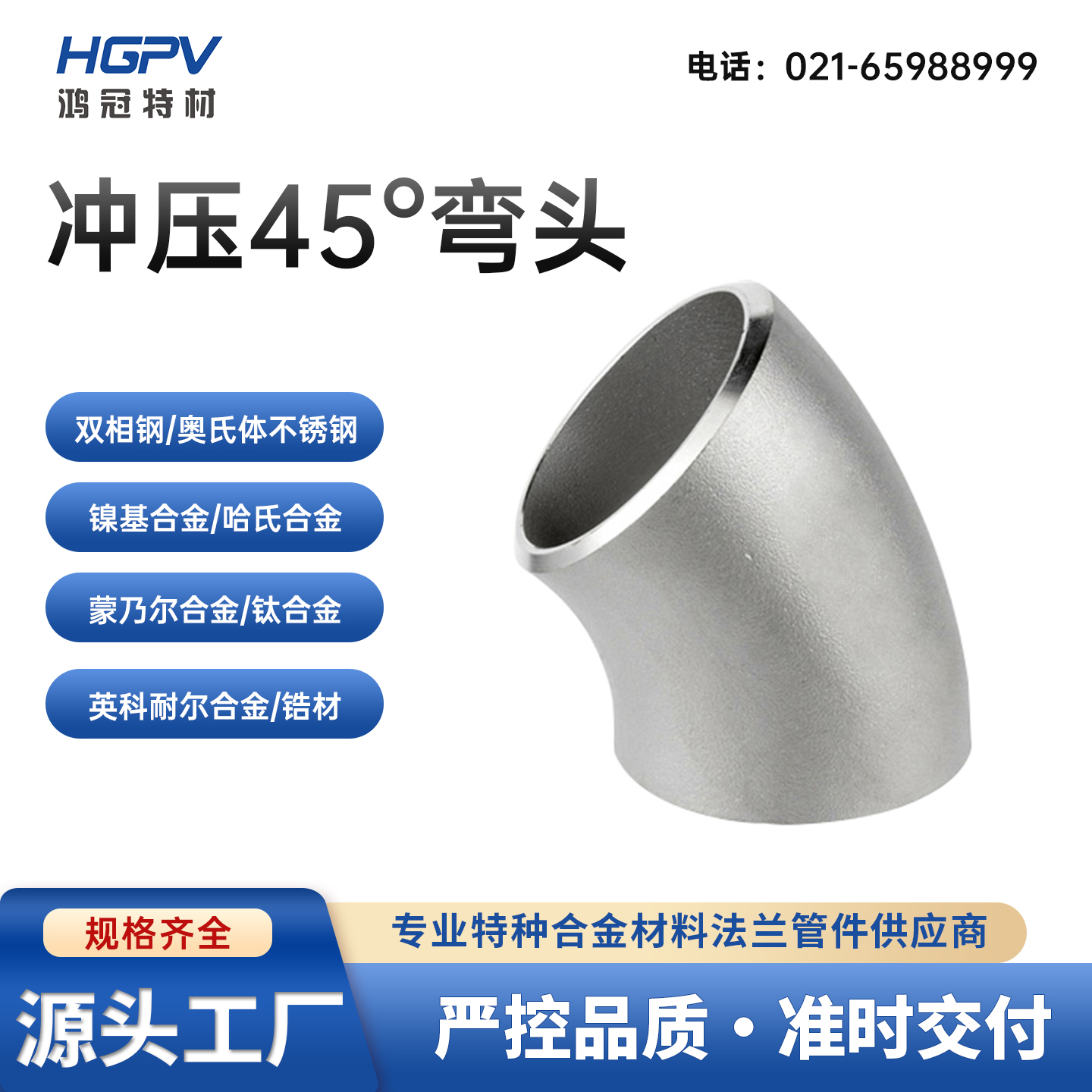
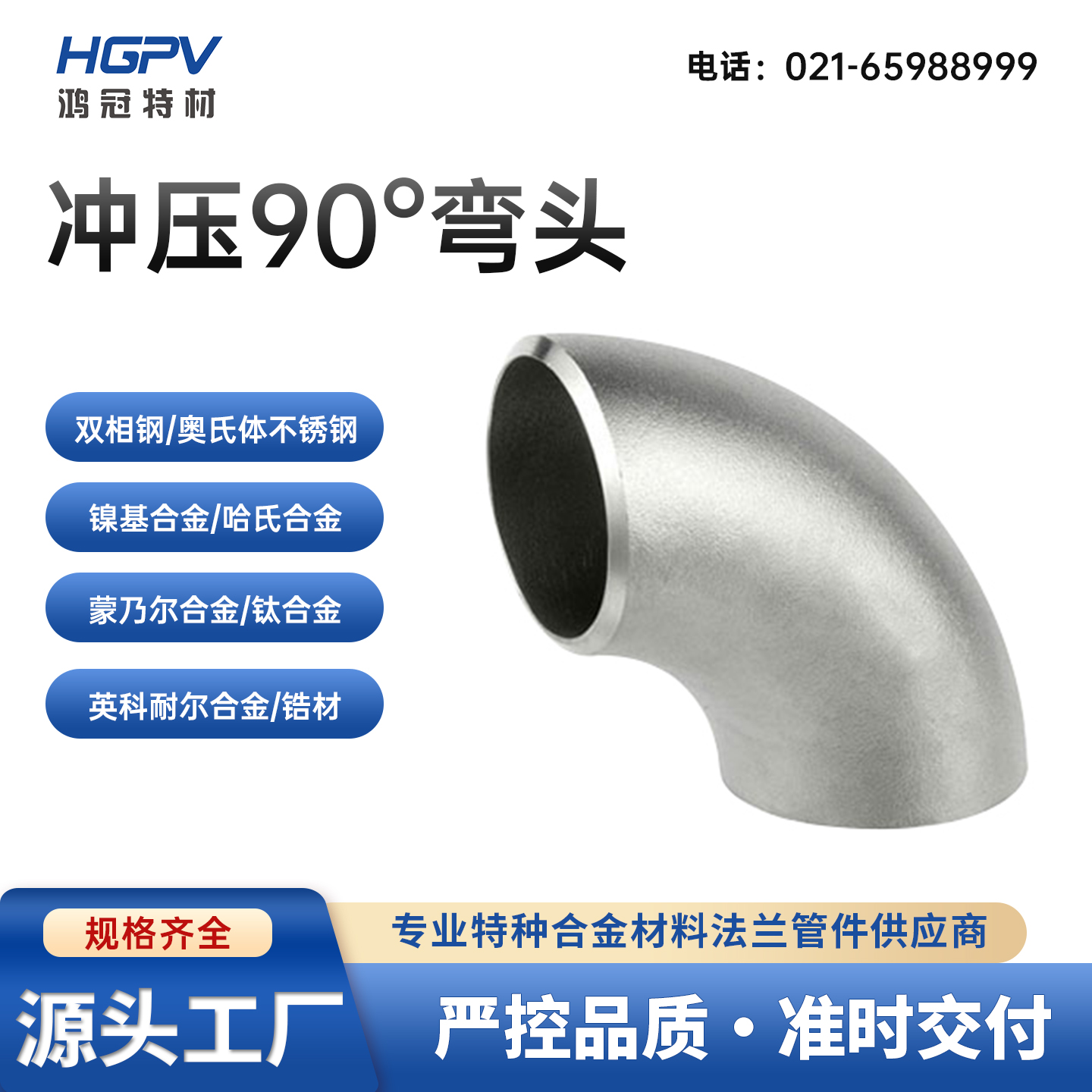
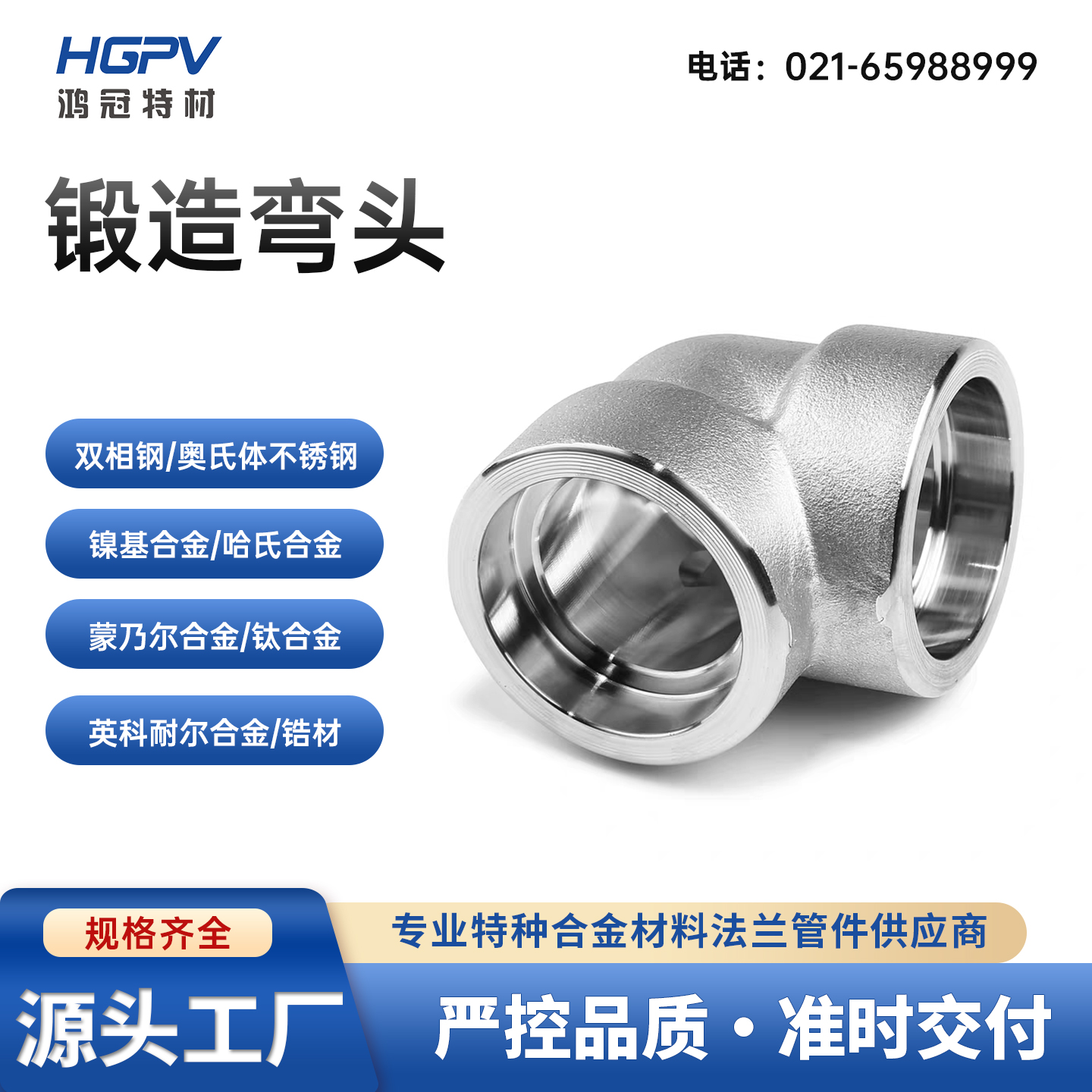
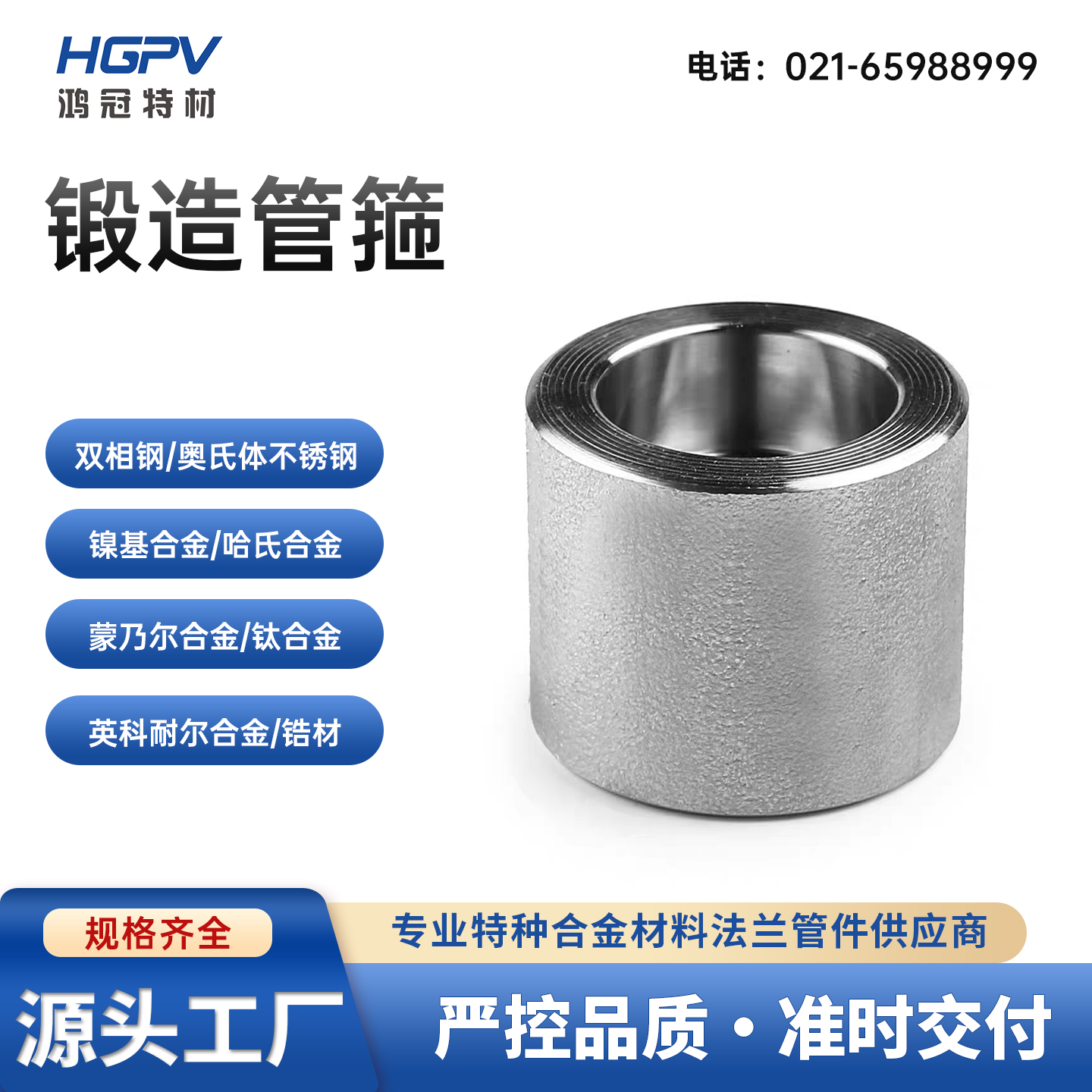
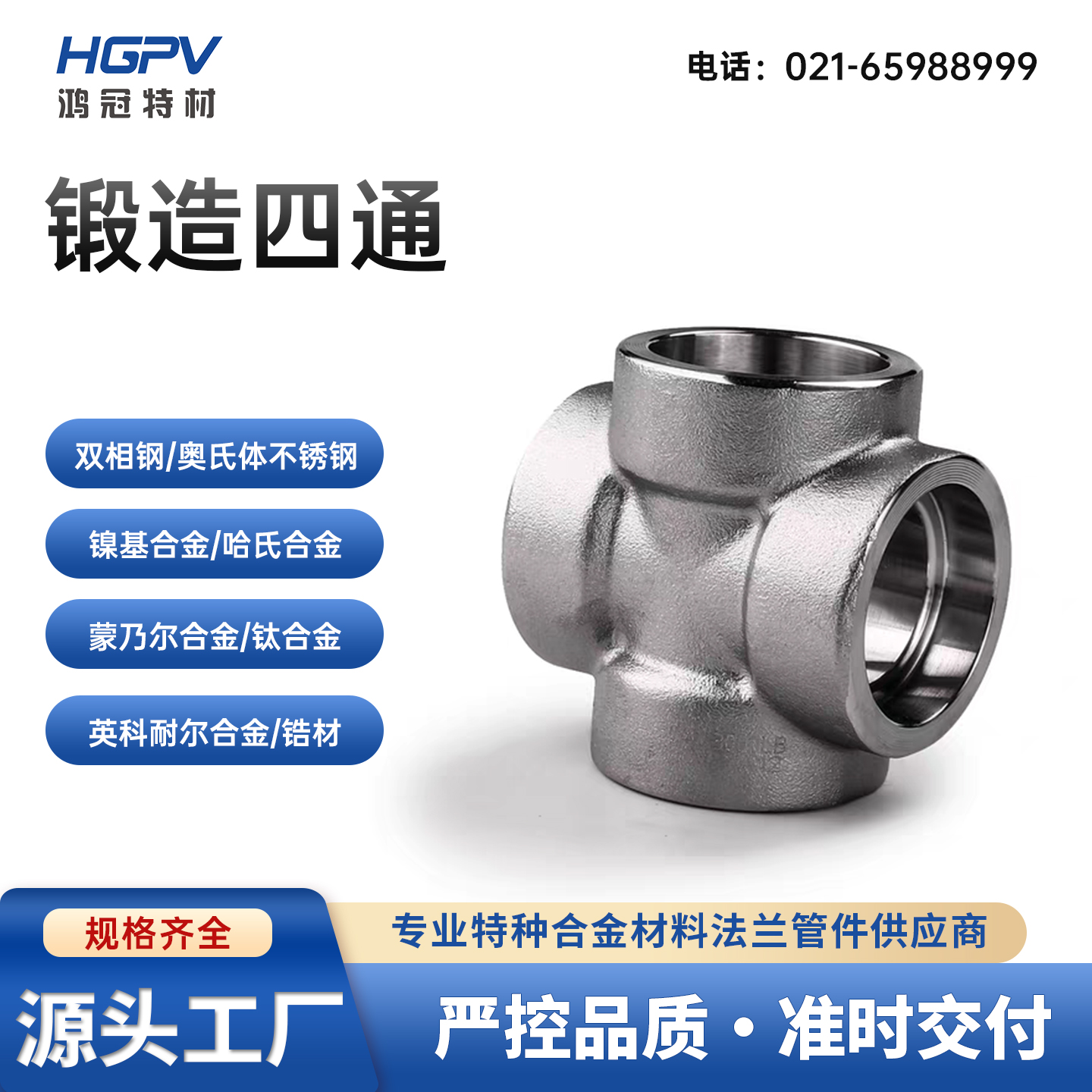
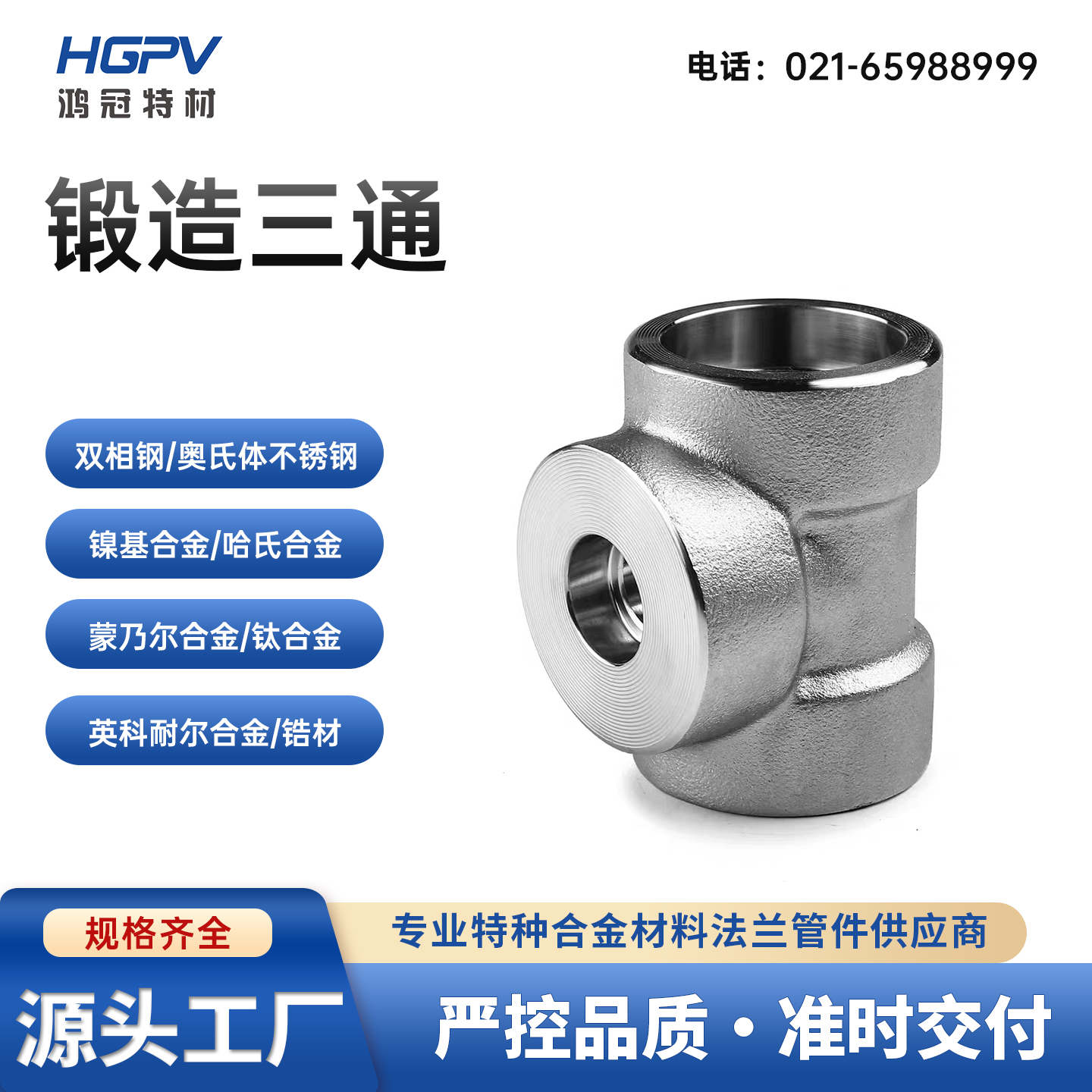
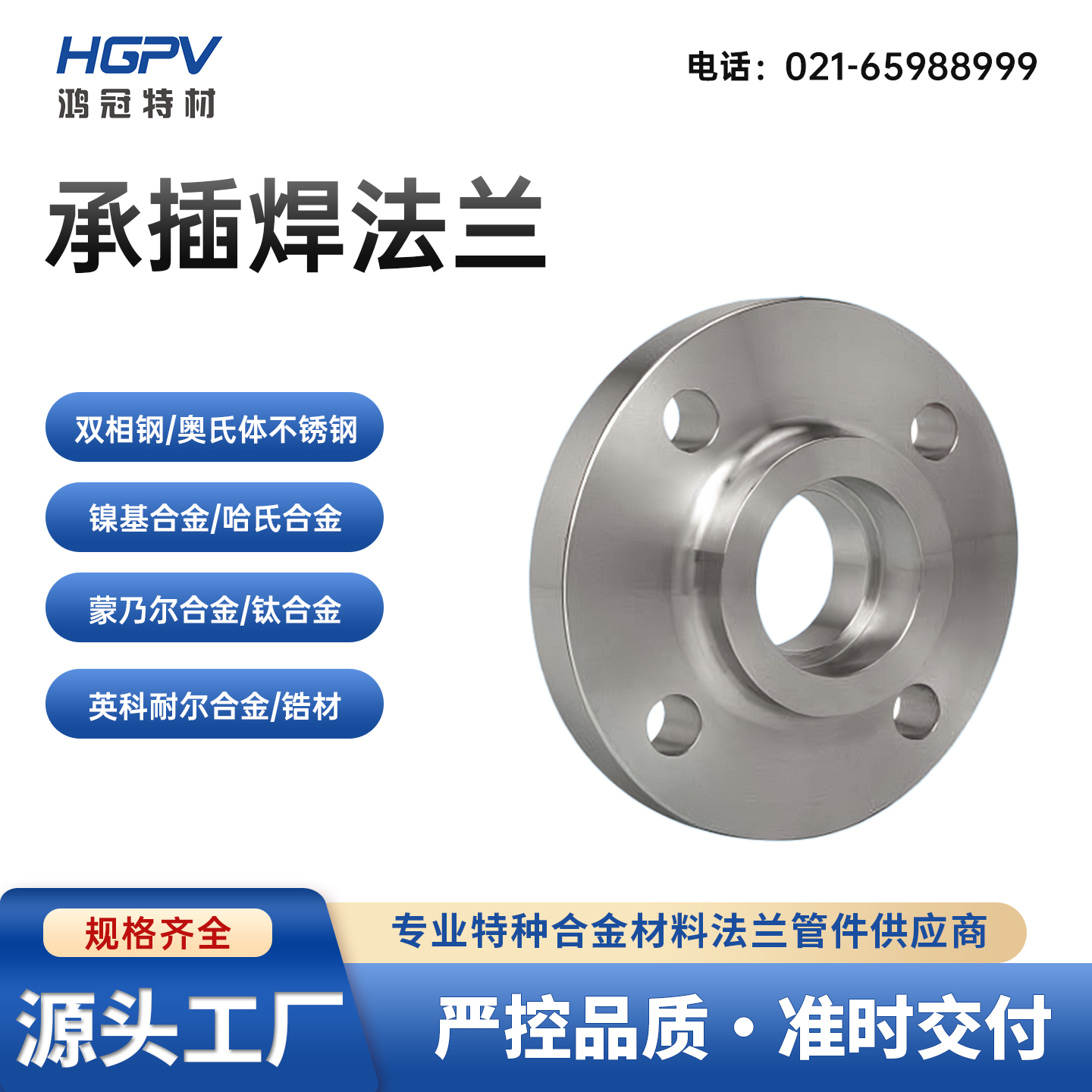
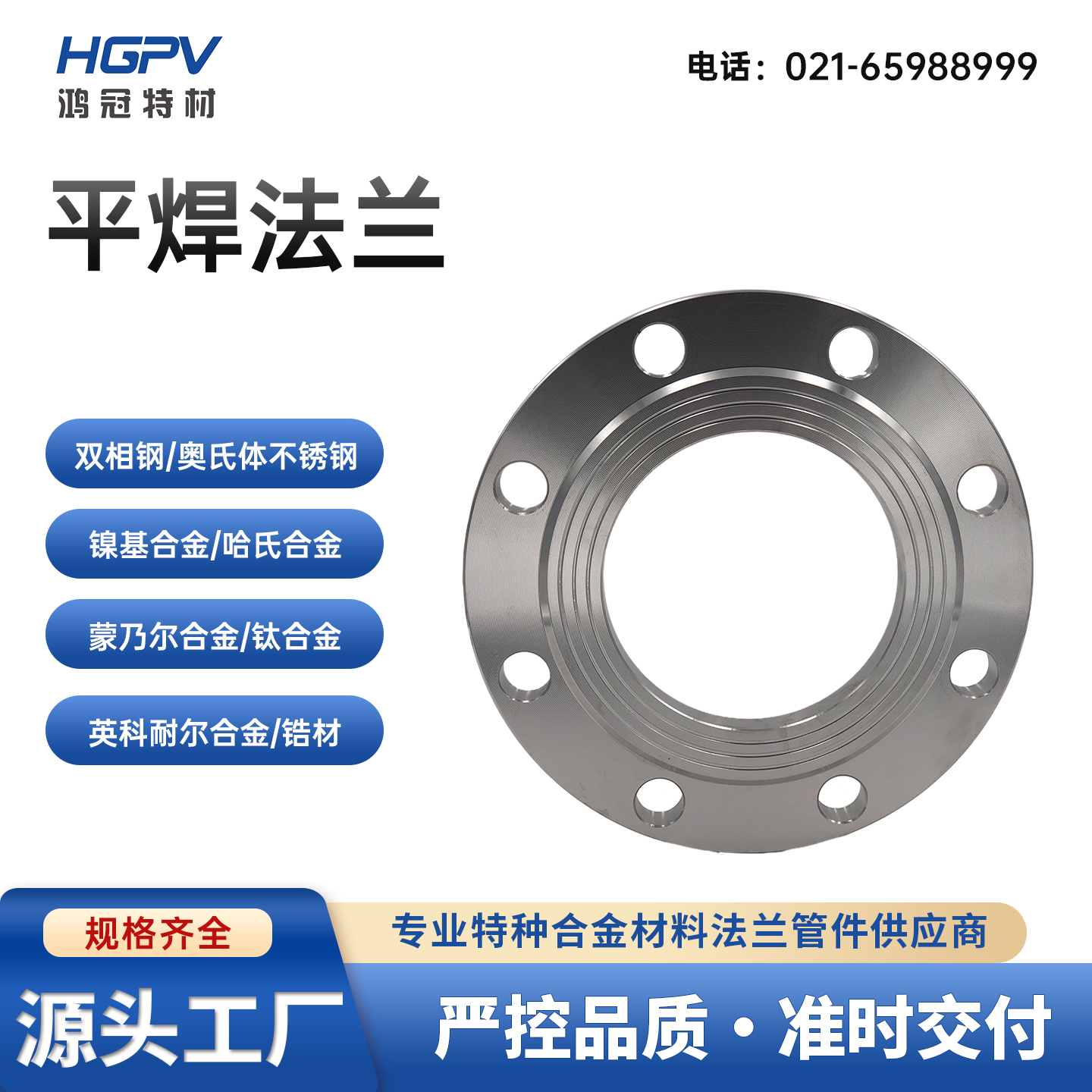
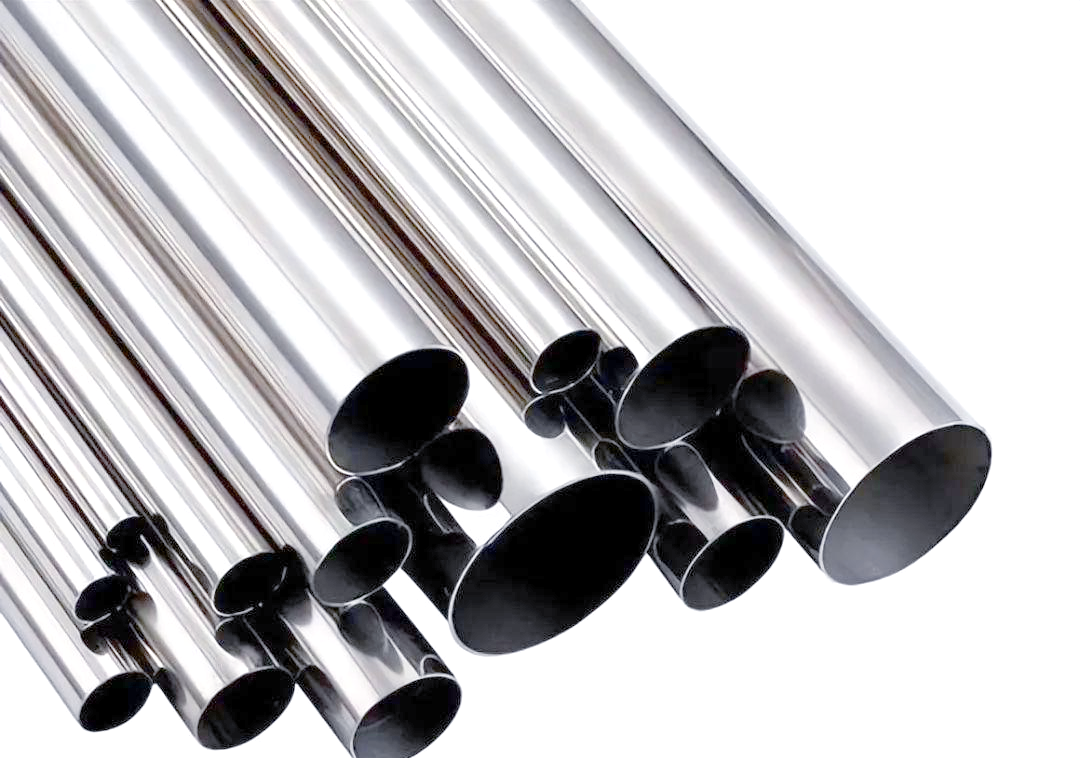
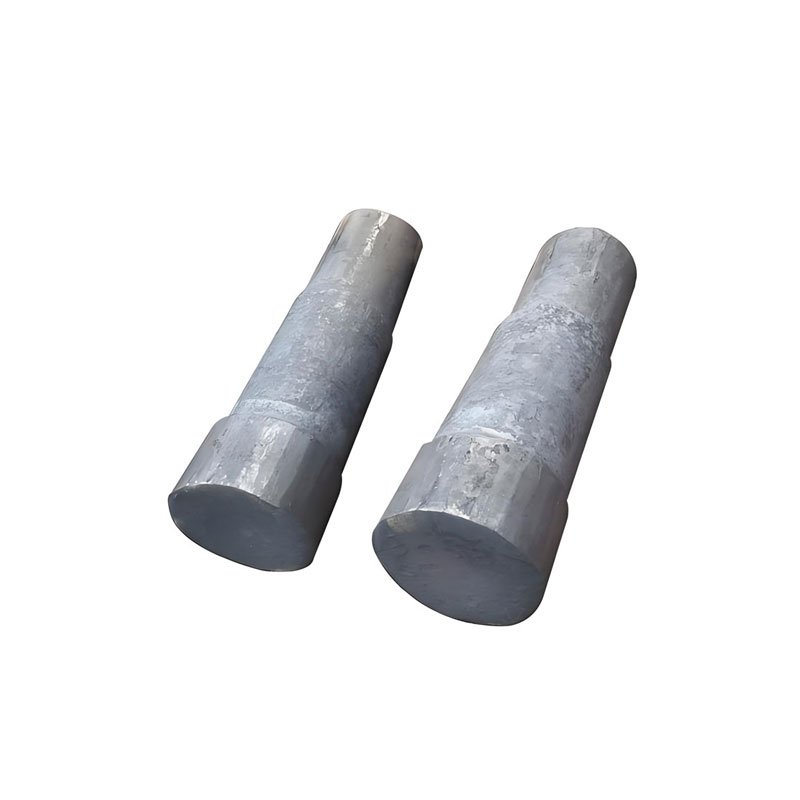
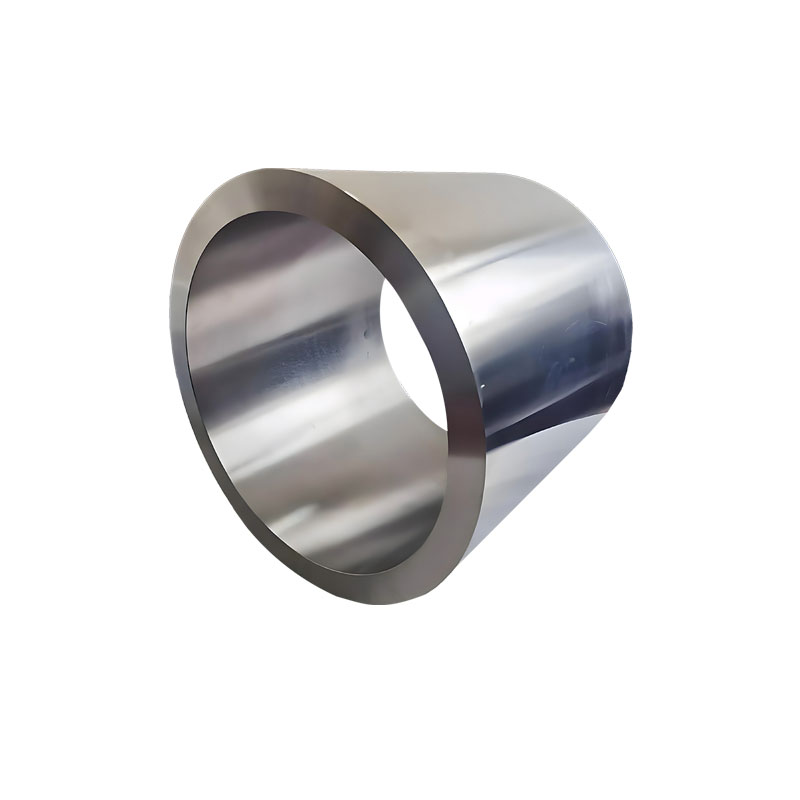
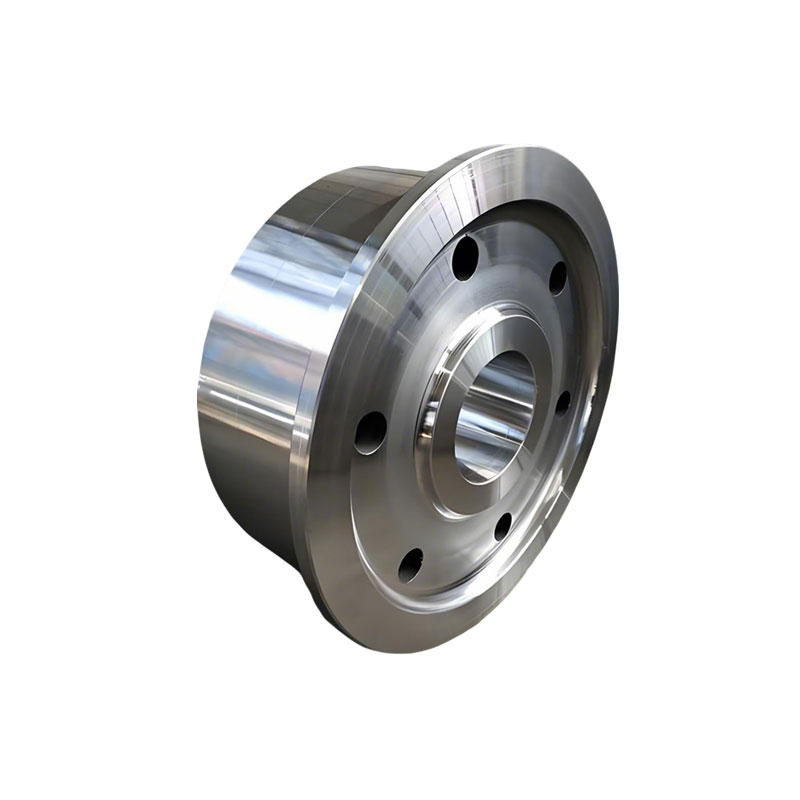
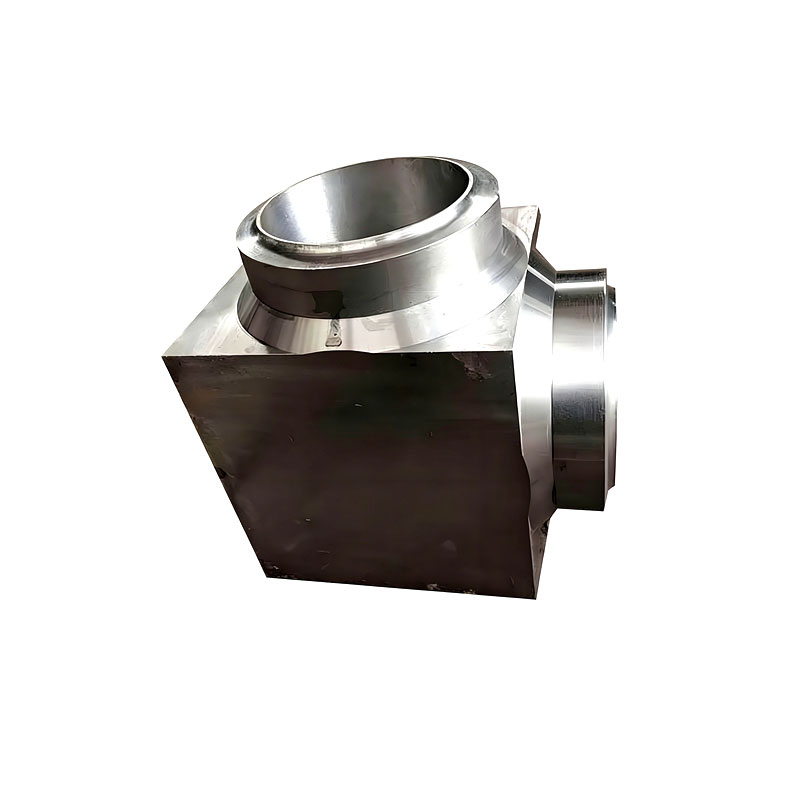
Stamping four-way connector is a type of pipeline four-way connector formed through stamping technology, used to achieve fluid diversion or convergence in four directions. It has the advantages of high structural strength, good sealing, and easy installation, and is widely used in building water supply and drainage, HVAC, fire protection systems, and industrial pipe networks.
1、 Product Features
One time stamping forming, no weld seam: using hydraulic bulging or hot pressing technology, the metal streamline is continuous, avoiding weak points in the weld seam, significantly improving the compressive and fatigue resistance performance.
High dimensional accuracy: The mold molding ensures that the outer diameter, end face parallelism, and center distance tolerance are controlled within ± 0.5mm, making it convenient for on-site butt welding connections.
Fluid distribution equilibrium: The cross symmetric structure (positive four-way) allows fluid to be evenly distributed to the remaining three ends after entering from any port, reducing local velocity differences and lowering system pressure drop.
There are various connection methods available: supporting butt welding, socket welding, threaded connection, and double compression connection, suitable for different pipe materials and construction scenarios.
High system integration: Compared to using multiple three-way combinations, a single four-way connector can reduce the number of connection points, lower the risk of leakage, and reduce installation time.
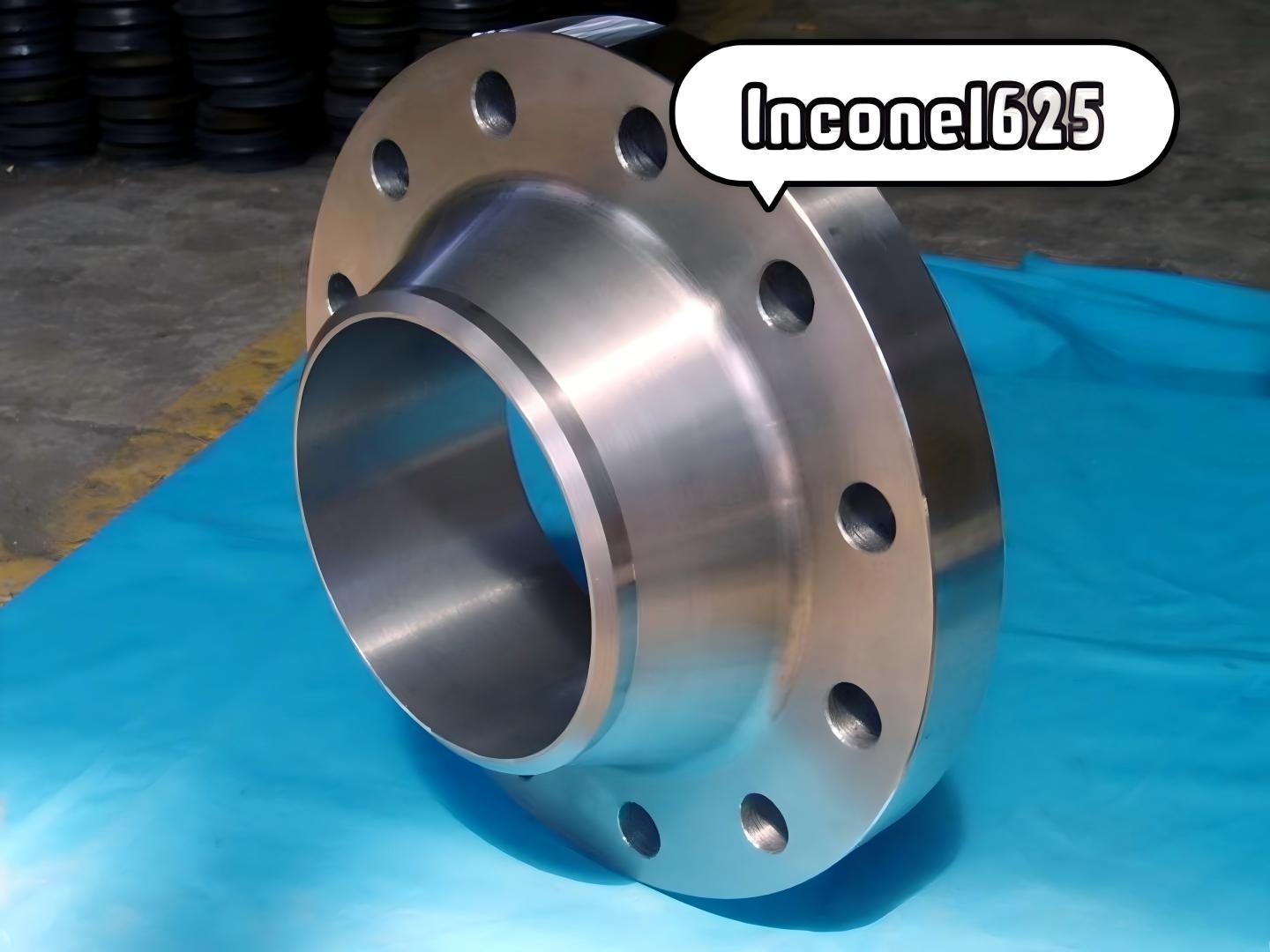
Material diversity and adaptability support customization of various materials, including carbon steel (Q235, 20 #), alloy steel, austenitic stainless steel, duplex steel, titanium alloy, Hastelloy, Monel, Inconel, and special metal customization.
Stainless steel stamped fittings have excellent corrosion resistance and are widely used in industries such as chemical, food, and pharmaceutical; Carbon steel pipe fittings are economical and practical, and are the preferred choice for municipal engineering and ordinary industrial pipelines; Alloy steel pipe fittings can meet the requirements of special working conditions such as high temperature and high pressure.
2、 Execution standards
national standard:
GB/T 12459-2017 "Steel butt welded seamless fittings"
GB/T 19228.2-2016 "Stainless steel compression fittings - Part 2: Connecting fittings" (applicable to double compression structures)
Industry standards:
SH/T 3408-2021 "Steel butt welded fittings for petrochemical industry"
HG/T 2136-2022 "Glass lined three-way and four-way"
International standards:
ASME B16.9 (American standard butt welded pipe fittings)
DIN 2617 (German standard four-way)
ISO 3419 (International General Specification for Welded Pipe Parts)
All products must undergo radiographic testing (RT), ultrasonic testing (UT), and 1.5 times the working pressure water pressure test to ensure safety and reliability.
3、 Size specifications
Nominal diameter DN | Supervisor outer diameter (mm) | Total length L (mm) | Single port height H (mm) | structural type |
DN15 | 21.3 / 18 | 38 | 19 | Equal diameter/reduced diameter |
DN25 | 33.7 / 32 | 52 | 26 | Equal diameter/reduced diameter |
DN50 | 60.3 / 57 | 80 | 40 | Equal diameter/reduced diameter |
DN100 | 114.3 / 108 | 156 | 78 | Equal diameter/reduced diameter |
DN150 | 168.3 / 159 | 229 | 114.5 | Equal diameter/reduced diameter |
Note: A series refers to ASME outer diameter (such as 60.3mm), while B series refers to national/European standard outer diameter (such as 57mm); H = L/2, Suitable for cross symmetric structures.
The reducing four-way can be marked with "DN main pipe x branch pipe", such as DN100 x 80, to achieve variable diameter connection.
4、 Pressure level
Nominal pressure range: PN1.0MPa~PN420MPa (Sch5s~XXS)
Common level correspondences:
Sch40: Suitable for PN1.6~2.5MPa, conventional buildings and HVAC systems
Sch80/XS: Suitable for PN4.0~10.0MPa, high-pressure steam and petroleum pipelines
XXS: Suitable for environments with PN above 10.0MPa or strong corrosion, such as nuclear power and deep-sea pipelines
Temperature resistance range:
Carbon steel: -20 ℃~+400 ℃
Stainless steel: -40 ℃~+600 ℃
Alloy steel: up to+650 ℃ (such as 15CrMo)
The actual selection should be based on the design pressure, temperature, and medium characteristics, and strength verification should be carried out according to ASME B31.3 or GB 50316 to ensure long-term stable operation of the system.