

-
 Back to top
 -
 021-65988999
 -
 QR code



News>
Detailed explanation of the composition, properties, grades, processes, and application advantages of wear-resistant steel (AR steel)
2026-07-16
Shanghai Hongguan Wear resistant Steel (also known as AR Steel) is an industrial special steel that specializes in super strong wear resistance, scratch resistance, and impact resistance. It is specially customized for equipment components with high friction and strong wear under harsh working conditions. Wear resistant steel is widely used in core industrial fields such as mining, construction machinery, machinery manufacturing, and agricultural equipment, and is an indispensable core material in harsh operating scenarios of heavy industry.
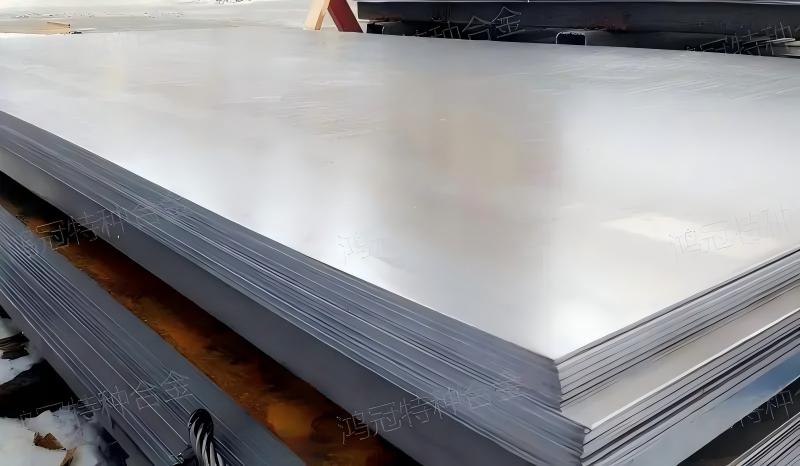
1、 Core components of wear-resistant steel
Wear resistant steel is based on pure iron as the base material, and various alloy elements such as carbon, manganese, silicon, and chromium are added through scientific proportions to accurately improve the wear resistance, toughness, and structural strength of the steel. There are slight differences in the proportion of wear-resistant steel alloys of different grades, but the core component system is basically the same, which can be adapted to various light and heavy wear conditions. The specific functions of each core component of wear-resistant steel are as follows:
1. Iron (Fe)As the base metal, it provides basic structural support and overall strength for steel, and is the core substrate of wear-resistant steel.
2. Carbon (C)The content range is 0.12% -0.50%. The higher the carbon content, the stronger the hardness and wear resistance of the steel, but it will slightly affect the ductility of the steel and is the core element for regulating the hardness of wear-resistant steel.
3. Manganese (Mn)The content is between 0.6% and 1.65%, mainly used to improve the strength and hardness of steel, while significantly optimizing wear resistance and adapting to heavy-duty wear conditions.
4. Silicon (Si)It can effectively improve the strength and hardness of steel, while also playing a role in deoxidation during the steel smelting process, optimizing the quality of steel smelting.
5. Chromium (Cr)The maximum addition amount for conventional applications can reach 1%, which can simultaneously improve the hardness, wear resistance, and corrosion resistance of steel, and enhance the adaptability of steel to complex working conditions.
6. Nickel (Ni)Adding ≤ 1% can significantly enhance the hardness and impact strength of steel, and improve its impact resistance and fracture resistance.
7. Molybdenum (Mo)According to the required ratio of wear-resistant steel grades, the hardness, high-temperature strength, and corrosion resistance of the steel can be improved, and it is suitable for dual harsh working conditions of high temperature and wear.
8. Boron (B)Belonging to trace alloying elements, it can be added as needed to enhance the hardenability and structural strength of steel, and optimize the overall mechanical properties of steel.
2、 Core performance characteristics of wear-resistant steel
Relying on scientific alloy composition ratios and precise heat treatment processes, wear-resistant steel has multiple excellent properties such as high hardness, high toughness, wear resistance, and high strength. It can perfectly adapt to various complex and harsh industrial working conditions, and its comprehensive performance far exceeds ordinary steel. The core performance advantages are as follows:
1. High hardnessBy combining special chemical components with heat treatment processes, the Brinell hardness generally reaches 300-600HBW or higher, which is much better than ordinary steel and is the core foundation of wear resistance.
2. High resilienceIt belongs to high hardness wear-resistant steel while retaining excellent toughness. When the equipment operates under impact and vibration, it is not easy to crack or fracture, and the structural stability is extremely strong.
3. Super abrasion resistanceThe core characteristic performance of wear-resistant steel is that a hard protective layer can be formed on the surface of the steel, which can effectively resist material friction, scratching, and erosion, avoiding material loss caused by long-term operation, and has excellent durability.
4. High structural strengthCombining high hardness and toughness, with excellent overall strength indicators, it can withstand heavy loads and high-strength mechanical loads for a long time, and is suitable for the operation needs of heavy equipment.
5. Good weldabilityMost wear-resistant steel grades have good welding performance and can meet the welding needs of equipment component processing, wear parts repair, and other welding operations. The specific adaptability is adjusted according to the steel grade and composition.
3、 Classification of common wear-resistant steel grades
Wear resistant steel on the market is divided into various mainstream grades based on hardness level, wear resistance performance, and composition ratio. Different grades of wear-resistant steel have significant differences in adaptability to working conditions and usage scenarios, and can accurately match the wear and impact operation needs of different strengths. The four most commonly used wear-resistant steel grades are as follows:
1. AR200 wear-resistant steelBelonging to medium wear resistance grade steel, suitable for medium wear and medium impact working conditions, with stable basic wear resistance performance, suitable for conventional light to moderate wear equipment components.
2. AR400 wear-resistant steelThe hardness and wear resistance have been greatly improved, and the wear resistance is excellent. It is a commonly used core material for mining, construction, and material handling equipment, suitable for medium to heavy wear conditions.
3. AR500 wear-resistant steelThe mainstream high-end wear-resistant steel grades on the market have excellent toughness and wear resistance, strong comprehensive mechanical properties, and are mostly used in high-intensity working scenarios such as heavy machinery components, armored vehicles, and shooting targets.
4. AR600 wear-resistant steelThe highest hardness grade among existing wear-resistant steels, with top-notch wear resistance and durability performance, specially adapted for high-strength and extremely harsh friction and wear conditions.
4、 Manufacturing process of wear-resistant steel
The excellent performance of wear-resistant steel cannot be achieved without standardized and refined professional manufacturing processes. From alloy ratio, heat treatment to forming processing, each process determines the hardness, wear resistance, and service life of wear-resistant steel. The core manufacturing process is divided into four major stages:
1. Alloying treatmentAccurately proportioning alloy elements such as carbon, manganese, chromium, nickel, etc., optimizing the basic hardness, toughness, and wear resistance of steel, laying the foundation for the core performance of steel.
2. Heat treatment processAfter the steel is formed, professional heat treatment processes such as quenching and tempering are used to accurately control the hardness and various mechanical properties of the steel, achieving the standard performance parameters of various grades.
3. Surface hardening treatmentSome high-end grades of wear-resistant steel will undergo additional surface strengthening treatments such as induction hardening and flame quenching to further enhance surface hardness and wear resistance, and extend service life.
4. Rolling forming processingAccording to actual application needs, steel is rolled and processed into various specifications and forms such as plates, sheets, bars, pipes, etc., to adapt to the processing and assembly requirements of different equipment.
5、 Main application areas of wear-resistant steel
With core advantages such as wear resistance, impact resistance, high strength, resistance to fracture, and long service life, wear-resistant steel breaks through the performance limitations of ordinary steel and is widely used in various industrial fields, adapting to various high wear and heavy load equipment scenarios. The core application areas are as follows:
1. Mining equipmentUsed for core components such as dump trucks, excavator buckets, crushers, etc., it can resist wear caused by long-term friction and erosion of rocks and ores.
2. Construction MachineryKey wear-resistant components of construction machinery such as bulldozers, loaders, and excavators, suitable for harsh environments such as outdoor exposure, sand and gravel friction, and high-intensity operations.
3. Material handling equipmentWidely used in conveying systems, hoppers, chutes, wear-resistant lining plates and other components, effectively reducing wear during material conveying and extending equipment service life.
4. Agricultural MachineryThe core wear-resistant components of agricultural equipment such as plows, cultivators, and harvesters can resist long-term friction and wear from soil, rocks, and crop residues.
5. Transportation and automotive fieldUsed for equipment such as truck carriages, trailers, and railway freight cars, capable of withstanding continuous wear and impact during cargo loading and transportation.
6. Industrial processing fieldWidely adaptable to industrial production line equipment such as cement manufacturing, solid waste recycling, pulp and paper making, ensuring long-term stable operation of the production line.
6、 Core advantages of wear-resistant steel
1. Longer service lifeCompared to ordinary steel, wear-resistant steel has stronger resistance to wear and impact, significantly extending the service life of equipment components and effectively reducing the frequency of equipment replacement.
2. Stable equipment performanceThe high wear resistance characteristics can ensure the continuous and stable operation of the equipment under high wear conditions, without performance degradation due to component wear, stabilizing production efficiency and operational quality.
3. Lower overall costAlthough the initial procurement cost of wear-resistant steel is higher than that of ordinary steel, its long service life, extremely low probability of failure, and maintenance requirements significantly reduce later operation and maintenance costs and equipment downtime losses, making it highly cost-effective in the long run.
4. Strong universality and adaptabilityThrough customized processing and molding, it can adapt to different equipment and working conditions in various industries, with flexible and diverse application scenarios.
5. Lightweight structural designOn the premise of ensuring high strength and wear resistance, lightweight design of equipment components can be achieved to meet the weight reduction needs of fields such as automobiles and high-end machinery, and optimize equipment operating performance.
In summary, wear-resistant steel (AR steel) is a core special wear-resistant material in the heavy industry field. With its ultra-high hardness, excellent toughness, super wear resistance, and stable structural strength, wear-resistant steel completely solves the pain points of ordinary steel such as easy wear, easy fracture, short service life, and high operation and maintenance costs. It is widely used in multiple industries such as mining, construction, agriculture, transportation, and industrial processing. Choosing high-quality wear-resistant steel can effectively improve the stability of mechanical equipment operation, extend equipment service life, and reduce long-term operation and maintenance costs. It is a core material with extremely high cost-effectiveness under harsh industrial conditions.
Related Recommendations
Contact Us
Contact

Copyright 2025 Shanghai Hongguan Stainless Steel Products Co., Ltd. All rights reserved
Shanghai ICP No. 2025137905-1
sitemap
Friendship Links link
Shanghai Hongguan Stainless Steel Products Co., Ltd
-
 Sales hotline: 021-65988999 65958588
 -
 Email: hongguansteel@163.com
 -
 Company Address: No. 3, Building 11, 6686 Songze Avenue, Qingpu District, Shanghai


